
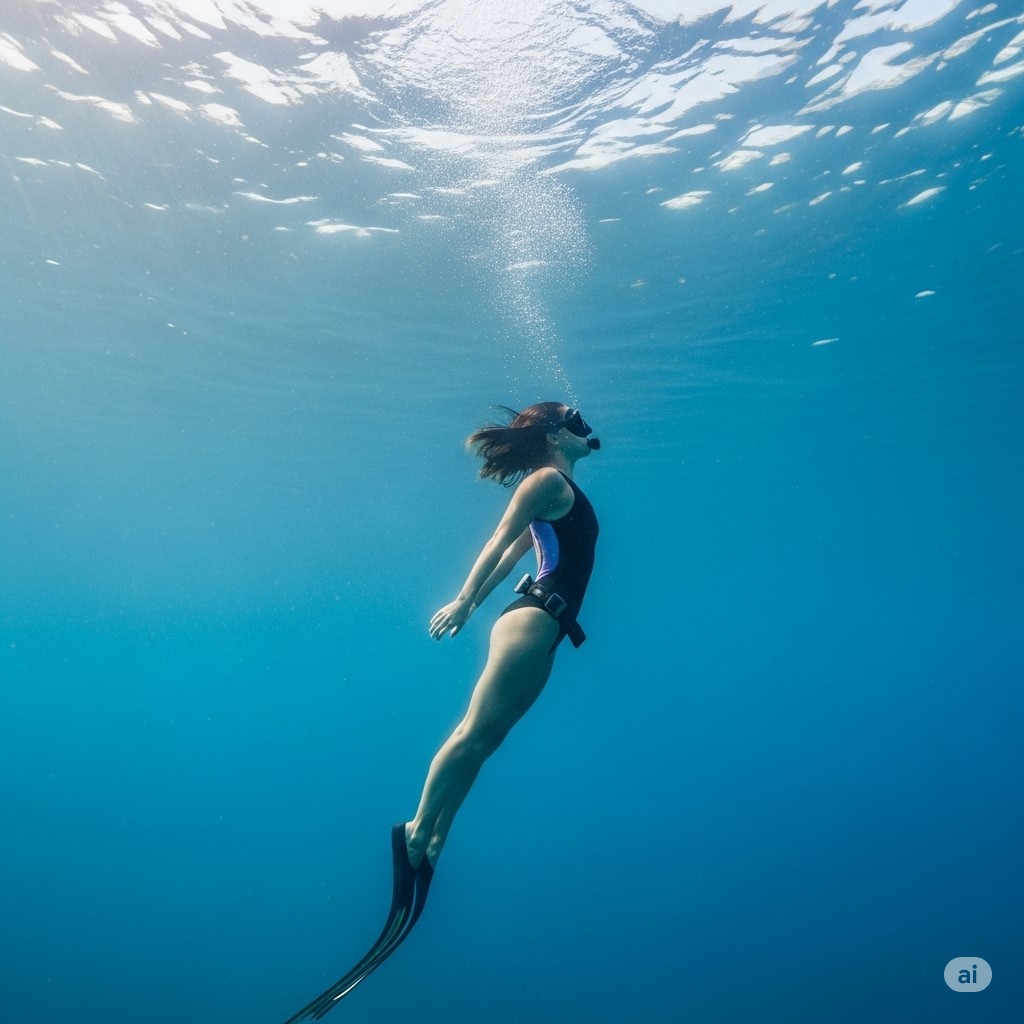
Freediving: Exploring the Depths of One of the World’s Most Unique Sports
Freediving is a captivating sport that combines physical endurance, mental control, and a deep connection with nature. Unlike scuba diving, freediving relies solely on a diver’s ability to hold their breath while exploring underwater. This ancient practice has transformed into a modern sport with a rich history and a growing global presence. In this blog post, we will dive into the origins, growth, rules, social impact, and global reach of freediving.
The Origins and History of Freediving
Freediving traces its roots back thousands of years. Ancient civilizations used breath-hold diving for practical purposes long before it became a sport. Greek sponge divers and Japanese Ama pearl divers exemplify the early human relationship with underwater exploration. These cultures relied on breath-hold techniques for fishing, gathering, and trade.
The Greek legend of Scyllias and his daughter Hydna, who reportedly used freediving to sabotage enemy ships, showcases its use in warfare. In Japan, the Ama divers have practiced this form of diving for over 2,000 years. These women dive without tanks to harvest seafood and pearls, passing down their skills through generations.
In modern times, freediving gained popularity in the mid-20th century. Divers such as Jacques Mayol and Enzo Maiorca helped bring international attention to the sport. Mayol, in particular, combined science and spirituality to redefine what humans could achieve underwater. His story inspired the film “The Big Blue,” which helped introduce freediving to a wider audience.
The development of international organizations and safety standards further legitimized the sport. The founding of AIDA International (Association Internationale pour le Développement de l’Apnée) in 1992 marked a key milestone. AIDA created competition rules and safety protocols that shaped the modern sport.
Global Popularity and Practice of Freediving
Freediving is practiced on every continent except Antarctica. It has gained popularity in countries with access to warm oceans and clear waters. Destinations such as the Bahamas, Egypt, the Philippines, and Greece have become hubs for the sport. These locations offer ideal conditions, including visibility, depth, and marine life.
In Europe, nations like France and Italy have long-standing freediving communities. They have produced many world-class athletes and host regular competitions. In Asia, countries like Japan and Thailand are known for their vibrant freediving cultures. Meanwhile, Australia offers one of the most biodiverse marine environments for freedivers.
The United States has seen steady growth in freediving over the past decade. Florida and Hawaii are the main centers of activity. In South America, Colombia and Brazil are emerging as exciting destinations, while Africa offers unique diving spots in Egypt and South Africa.
Freediving appeals to a broad range of individuals. Tourists often take introductory courses in tropical destinations. Others pursue it for personal challenge or meditation. The accessibility of the sport—requiring minimal equipment—also contributes to its growth.
Amateur Freediving and Youth Involvement
Amateur freediving is expanding through community-based programs, clubs, and educational initiatives. Many people begin with recreational snorkeling and transition into breath-hold diving. Local diving schools offer basic training, which focuses on safety, breath control, and underwater techniques.
Youth programs are increasingly popular. Organizations like PADI and SSI offer junior freediver certifications. These programs teach young enthusiasts to dive safely and responsibly. Some schools, especially in coastal areas, integrate freediving into their physical education or marine science curricula.
Clubs and community groups often organize group dives, workshops, and competitions. This fosters a supportive environment where beginners can learn from experienced divers. As freediving grows, so does the focus on inclusivity and accessibility.
Social media also plays a key role. Platforms like Instagram and YouTube host thousands of videos that inspire newcomers. These channels help educate and build community. Many professional athletes share tips and promote ocean conservation, further engaging young audiences.
Professional Leagues and Competitive Freediving
Freediving has evolved into a structured competitive sport. It includes various disciplines that test depth, time, and distance. Competitions follow strict safety rules and are overseen by official organizations.
The main governing body is AIDA International. It organizes world championships and certifies records. Another major organization is CMAS (World Underwater Federation), which also sanctions international competitions. Both groups have helped standardize the sport.
Competitive freediving includes disciplines like:
- Constant Weight (CWT): Divers descend and ascend with fins, using a weighted sled.
- Free Immersion (FIM): Divers pull themselves along a rope without fins.
- Static Apnea (STA): Athletes hold their breath underwater without moving.
- Dynamic Apnea (DYN): Divers swim horizontally underwater for maximum distance.
- No Limits (NLT): Divers use a sled to descend and an airbag to ascend—used primarily for record attempts.
Top athletes from around the world compete in these categories. Countries like Russia, France, and the Czech Republic have produced record holders. International competitions are held annually in locations like the Bahamas (Vertical Blue), Greece, and Egypt.
These events draw spectators, media coverage, and sponsors. They provide a platform for showcasing athleticism and pushing human boundaries. Judges, safety divers, and medical teams ensure each dive meets the sport’s high safety standards.
The Rules and Structure of Freediving
Freediving competitions are governed by detailed rules. Athletes must comply with standards for equipment, technique, and surface protocols. Events typically begin with a declaration of target depth or distance.
Safety is the top priority. Divers must complete a surface protocol after resurfacing. This includes removing facial equipment, giving an OK sign, and stating “I am OK.” Failing to do so within a set time results in disqualification.
Each diver is monitored by safety personnel, who track their progress and intervene if necessary. Competitions use depth lines, dive computers, and video review to ensure accuracy and fairness.
In static apnea events, athletes are monitored by timekeepers and surface coaches. In dynamic events, pool length and technique are closely watched. Dives are judged based on performance, adherence to rules, and recovery.
Disqualification can result from early turns, blackouts, or protocol failures. Despite the risks, adherence to safety protocols has improved dramatically. This has made the sport more appealing and trustworthy to the public.
Freediving’s Social and Political Impact
Beyond competition, freediving carries deep social and political significance. The sport encourages environmental awareness and ocean conservation. Many freedivers become ambassadors for marine protection.
Organizations like Project AWARE and Sea Shepherd collaborate with freediving communities. They organize reef cleanups, awareness campaigns, and education programs. By highlighting the beauty and fragility of underwater ecosystems, the sport fosters environmental responsibility.
Freediving also promotes mental health and wellness. Its meditative aspects help reduce stress and improve focus. Athletes often report increased self-awareness and emotional control.
Socially, freediving breaks barriers. It welcomes individuals of all ages, backgrounds, and body types. Many practitioners emphasize community, inclusivity, and respect for nature.
Politically, the sport raises awareness about climate change and pollution. Freedivers witness the effects of warming oceans, dying reefs, and plastic waste. Their firsthand experiences often inspire activism and policy engagement.
In coastal regions, freediving can support local economies. Tourism centered around diving creates jobs and promotes sustainable practices. Eco-resorts, dive schools, and marine parks benefit from responsible visitors.
In some cultures, traditional freediving holds cultural significance. Communities strive to preserve these traditions while adapting to modern sport. Respecting these practices is vital to maintaining cultural heritage.
Conclusion: The Future of Freediving
Freediving is more than a sport—it is a journey of self-discovery, discipline, and connection to the ocean. Its history stretches from ancient civilizations to modern competitions. Its growth spans continents, generations, and cultures.
As awareness of environmental issues grows, freediving serves as a powerful reminder of our bond with nature. The sport continues to evolve through innovation, education, and advocacy. It challenges individuals to push their limits while promoting responsibility and respect.
With global interest on the rise, freediving is poised to become even more influential. From amateur enthusiasts to world champions, the community shares a common goal—to explore the underwater world with grace, courage, and care.
Whether you’re a beginner looking to try something new or a seasoned diver aiming for records, freediving offers a unique path. It invites you to hold your breath, dive deep, and discover what lies beneath.