
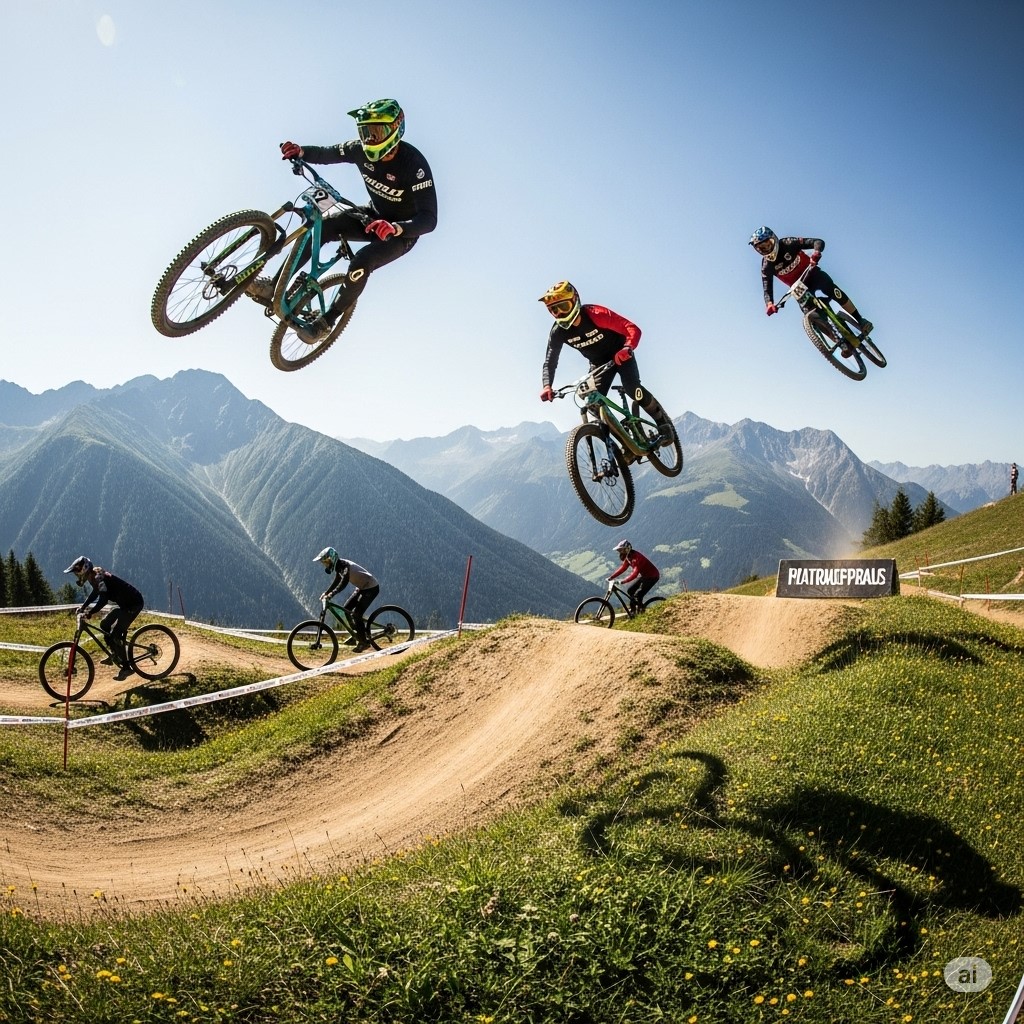
Freeride Mountain Biking: The Adrenaline-Fueled World of Gravity and Style
Freeride Mountain Biking is a thrilling and high-octane sport that blends technical skills, creativity, and raw courage. It evolved from traditional mountain biking, but with a unique emphasis on style, stunts, and descents. Riders fly off cliffs, navigate rocky trails, and defy gravity with heart-stopping tricks. This blog post dives deep into the history, growth, rules, and global impact of this extreme sport.
The Origins of Freeride Mountain Biking
Freeride Mountain Biking emerged in the early 1990s in British Columbia, Canada. Riders wanted more than cross-country trails. They sought to push limits. Traditional mountain biking focused on endurance and speed. However, a group of fearless riders began exploring steep descents, natural obstacles, and challenging terrains.
Vancouver’s North Shore became the cradle of Freeride Mountain Biking. Innovators like Wade Simmons, Brett Tippie, and Richie Schley became pioneers. They built wooden features, including ladders, bridges, and drops. These creations allowed riders to challenge their skills in new ways.
By the late 1990s, the term “freeride” gained traction. It reflected a new style of riding—unbound by competition rules or specific race courses. Instead, creativity and personal expression defined the sport.
Evolution and Milestones
The release of mountain bike films played a crucial role in Freeride’s rise. Videos like Kranked and New World Disorder showcased breathtaking descents and jaw-dropping stunts. These films inspired a new generation of riders and helped shape the culture.
In 2001, the Red Bull Rampage began in Virgin, Utah. It quickly became the sport’s premier event. Unlike races, Rampage judged riders based on style, line choice, tricks, and control. This event set the standard for professional freeride competitions.
Bike technology advanced alongside the sport. Early freeride bikes were heavy and clunky. Today’s bikes are lightweight yet durable, with full suspension systems. Innovations include dropper posts, hydraulic brakes, and tubeless tires, which enhance performance and safety.
Global Popularity of the Sport
Freeride Mountain Biking has expanded far beyond its Canadian roots. The sport now thrives in countries with diverse landscapes. The United States, New Zealand, France, and Germany boast massive freeride scenes. Each location offers unique terrain for riders to explore.
European Alps draw riders with their high-altitude trails and steep descents. In the U.S., destinations like Moab, Whistler, and Sedona attract thousands annually. Australia’s Blue Mountains and Rotorua in New Zealand are also prominent freeride hotspots.
Social media helped fuel the sport’s global rise. Platforms like YouTube and Instagram allow riders to share their stunts and trail adventures. Content creators and professional riders gain followers and sponsorships, expanding visibility.
Tourism boards and local governments have embraced the sport. They invest in bike parks and trail networks. Mountain resorts now operate in both summer and winter seasons, thanks to mountain biking.
Amateur and Youth Participation
Freeride Mountain Biking isn’t only for professionals. Amateurs and youth riders have embraced the sport with passion. Communities worldwide build trails and features suited for beginners and intermediate riders.
Bike parks offer coaching clinics and camps. These programs teach skills like cornering, jumping, and line selection. In Europe and North America, youth programs flourish. Many are run by nonprofits or local clubs.
In the U.S., the National Interscholastic Cycling Association (NICA) introduces youth to competitive mountain biking. Though focused on cross-country, many NICA alumni move into freeride.
Schools and after-school programs increasingly incorporate mountain biking. In places like Colorado, British Columbia, and Norway, students can earn physical education credits through biking programs.
Online platforms provide educational resources. YouTube tutorials and virtual coaching sessions offer guidance. Riders worldwide access these tools to improve their freeride skills.
Professional Leagues and Events
Several high-profile events and leagues shape the professional side of Freeride Mountain Biking. Red Bull Rampage remains the crown jewel. It invites only the best freeriders to compete. Riders spend days crafting their lines before the competition. They work with dig teams to sculpt jumps and drops.
Crankworx World Tour is another major series. It combines downhill, slopestyle, and freeride events. Crankworx venues include Whistler, Rotorua, and Innsbruck. The competition draws global talent and offers massive media exposure.
The Freeride Mountain Bike World Tour (FMB World Tour) organizes a points-based circuit. Riders accumulate points by competing in various global events. The top-ranked riders earn invites to elite contests like Red Bull Rampage.
Sponsorships play a key role in professional freeride. Companies like Trek, Specialized, Red Bull, and GoPro back top riders. These athletes also earn income through brand partnerships and social media content.
The International Cycling Union (UCI) does not directly govern freeride. However, it has recognized the sport’s significance and hosted events that include freeride elements. This growing recognition may lead to freeride’s inclusion in future international competitions.
Social and Political Significance
Freeride Mountain Biking impacts communities on multiple levels. Socially, it fosters inclusion and outdoor engagement. The sport attracts riders from diverse backgrounds. Youth in underprivileged areas find purpose through biking.
Programs like the Pump for Peace initiative bring biking infrastructure to developing regions. These projects empower youth, promote health, and build community.
Freeride also reshapes urban and rural development. Cities invest in bike parks and trail systems to boost tourism and fitness. Outdoor recreation is now a key economic sector in mountain towns.
Politically, land use is a major issue. Freeride often takes place on public lands. Tensions arise between conservationists and riders. However, advocacy groups like IMBA (International Mountain Bicycling Association) work to protect trail access while promoting sustainability.
Environmental stewardship is central to the freeride ethos. Riders build trails with minimal impact. Many participate in trail maintenance and habitat preservation.
The sport also promotes mental health. Being in nature, pushing physical limits, and mastering technical skills boosts confidence. Community events and group rides combat social isolation and foster camaraderie.
Rules and Competition Format
Freeride Mountain Biking does not have a rigid rulebook. The sport values creativity and self-expression. However, competitions use judging criteria to score performances fairly.
Events like Red Bull Rampage and FMB Tour evaluate riders on:
- Line choice: Complexity and originality of the route
- Control and style: Smoothness, flow, and execution
- Amplitude: Height and distance of jumps
- Tricks: Technical difficulty and creativity
- Fluidity: Overall rhythm and consistency
Riders must wear protective gear. Helmets, gloves, pads, and sometimes full-face helmets are mandatory. In elite events, bikes undergo inspection to meet safety standards.
Trail etiquette also guides amateur freeride. Riders yield to uphill traffic. They avoid skidding and respect trail closures. Safety checks before riding are essential.
Coaches and mentors emphasize progression. Riders must build skills before attempting advanced features. This minimizes injury risk and ensures trail preservation.
Local competitions often use a jam format. Riders take turns on features during a set time. Judges score based on style and trick execution. These grassroots events nurture talent and foster community.
Conclusion
Freeride Mountain Biking continues to grow, driven by innovation, community, and sheer passion. From its humble beginnings in British Columbia to global competitions, the sport has carved its own path. It embraces both athleticism and artistry.
Riders challenge gravity, terrain, and themselves. Youth programs, online tutorials, and community parks ensure the sport remains accessible. Events like Red Bull Rampage elevate freeride to elite levels while inspiring future generations.
Freeride Mountain Biking connects people across borders. It transforms landscapes, revitalizes towns, and builds lifelong friendships. As it evolves, its impact will deepen across sporting, cultural, and social dimensions.
Whether you’re a weekend warrior or an aspiring pro, the freeride spirit is about one thing: the joy of riding free.