
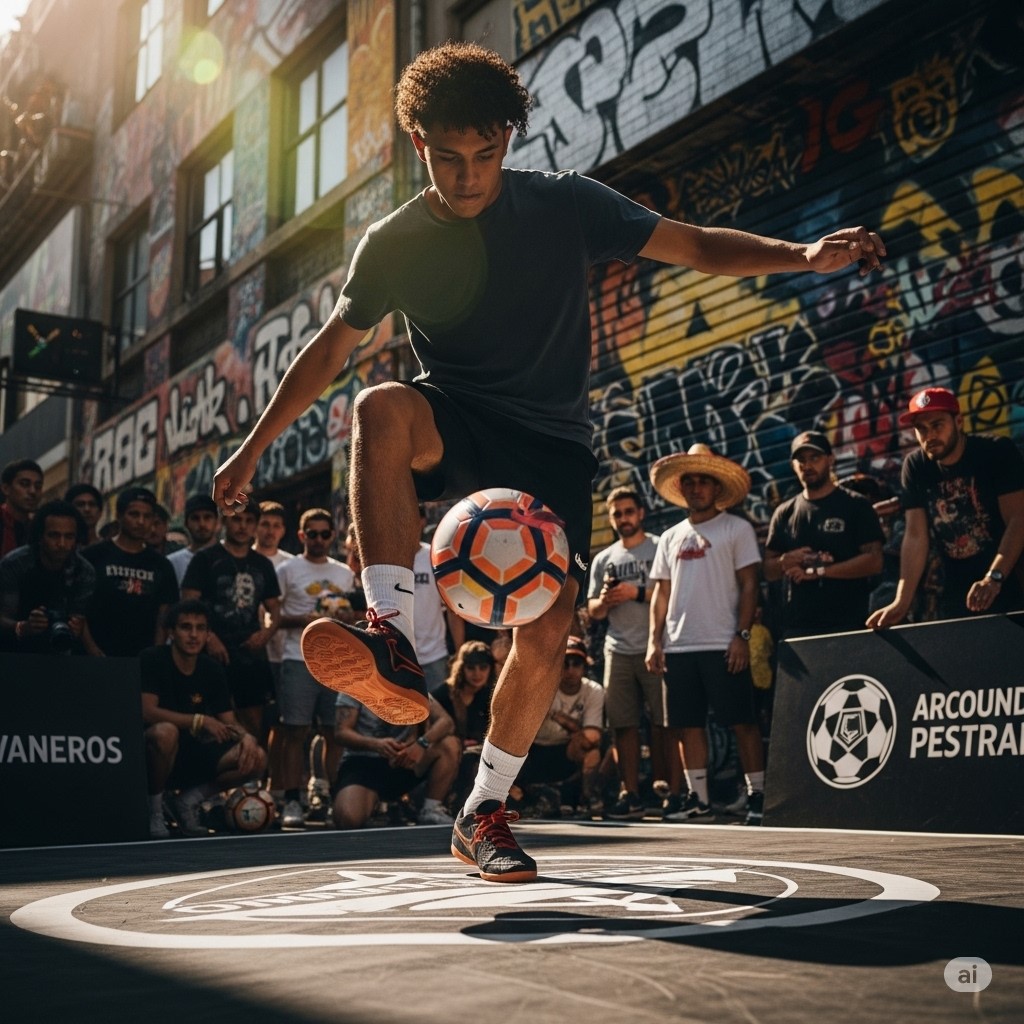
Freestyle Football: The Art, Culture, and Competitive World of Football Skills
Freestyle Football is a dynamic and creative sport that combines technical football skills with dance, acrobatics, and artistic expression. Born from street culture and inspired by traditional football, it has grown into a global phenomenon. Whether in urban parks, international arenas, or schoolyards, Freestyle Football captures imaginations everywhere. In this blog post, you will explore its fascinating origins, global reach, competitive structure, and social impact.
The Origins and History of Freestyle Football
Freestyle Football emerged from the roots of traditional football. It evolved when players began experimenting with juggling and tricks beyond normal gameplay. Though ball control drills existed for decades, the freestyle movement gained structure in the late 20th century.
The earliest examples trace back to circus performers and street artists. They blended football juggling with performance. In South America and Europe, especially in Brazil and the Netherlands, young players practiced flair-based skills in urban areas. Diego Maradona and Ronaldinho famously juggled balls as part of their training, inspiring countless fans.
By the 1990s, companies like Nike began using trick-based football in advertisements. The “Joga Bonito” campaign featured freestyle icons like Edgar Davids and Ronaldinho. This exposure gave the movement international recognition.
Around 2000, the sport started forming its own identity. Early pioneers like Soufiane Touzani, Mr. Woo, and Abbas Farid showcased new levels of creativity. Online video platforms such as YouTube further fueled its growth. Fans watched, learned, and created communities around skill-sharing.
By 2008, the first Freestyle Football Federation (F3) was established. Soon after, competitions such as the Red Bull Street Style World Final began drawing participants from dozens of countries.
Global Popularity and Reach
Freestyle Football has grown into a worldwide sport. From Tokyo to Lagos, from Buenos Aires to London, freestyle communities thrive. The sport’s accessibility is a major factor in its global success.
Unlike traditional football, freestyle requires only a ball and an open space. This low barrier makes it popular in urban areas and developing countries. Young people can practice without formal teams or fields.
Countries with strong freestyle scenes include Poland, Japan, Brazil, the UK, and France. Poland hosts major events and produces top-ranked athletes like Michryc. Japan’s freestylers like Tokura inspire with precision and innovation.
In Africa, countries such as Nigeria and Ghana are rising powers. Players there combine freestyle with local dance and rhythm, adding cultural flavor. In Latin America, street football traditions support the freestyle spirit.
Online platforms also amplify global reach. Instagram, TikTok, and YouTube host freestyle content daily. Followers range from casual fans to aspiring athletes.
Freestyle Football in Youth and Schools
Freestyle Football has seen strong adoption among young people. It fits well into school programs, after-school activities, and youth sports clubs. Its emphasis on individuality, creativity, and practice appeals to students.
Schools in Europe, particularly in the UK and France, have begun integrating freestyle training into physical education. Students learn basic tricks such as toe bounces, around the world, and crossover. These movements develop coordination and focus.
Youth tournaments also drive interest. The World Youth Freestyle Championship and national-level contests are held regularly. Young freestylers gain recognition and motivation through these events.
In countries like Japan, schools support freestyle clubs. Students meet daily to practice and share ideas. The culture of discipline and repetition fits freestyle’s training needs.
Social media has played a large role in connecting young freestylers. Online tutorials, trick challenges, and virtual competitions enable global engagement. Young athletes can progress rapidly by watching and mimicking advanced moves.
Freestyle also appeals to youth because it is non-contact and self-paced. This lowers the risk of injury and removes pressure found in team sports. Each player develops at their own rhythm.
Professional Leagues and Competitive Landscape
Freestyle Football has matured into a professional sport. Competitive leagues, international tournaments, and ranking systems now define the elite level. Athletes travel globally to showcase their skills and win titles.
The Red Bull Street Style competition is the most prestigious. Held annually, it draws national champions from dozens of countries. Freestylers compete one-on-one in battles judged on difficulty, creativity, and execution.
Super Ball is another major event. Organized by the World Freestyle Football Association (WFFA), it takes place in Europe and attracts hundreds of athletes. Super Ball includes various disciplines: battles, routines, double routines, and challenge rounds.
National leagues operate in several countries. Poland, Japan, Brazil, and the UK have regular contests. Winners earn points toward world rankings. This structure mirrors other individual sports like skateboarding or gymnastics.
Sponsorship and endorsements support professional players. Companies like Puma, Adidas, and Red Bull back top freestylers. These athletes also monetize through social media, coaching, and appearances.
Professional freestylers often become influencers. Their reach extends beyond sports into music, fashion, and youth culture. Some have performed in halftime shows, commercials, and even films.
The WFFA governs international rules and rankings. It provides structure and credibility to the sport. As freestyle grows, more athletes see it as a career path, not just a hobby.
Social and Political Significance
Freestyle Football carries powerful social and political messages. Its roots in street culture and accessibility make it a voice for underrepresented communities. Many players use their platform to inspire, educate, and uplift.
In areas affected by poverty or conflict, freestyle offers hope. Organizations like Freestyle Unites and Street Child United run programs in refugee camps and urban slums. They teach skills while promoting peace and unity.
Freestyle transcends language and nationality. Competitions feature athletes from diverse backgrounds. This promotes tolerance, cultural exchange, and understanding.
In some regions, female freestylers challenge gender norms. Athletes like Liv Cooke (UK) and Melody Donchet (France) have earned global fame. Their success encourages girls to pursue sport and creativity.
Events often focus on inclusion. For example, the WFFA supports freestylers with disabilities. Adaptive styles and equipment allow more people to participate.
Politically, freestyle often symbolizes resistance. In countries where expression is limited, freestyle becomes a form of protest. Public performances and viral videos carry messages of freedom and identity.
Socially, the sport reduces isolation. Freestylers form communities in person and online. They share experiences, support each other, and build lasting friendships.
The grassroots nature of freestyle aligns with global movements toward decentralization and empowerment. It shows that talent can thrive without institutional backing.
Rules and Competition Format
Freestyle Football competitions follow clear rules. Judges score based on several criteria: difficulty, originality, style, control, and overall performance.
In battles, two freestylers face off in timed rounds. Each round typically lasts 30 seconds. Players alternate and respond to each other’s moves. The format is similar to dance battles or rap duels.
Judges evaluate not just skill, but also flow and engagement. Competitors must impress the audience and judges within a short time.
In routine events, players perform choreographed sequences. These are set to music and judged like figure skating or gymnastics. Precision and presentation matter as much as technique.
Other formats include:
- Sick Three: Showcasing the hardest three tricks in sequence.
- Challenge Rounds: Completing specific tricks under pressure.
- Doubles: Two freestylers performing in sync.
Penalties apply for drops (when the ball hits the ground), stumbles, or repeating tricks. Creativity and clean execution are rewarded.
Age divisions allow youth and adults to compete fairly. Men and women often compete separately, but mixed formats also exist.
Official competitions are governed by the WFFA. Local events may have modified rules. However, global standards ensure consistency in judging.
Freestyle styles include lower body, upper body, sits, transitions, and grounds. Mastery of all areas boosts scores and reputation.
Players develop signature tricks. These unique moves contribute to their brand and standing.
Preparation for competitions involves intense training. Athletes practice for hours daily, focusing on flow, conditioning, and mental focus.
Conclusion
Freestyle Football has evolved from a street pastime into a global movement. Its roots in traditional football, mixed with artistic expression, make it unique. The sport thrives due to accessibility, creativity, and strong online presence.
Its global popularity spans youth, amateurs, and professionals. Schools and communities support its growth. International leagues and sponsors provide structure and incentives.
Beyond sport, freestyle impacts society. It promotes inclusion, challenges norms, and fosters unity. Its rules and competition formats ensure fairness and excitement.
Freestyle Football continues to inspire a generation. It proves that with just a ball and passion, anyone can create magic.