
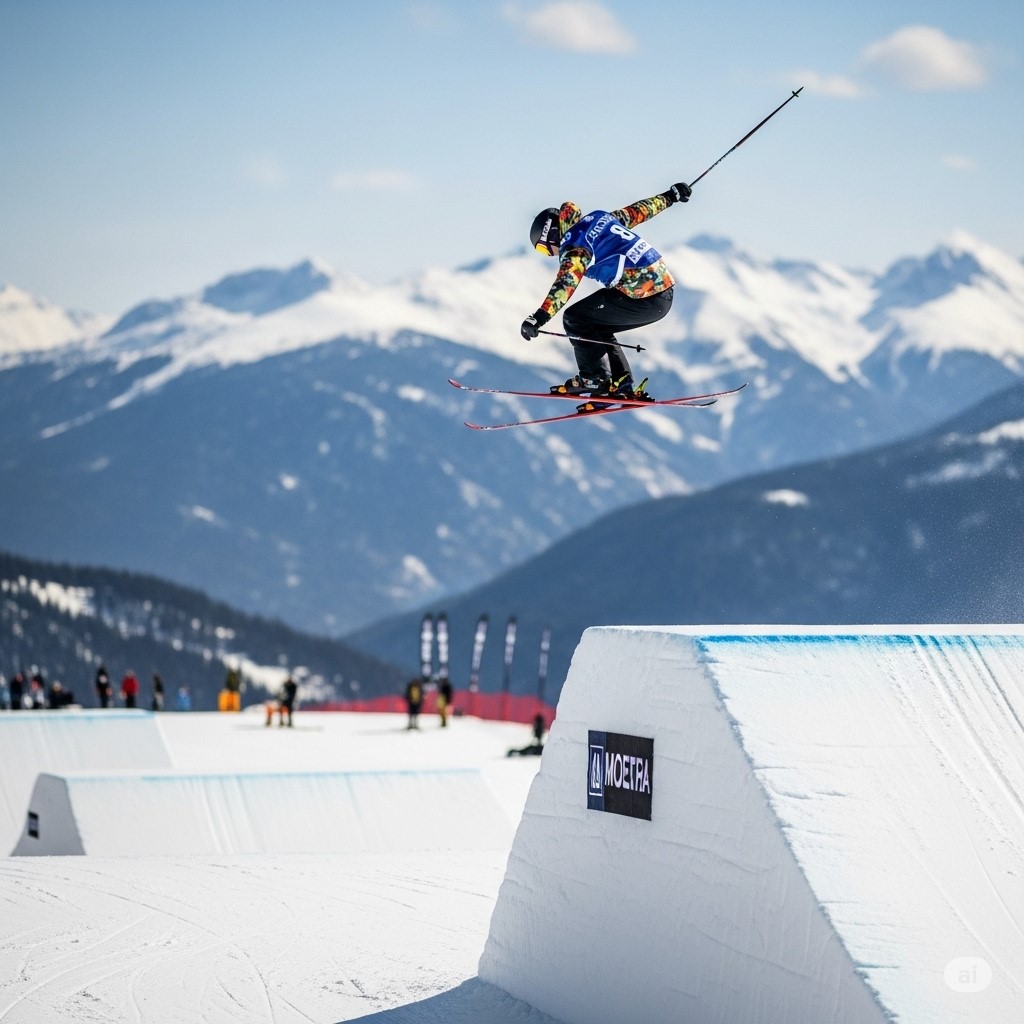
Freestyle Skiing: A Thrilling Ride Through History, Culture, and Competition
Freestyle Skiing is a dynamic winter sport that combines skill, creativity, and athleticism. It has captured the imagination of sports fans worldwide. From its origins in the snowy slopes of North America to its global popularity today, Freestyle Skiing continues to evolve. The sport is practiced by amateurs and professionals alike. Youth programs, professional circuits, and Olympic competition all contribute to its rapid growth. As Freestyle Skiing gains traction, it also influences social and political landscapes. In this article, we will explore the sport’s fascinating journey, rules, leagues, and worldwide impact.
Origins and Early History
Freestyle Skiing began in the 1930s, rooted in alpine skiing traditions. Skiers started experimenting with tricks during their downhill runs. In the 1960s, these stunts became more structured and gained popularity. Skiers added somersaults and flips, especially in North American ski resorts. By the 1970s, the sport was recognized with competitions and organized training.
Waterville Valley in New Hampshire played a key role. It hosted some of the first Freestyle Skiing clinics and events. The International Ski Federation (FIS) took note and introduced rules to standardize competitions. Early competitions included aerials, moguls, and ski ballet. Ski ballet faded over time, but aerials and moguls became staples.
Growth and Olympic Recognition
The 1980s marked a major turning point. Freestyle Skiing gained legitimacy through regulation and media exposure. The FIS sanctioned official events, and the sport spread to Europe and Asia. In 1988, Freestyle Skiing debuted as a demonstration sport at the Calgary Winter Olympics. Just four years later, moguls became an official Olympic event.
Aerials followed in 1994, and ski cross was added in 2010. Slopestyle and halfpipe joined in 2014. These additions showed the sport’s growing appeal and diverse disciplines. Each event tests different aspects of skill and creativity, attracting both athletes and spectators.
Global Popularity and Reach
Freestyle Skiing is now a worldwide phenomenon. Countries with snowy climates like Canada, the United States, Norway, Switzerland, and Japan dominate the scene. However, the sport is also growing in countries like China, South Korea, and Australia. The global reach is fueled by winter tourism, youth programs, and media coverage.
Television broadcasts and online streaming bring Freestyle Skiing to millions. Social media also plays a vital role in promoting highlights and training sessions. Athletes have become influencers, expanding the sport’s reach beyond traditional fans.
Europe hosts numerous international events. Val Thorens in France and Åre in Sweden are top venues. In North America, Whistler Blackcomb and Park City attract both pros and amateurs. Asia’s interest grows, especially after the 2022 Beijing Winter Olympics. Freestyle Skiing facilities are expanding to meet demand.
Amateur Participation and Youth Programs
Amateur Freestyle Skiing is the foundation of the sport. It begins with youth programs and school competitions. Many ski resorts offer specialized training camps for children and teens. These camps focus on safety, skill-building, and confidence.
Local ski clubs often partner with schools to introduce Freestyle Skiing to students. High school competitions are popular in North America and Europe. These events help young athletes gain experience and visibility.
Youth leagues offer structured competition formats. In the United States, the US Ski and Snowboard Association (USSA) runs youth-level events. Canada has similar programs under Freestyle Canada. European countries also promote youth skiing through national federations.
These programs are essential for talent development. They identify promising athletes and prepare them for higher levels of competition. Coaches focus on both technical skills and mental toughness. Safety remains a top priority in all training programs.
Professional Leagues and Competitive Circuits
Professional Freestyle Skiing is organized through several leagues and circuits. The FIS oversees the most prestigious events, including the World Cup and World Championships. These competitions feature top athletes from around the world.
The X Games is another major platform. Held annually in Aspen, it showcases the most daring and creative performances. Slopestyle, big air, and halfpipe events are fan favorites. Athletes often use the X Games to build their brands and secure sponsorships.
Red Bull sponsors several Freestyle Skiing events. These include unique formats and challenging courses. The Dew Tour also offers opportunities for professionals to compete and gain exposure. Each league has its own rules, but all promote innovation and sportsmanship.
National championships are held in many countries. These events serve as qualifiers for international competitions. Athletes accumulate points to improve their rankings. Strong performance at the national level opens doors to global events.
Rules and Disciplines
Freestyle Skiing includes several disciplines, each with its own set of rules. The most popular are moguls, aerials, slopestyle, halfpipe, ski cross, and big air. Each discipline challenges different skills and techniques.
Moguls involve skiing down a bumpy slope with two jumps. Judges score based on speed, turns, and aerial maneuvers. Skiers must maintain control while navigating the bumps.
Aerials require athletes to perform flips and twists off large ramps. Judges evaluate the takeoff, execution, and landing. Height and difficulty add to the score.
Slopestyle features a course with rails, jumps, and other obstacles. Athletes perform tricks on each section. Style, difficulty, and flow determine the score.
Halfpipe uses a U-shaped snow structure. Skiers go from one side to the other, executing tricks in the air. Judges look for amplitude, variety, and control.
Ski Cross is a head-to-head race down a course with jumps and turns. The first to finish advances. It combines speed with tactical maneuvering.
Big Air focuses on a single, massive jump. Athletes perform one trick, aiming for the highest score. Precision and creativity are key.
Each event has time limits and safety rules. Helmets are mandatory, and judges use video replay for accuracy. Athletes must follow course boundaries and avoid interference.
Social and Political Impact
Freestyle Skiing has made a notable impact beyond the slopes. Socially, it promotes individuality and creativity. Unlike traditional sports, it allows athletes to express their unique styles. This has attracted a diverse group of participants.
The sport also encourages gender equality. Women compete in nearly all the same events as men. Prize money is often equal, and female athletes gain media attention and sponsorships.
Politically, Freestyle Skiing has influenced international cooperation. Events bring together athletes from countries with tense relations. The Olympic Games often serve as a platform for peaceful engagement.
Economic benefits are significant as well. Host cities invest in infrastructure and tourism. Ski resorts upgrade facilities to accommodate events. This creates jobs and boosts local economies.
Environmental concerns are part of the conversation. The sport depends on snow and cold weather. Many athletes and organizations support sustainability efforts. Eco-friendly snowmaking and waste reduction are gaining traction.
Cultural Significance and Lifestyle
Freestyle Skiing is more than a sport; it’s a lifestyle. The culture values freedom, adventure, and community. Ski towns often host events, parties, and festivals celebrating the sport.
Music, fashion, and social media are closely tied to Freestyle Skiing. Athletes often influence trends in winter apparel. Social platforms showcase behind-the-scenes content and daily life on the slopes.
This cultural appeal draws in younger generations. It offers an alternative to mainstream sports, emphasizing fun and self-expression. Many athletes come from skateboarding or surfing backgrounds, adding to the diversity.
The camaraderie among athletes is strong. Despite fierce competition, there is mutual respect. Training sessions often turn into collaborative experiences. This spirit strengthens the global Freestyle Skiing community.
Conclusion
Freestyle Skiing has grown from a fringe activity into a globally recognized sport. Its rich history, diverse disciplines, and inclusive culture set it apart. From youth leagues to professional circuits, opportunities abound for participation.
The sport continues to influence society through its values and visibility. It promotes creativity, equality, and international unity. As interest grows, so does its impact on politics, economics, and the environment.
Freestyle Skiing’s future looks bright. With expanding youth programs and global events, the next generation is ready to take it higher. Whether you’re a fan, athlete, or newcomer, there’s something in Freestyle Skiing for everyone.