
Freestyle Swimming: A Deep Dive Into the World’s Most Popular Stroke
Freestyle Swimming is one of the most recognizable and widely practiced strokes in competitive swimming. It dominates both amateur and professional swim meets across the globe. This stroke symbolizes speed, endurance, and technique. Although it appears simple, freestyle involves a rich history and complex athleticism. In this blog, we will explore every aspect of Freestyle Swimming, from its origins to its global presence and cultural impact.
The Origins and History of Freestyle Swimming
Freestyle Swimming has ancient roots. Historical evidence shows that humans have swum using variations of the freestyle stroke for thousands of years. The earliest depictions appear in cave paintings in Egypt dated around 2500 BCE. These artworks show swimmers using a motion resembling the modern front crawl.
Moving forward to the 19th century, swimming evolved into an organized sport. The National Swimming Society formed in London in 1837 and held some of the earliest freestyle races. At that time, the stroke most commonly used was the breaststroke. In 1844, two Native American swimmers introduced the front crawl to British swimmers during a competition. Although they swam faster than their British opponents, the British audience found their style too splashy and unrefined.
Nevertheless, the front crawl slowly gained popularity. Australian swimmer Richmond “Dick” Cavill played a crucial role in refining it. He developed a version of the front crawl by observing a technique used by swimmers in the Solomon Islands. By the early 20th century, his version became the dominant form of Freestyle Swimming in competitions.
Freestyle Swimming made its Olympic debut at the first modern Games in Athens in 1896. The 100-meter freestyle for men became a standard event. Since then, the freestyle stroke has become a core part of international competitions, including the Olympics, World Championships, and continental tournaments.
The Global Popularity of Freestyle Swimming
Today, Freestyle Swimming is practiced in nearly every country. It forms the backbone of most swimming competitions worldwide. In nations like the United States, Australia, and China, swimming is a staple in youth sports. Clubs, schools, and national programs invest heavily in swimming infrastructure.
In the United States, the NCAA hosts highly competitive collegiate swimming programs. Freestyle events regularly feature prominently in these meets. Countries like Hungary, Brazil, and South Africa also produce world-class freestyle swimmers, boosting the sport’s profile.
Australia has a deep swimming culture. Generations of Australians grow up around pools and beaches. The nation celebrates its freestyle heroes such as Ian Thorpe and Ariarne Titmus. In China, government investment in sports has elevated swimming to new heights. Freestyle Swimming events often draw millions of viewers during national broadcasts.
European countries including Germany, France, and the UK support robust swimming communities. Their athletes consistently place well in international freestyle competitions. Even in smaller countries, local clubs provide access to training facilities, making Freestyle Swimming a truly global sport.
Youth and Amateur Freestyle Swimming Around the World
Freestyle Swimming begins early in many children’s lives. Swim schools offer beginner lessons where the freestyle stroke is introduced first. It is considered the most efficient and accessible stroke for beginners.
In schools and community programs, freestyle is the foundation of swim instruction. Youth swim teams compete in local, regional, and national events. Age-group meets provide platforms for aspiring athletes to showcase their skills.
In the United States, the USA Swimming organization governs youth swimming. It organizes competitions from the local to the national level. Swimmers as young as 5 years old participate in freestyle events.
In Australia, the “Learn to Swim” programs are widespread. Most schools integrate swimming into their physical education curriculum. Similarly, the UK promotes swimming lessons through local councils and schools. The emphasis is on safety, technique, and endurance.
Amateur swim clubs flourish in most countries. These clubs nurture talent and foster a love for the sport. They provide coaching, structured workouts, and competitive opportunities. Freestyle events dominate club-level meets, cementing their importance in grassroots development.
Professional Leagues and Competitive Freestyle Swimming
Professional Freestyle Swimming has evolved significantly in the 21st century. Traditional events such as the Olympics and FINA World Championships remain crucial. However, new professional leagues have added excitement to the sport.
The International Swimming League (ISL) launched in 2019. It created a team-based format where elite swimmers compete in multiple freestyle distances. Events range from 50 meters to 400 meters, with relay races adding to the thrill. Teams like the Cali Condors and London Roar attract top talent.
Athletes in the ISL earn salaries and performance bonuses. This model contrasts with the previous structure where swimmers relied mainly on national team support. As a result, the ISL has professionalized Freestyle Swimming further.
National championships in countries like the U.S., Australia, and Japan serve as stepping stones to global events. Freestyle races at these meets are often the most anticipated. Star swimmers like Katie Ledecky, Caeleb Dressel, and Kyle Chalmers have become household names through their freestyle prowess.
Endurance events such as the 800-meter and 1500-meter freestyle are also part of open water competitions. The FINA Marathon Swim World Series includes long-distance freestyle events in natural settings. These races require incredible stamina and strategy.
Political and Social Impact of Freestyle Swimming
Freestyle Swimming has influenced society beyond the pool. In many countries, swimming represents national pride. Olympic medals in freestyle events often become symbols of a country’s athletic excellence.
During the Cold War, freestyle races between American and Soviet athletes had political undertones. Victories were viewed as demonstrations of ideological superiority. Similarly, during apartheid, South African swimmers were banned from international competition. Their return to freestyle events after the ban lifted was symbolic of national reintegration.
Socially, Freestyle Swimming promotes inclusion and empowerment. Swim programs for people with disabilities use freestyle as a primary stroke. The Paralympics feature many freestyle events, showcasing incredible athleticism.
In underserved communities, learn-to-swim initiatives save lives. Drowning is a leading cause of accidental death worldwide. Freestyle instruction empowers individuals with life-saving skills. Programs like USA Swimming’s “Make a Splash” have introduced thousands of children to the sport.
Gender equity in Freestyle Swimming has improved significantly. Female athletes now compete in the same events as males and receive equal recognition. This parity inspires young girls to pursue swimming professionally.
Rules and Techniques in Freestyle Swimming
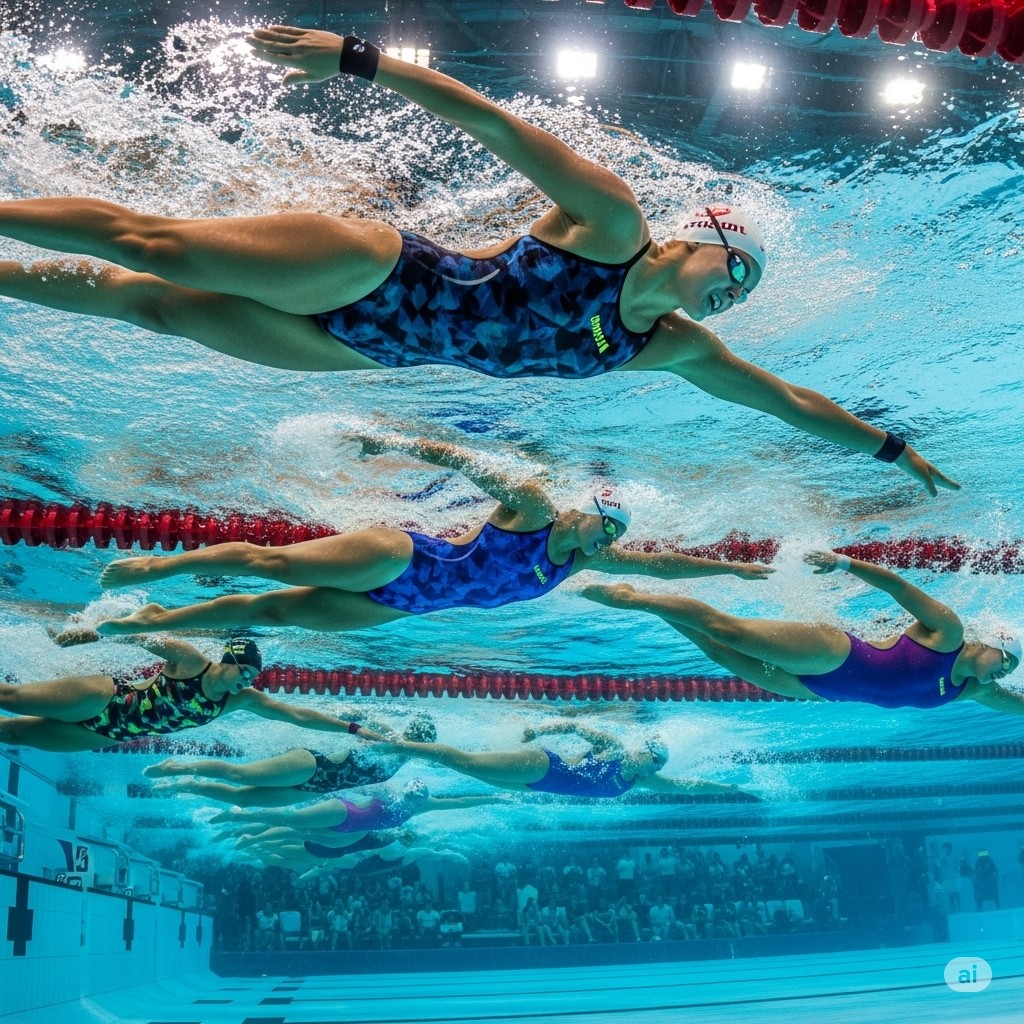
Despite the name, freestyle does have specific rules. In competition, swimmers can use any stroke, but the front crawl is almost always chosen for its speed. The stroke consists of alternating arm movements with a flutter kick.
Starts begin from a diving platform. Swimmers must surface within 15 meters of the start. They then maintain streamlined body positions to minimize drag. Turns use a flip technique to reverse direction quickly.
Freestyle races vary in distance: 50, 100, 200, 400, 800, and 1500 meters. Relay events include the 4×100 and 4×200 meter freestyle. Timing is electronic and accurate to hundredths of a second.
Swimmers must touch the wall at each turn and the finish. False starts result in disqualification. Additionally, swimmers must stay within their lanes throughout the race. Lane ropes reduce turbulence and help swimmers maintain direction.
Proper breathing technique is vital. Most swimmers breathe every two or three strokes. This rhythm ensures optimal oxygen intake without sacrificing speed. Elite swimmers train for years to perfect their stroke mechanics.
Judges monitor compliance with rules during races. Video replay assists in verifying close finishes or infractions. Swimmers wear minimal gear: a swim cap, goggles, and a technical suit designed for speed and buoyancy.
Conclusion
Freestyle Swimming continues to captivate audiences and athletes worldwide. Its history spans ancient civilizations to modern professional leagues. The sport thrives at every level, from youth programs to Olympic arenas. It serves as both a competitive challenge and a life-saving skill. Across continents and cultures, freestyle remains a unifying and empowering force. As it evolves, one thing is clear: Freestyle Swimming will always be at the heart of aquatic sports.