
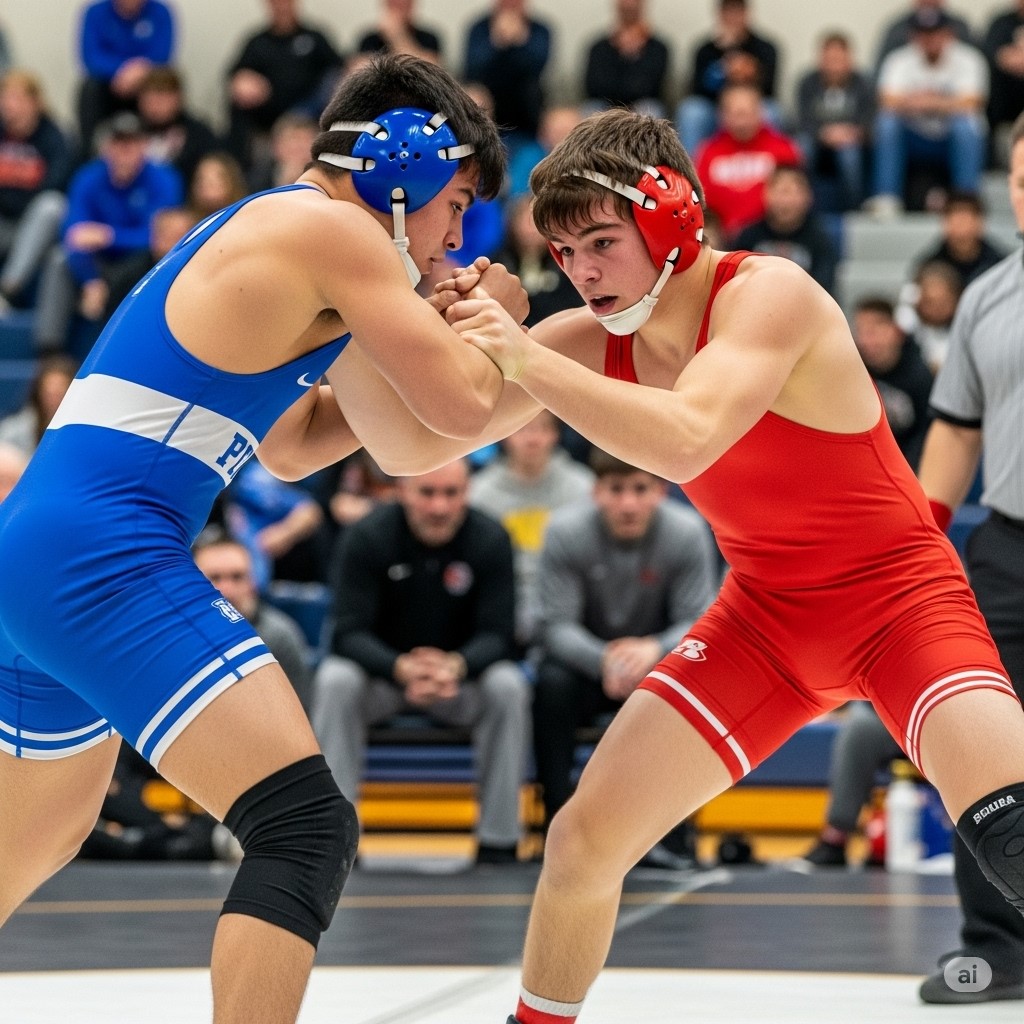
The Global Impact and Evolution of Freestyle Wrestling
Freestyle Wrestling stands as one of the oldest and most respected forms of combat sports. This physically demanding discipline blends power, speed, technique, and strategy. Athletes from across the globe compete with intensity and pride. Freestyle Wrestling showcases cultural traditions, personal discipline, and athletic excellence. Its popularity continues to expand worldwide.
Origins and Historical Development
Freestyle Wrestling traces its roots to ancient civilizations. Archaeological evidence suggests early forms of wrestling existed in Mesopotamia, Egypt, and Greece. Cave drawings over 5,000 years old depict grappling contests. Wrestling featured prominently in the first Olympic Games in 708 BCE. While those contests were not Freestyle Wrestling specifically, they laid the foundation.
The modern version of Freestyle Wrestling emerged in the 19th century. It was inspired by various European folk wrestling styles and American catch-as-catch-can wrestling. These styles emphasized throws, pins, and technical superiority. During the late 1800s, traveling carnivals and circuses in the United States helped popularize the sport.
By the early 20th century, Freestyle Wrestling had gained international recognition. It was introduced to the Olympic Games in 1904 during the St. Louis Games. Since then, it has been a staple of the Olympic wrestling program.
Global Popularity and Geographic Spread
Freestyle Wrestling enjoys a global presence. Countries in Eastern Europe, Central Asia, North America, and parts of Africa dominate the sport. Nations like Russia, the United States, Iran, and Turkey consistently produce top-tier wrestlers.
In Russia and former Soviet republics, wrestling is treated as a national sport. Children are introduced to wrestling from an early age. Training centers are well-funded and produce world-class athletes.
In Iran, wrestling holds deep cultural significance. It is considered the national sport and often draws massive audiences. Iranian wrestlers are national celebrities and represent pride and tradition.
The United States has a robust Freestyle Wrestling culture, especially at the collegiate level. NCAA programs serve as development pipelines for international competition. Youth clubs, high schools, and community organizations support wrestling at grassroots levels.
Turkey, India, Mongolia, Japan, and Cuba also have strong wrestling traditions. International tournaments like the World Championships and Olympics bring these nations into regular competition.
Freestyle Wrestling in Youth and Schools
Youth wrestling programs play a vital role in the sport’s development. In many countries, children begin wrestling as young as five years old. These programs focus on basic techniques, discipline, and physical conditioning.
In the United States, scholastic wrestling serves as a feeder for Freestyle Wrestling. Although the rules differ slightly, the foundational skills are transferable. High school athletes often compete in both folkstyle and freestyle formats.
National governing bodies, such as USA Wrestling, organize youth tournaments and clinics. These events promote competition and talent discovery. Young wrestlers often attend summer camps to improve their skills and connect with elite coaches.
In countries like Japan and Georgia, wrestling is incorporated into the school curriculum. Youth athletes train under experienced coaches and represent their schools in regional competitions. These efforts contribute to strong national teams at the junior level.
Professional Leagues and Elite Competition
Although Freestyle Wrestling is traditionally amateur, professional formats have emerged. These leagues aim to provide wrestlers with career opportunities beyond the Olympics.
In India, the Pro Wrestling League (PWL) has gained traction. This franchise-based league features top international and domestic talent. Teams represent different cities and compete in televised matches. The league has boosted wrestling’s popularity among Indian youth.
The United States has seen initiatives like the American Wrestling League (AWL) and FloWrestling’s events. These platforms create professional environments for elite athletes. Wrestlers earn income through match fees, sponsorships, and merchandise.
Russia hosts the Ivan Yarygin Grand Prix and other major tournaments. These events offer significant prize money and attract global participation. Wrestlers use them to prepare for the World Championships and Olympic Games.
Iran’s Takhti Cup and Turkey’s Yasar Dogu tournament are also prestigious competitions. These events help maintain year-round interest in the sport.
Political and Social Significance
Freestyle Wrestling holds powerful political and social meaning. It has often served as a bridge between nations, even during times of conflict. For instance, during the Cold War, American and Soviet wrestlers competed with mutual respect.
Sport diplomacy has used wrestling as a tool for engagement. In 2013, after the International Olympic Committee proposed removing wrestling from the Olympics, global outrage followed. Countries united in protest, emphasizing the sport’s universal value. The decision was reversed due to this widespread support.
Socially, wrestling promotes values like perseverance, respect, and discipline. It provides at-risk youth with structure and purpose. Wrestling clubs often operate in underserved communities, offering mentorship and positive role models.
In many cultures, wrestling is more than a sport. It represents heritage and identity. Traditional wrestling festivals in Mongolia and Central Asia blend sport with ceremony, music, and history.
Rules and Match Structure
Understanding the rules is essential to appreciate Freestyle Wrestling. Matches are typically divided into two three-minute periods. The wrestler with the most points at the end wins, unless a fall (pin) occurs.
Scoring is based on execution of techniques. Takedowns, reversals, and exposures earn points. A takedown scores 2 to 5 points depending on control and impact. Exposure, where an opponent’s back touches the mat, adds more points.
A wrestler wins by technical superiority if they lead by 10 points. A fall occurs when both shoulders of an opponent are pinned to the mat. This ends the match instantly.
Illegal moves include slams, joint locks, and striking. Penalties result in caution points for the opponent. Passive wrestlers who do not engage may also receive warnings.
Each match has a referee and two mat judges. They ensure fair play and accurate scoring. Coaches can challenge decisions using a video replay system.
Weight classes vary by age and gender. Senior-level competitions include ten weight divisions. Wrestlers must make weight before competing.
Uniforms consist of a singlet and wrestling shoes. Headgear is optional in international competition but common in youth wrestling.
Training and Preparation
Freestyle Wrestling requires rigorous training. Athletes focus on strength, agility, and endurance. Technique drills are repeated daily to build muscle memory.
Practice sessions include live wrestling, sparring, and conditioning. Nutrition and recovery also play crucial roles. Wrestlers follow strict diets to maintain weight and peak performance.
Mental preparation is equally important. Visualization, goal-setting, and focus drills help wrestlers perform under pressure. Many athletes work with sports psychologists.
Off-season training involves cross-training with other combat sports. Judo, Greco-Roman wrestling, and Brazilian Jiu-Jitsu improve overall grappling skills. Wrestlers also study film to analyze opponents.
Coaching staff includes technical coaches, strength trainers, and nutritionists. The support system ensures athletes reach their potential.
Gender Inclusion and Growth
Freestyle Wrestling has made strides in gender inclusion. Women’s wrestling was added to the Olympics in 2004. Since then, participation has grown exponentially.
Countries like Japan, Canada, and the United States lead in women’s wrestling. Female wrestlers now have access to elite training programs and competitions.
Youth organizations encourage girls to join wrestling from early ages. All-girl tournaments and clinics provide supportive environments. Media coverage of women’s wrestling has improved, increasing visibility and interest.
Challenges remain, especially in conservative societies. However, international efforts promote equality and opportunity for female athletes.
Future Outlook
The future of Freestyle Wrestling looks promising. Technological advances have improved training methods and match analysis. Video review, wearable tech, and AI-based scouting help refine strategies.
Global federations continue expanding wrestling’s reach. New tournaments, digital content, and educational programs engage fans and athletes alike. Social media allows wrestlers to build personal brands and connect with followers.
Youth participation is increasing worldwide. Schools and community programs fuel this growth. More young athletes now view wrestling as a pathway to scholarships and international recognition.
Sponsorship and broadcasting deals will shape the sport’s economics. As professional leagues stabilize, athletes will enjoy more career opportunities. Freestyle Wrestling is evolving without losing its core values.
Conclusion
Freestyle Wrestling is more than a sport. It reflects cultural heritage, personal growth, and international unity. From ancient traditions to modern competition, it has remained relevant and respected. The sport’s rules, global appeal, and social impact continue to inspire. Freestyle Wrestling will thrive for generations to come.