
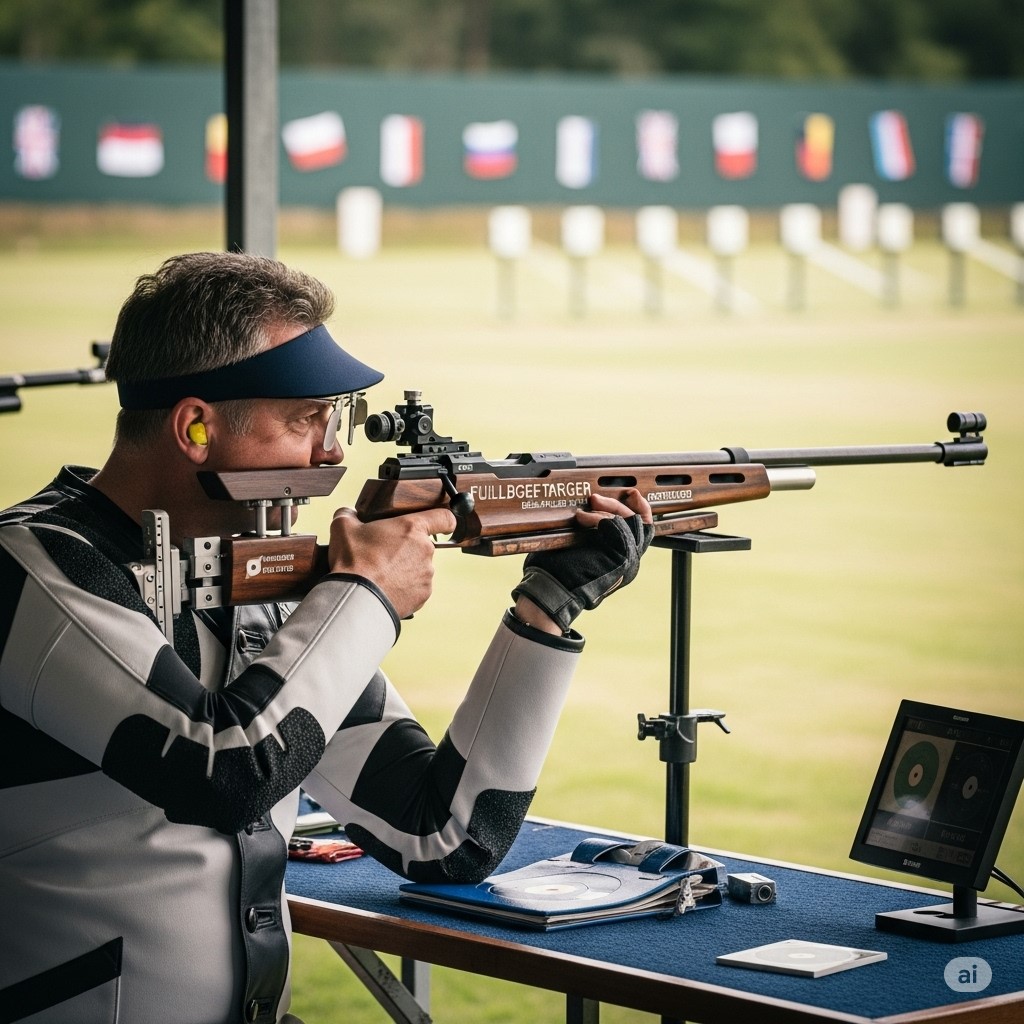
Fullbore Target Rifle Shooting: A Deep Dive into One of the World’s Most Precise Sports
Fullbore Target Rifle Shooting is a sport of precision, discipline, and historical depth. Rooted in military tradition, it has evolved into a globally respected marksmanship competition. Enthusiasts admire the skill it demands and the camaraderie it fosters. Unlike many modern sports, Fullbore Target Rifle Shooting combines traditional techniques with evolving technology. It remains a core element of national pride and shooting excellence across several continents.
Origins and History of Fullbore Target Rifle Shooting
The origins of Fullbore Target Rifle Shooting trace back to the mid-19th century. In 1860, the National Rifle Association of the United Kingdom (NRA UK) was established. Its primary mission was to improve the marksmanship of Britain’s military forces. Queen Victoria’s involvement added prestige when she fired the inaugural shot at the first meeting on Wimbledon Common.
Originally, the sport used military-issue rifles. Over time, specialized target rifles replaced service weapons. The British Army and Volunteer Force supported early competitions. These matches tested long-range precision with black powder cartridges. As smokeless powder emerged in the late 19th century, performance and consistency improved.
International competitions began soon after. By the early 20th century, Commonwealth countries adopted the sport. Nations like Canada, Australia, New Zealand, and South Africa established their own national championships. Each country developed local clubs and federations. These efforts promoted the sport both at the elite and grassroots levels.
Global Popularity and Locations
Fullbore Target Rifle Shooting thrives in countries with Commonwealth heritage. The United Kingdom remains the epicenter, hosting prestigious events such as the Imperial Meeting at Bisley. This event attracts shooters from around the globe.
In Canada, the Dominion of Canada Rifle Association (DCRA) organizes the annual Canadian Fullbore Championships. Similarly, Australia’s National Rifle Association hosts competitions that draw thousands of participants. New Zealand and South Africa also maintain strong traditions. They host local leagues and international events regularly.
Though less common, the sport exists in the United States under Palma and High Power disciplines. These variations share many similarities with Fullbore rules. Across Europe, nations like Norway and Germany have adopted similar long-range shooting formats.
The Commonwealth Games has included Fullbore Target Rifle Shooting since 1966. It remains a highlight for national teams and a pathway for international exposure. While not part of the Olympics, the sport enjoys high recognition within its community.
Amateur Participation and Youth Development
Amateur shooters form the backbone of Fullbore Target Rifle Shooting. Thousands of clubs worldwide nurture talent and encourage participation. These clubs often operate on volunteer support. They provide access to ranges, coaching, and equipment.
In the UK, schools like Epsom College and Wellington College offer shooting as a sport. Many students begin training as early as age 13. Annual school championships culminate in the Ashburton Shield competition. This event fosters friendly rivalry and tradition.
Youth programs also flourish in Canada and Australia. National federations organize junior camps and development squads. These initiatives teach safety, discipline, and technical skill. Many young shooters progress to national and international competitions.
University-level competitions play a vital role. The University of Oxford and the University of Cambridge field elite teams. Their annual Varsity Match is a historic rivalry dating back to the 19th century. These programs continue to fuel growth and uphold high standards.
Professional Leagues and Competitions
While Fullbore Target Rifle Shooting lacks commercial leagues like football or basketball, it boasts high-level competitions. The Imperial Meeting in the UK serves as the sport’s most prestigious event. Held at Bisley Camp, it features individual and team matches over several weeks.
The Queen’s Prize is the crown jewel of the Imperial Meeting. It attracts top marksmen from around the world. Winning this title elevates a shooter’s status significantly.
Internationally, the World Long Range Rifle Championships occur every four years. Countries field national teams in tightly contested events. This championship includes the Palma Match, dating back to 1876. The Palma Trophy is one of the oldest international sporting trophies still awarded.
National teams also compete in events such as the Commonwealth Championships. These tournaments enhance cross-border friendships and foster competitive excellence.
Political and Social Significance
Fullbore Target Rifle Shooting has historical ties to national defense. Initially, it improved military readiness. Today, it symbolizes heritage, discipline, and peaceful international competition.
Politically, the sport emphasizes responsible firearm use. It supports education on safety, law, and ethics. Shooters must adhere to stringent standards. This commitment strengthens public trust and legitimizes the sport’s presence.
Socially, it promotes inclusivity and intergenerational participation. Competitors range from teenagers to octogenarians. Events often include men and women competing side by side. Families travel together to support and participate. The sport creates lifelong friendships through shared experience and respect.
Veterans find renewed purpose through the sport. Many former service members compete, coach, or officiate. Their involvement maintains the link between national service and civic sport.
Cultural significance runs deep. In Commonwealth nations, national teams are celebrated. Athletes receive honors and recognition. Shooting traditions become part of a country’s identity.
Rules and Regulations of Fullbore Target Rifle Shooting
The sport’s rules ensure fairness, safety, and consistency. Competitors use single-shot, bolt-action rifles chambered in .308 Winchester or .223 Remington. These calibers offer a balance of accuracy and manageability.
Rifles must comply with strict specifications. Optical sights are prohibited. Shooters use iron sights only. This requirement increases the challenge and emphasizes pure marksmanship.
Shooters lie prone on the ground. A sling attached to the rifle stabilizes the shooter’s position. No rests, bipods, or artificial supports are allowed. Jackets and gloves provide padding and support without external assistance.
Each match involves a series of shots at long distances. Standard ranges include 300, 500, 600, 900, and 1000 yards. Targets display concentric scoring rings. The inner ring scores five points, while the V-bull earns a V for tie-breaking.
Timing is critical. Shooters must complete their shots within a time window. Coaching is permitted in team events but banned in individual matches.
Wind reading is essential. Shooters analyze flags, mirage, and other indicators. This skill separates average competitors from champions. Accurate wind calls can make or break a match.
Scoring is precise. Markers in the butts (target pits) raise and lower targets. They use spotting discs and scoring paddles to signal results. This process is visible to competitors and spectators.
Safety rules are paramount. Ranges enforce rigorous protocols. Range officers supervise every match. Rifles must be flagged when not in use. Muzzles must always point downrange.
Dress codes maintain decorum and tradition. Competitors wear blazers during ceremonies. On the firing line, practical gear is acceptable. Respect for heritage blends with modern functionality.
Conclusion
Fullbore Target Rifle Shooting remains one of the most disciplined and rewarding precision sports. Its long history, global reach, and strong amateur foundation make it unique. Youth development programs ensure a steady pipeline of talent. International competitions showcase national pride and personal excellence.
Though it lacks commercial leagues, the sport’s integrity and traditions attract dedicated followers. It bridges generations and promotes mutual respect. Politically, it upholds firearm responsibility. Socially, it fosters unity and inclusion.
With evolving technology and global support, Fullbore Target Rifle Shooting continues to thrive. It honors the past while aiming for a precise and meaningful future.