Gaelic Handball: An Ancient Sport with Modern Appeal
Gaelic Handball is one of Ireland’s oldest and most unique sports. It combines athleticism, precision, and tradition. The game is fast-paced and challenging, offering excitement to both players and spectators. Though primarily Irish in origin, Gaelic Handball has seen steady international interest. This blog post explores the history, rules, global reach, amateur and professional scenes, and its cultural significance. Gaelic Handball deserves a spotlight on the global sports stage.
The Origins and History of Gaelic Handball
Gaelic Handball dates back centuries. Some historians trace its roots to ancient Irish festivals. Games similar to handball appeared in Irish law texts from as early as the 15th century. Monastic schools and local parishes often hosted matches. Players used stone or wooden balls against monastery walls.
The sport evolved through oral tradition and rural culture. In the 19th century, urbanization led to more formalized courts. The Gaelic Athletic Association (GAA), formed in 1884, helped codify the rules. By 1924, Gaelic Handball had its own governing body under the GAA. This allowed the sport to flourish with structured competitions and clear regulations.
Famous Irish figures such as Michael Cusack promoted the sport. In rural communities, it became a key part of youth development. Courts were built in villages, towns, and schools. Generations learned to play from elders, passing down techniques and traditions.
Global Popularity and Reach
Although rooted in Ireland, Gaelic Handball has reached beyond its borders. Irish emigrants introduced the sport to countries such as the United States, Australia, and Canada. In these places, Irish communities built courts and held local tournaments.
The United States has a strong handball tradition, especially in New York, Chicago, and San Francisco. Some American players cross-train between American handball and Gaelic Handball. The World Handball Championships attract players from Australia, the UK, and Europe.
Social media and streaming platforms have helped the sport reach new audiences. Gaelic Handball is now watched by fans in Asia and South America. This rise in visibility brings hope for broader international development.
Gaelic Handball in Schools and Amateur Leagues
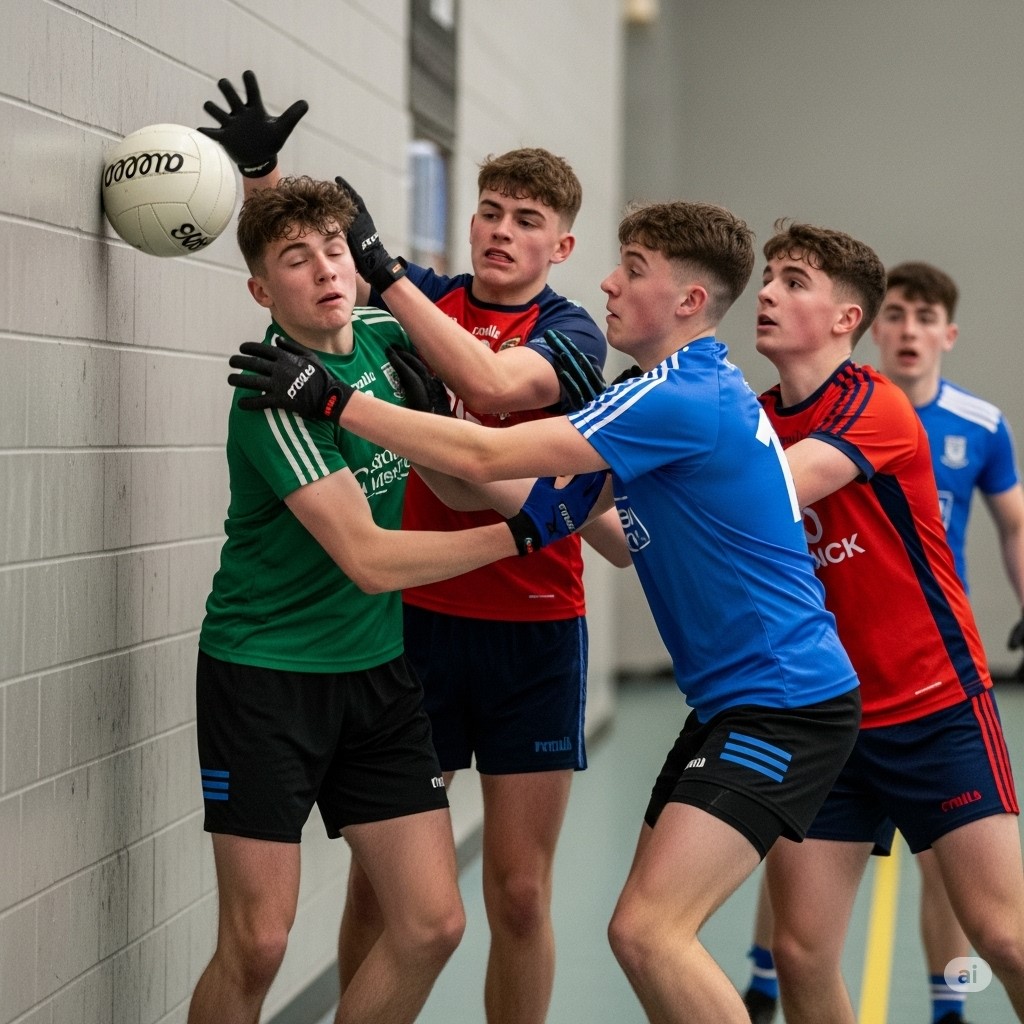
Youth engagement is crucial to the sport’s future. In Ireland, the GAA promotes handball through schools and clubs. Children as young as six learn the basics of the sport. Schools often have handball walls for training and competition.
Annual school tournaments bring excitement to students and communities. Teachers and local volunteers coach youth teams. These efforts build discipline, teamwork, and athletic skills.
Amateur leagues exist throughout Ireland. Community clubs provide training sessions, leagues, and events. These leagues include players of all ages and abilities. Many counties hold local championships, leading to provincial and national finals.
Outside of Ireland, Irish-American clubs promote youth engagement. In cities like Boston and Philadelphia, weekend youth camps introduce children to Gaelic Handball. Coaches with Irish roots foster a love of the game.
Professional Leagues and Competitions
While still amateur in many respects, competitive Gaelic Handball has professional elements. Ireland hosts major annual tournaments such as the All-Ireland Senior Singles and Doubles Championships. These events draw top talent and enthusiastic crowds.
The GAA organizes the sport’s national calendar. Provincial councils and clubs host smaller pro-level events. Sponsorship and prize money have grown in recent years. Athletes now train full-time or semi-professionally.
Internationally, the World Handball Council oversees global competitions. The World Handball Championships, held every three years, feature both Gaelic and international variants. These include 40×20 and One-Wall formats.
Players from Canada, the US, and Australia compete in these events. While they may play other handball forms, many respect Gaelic Handball’s rich tradition. Clubs in Spain and the Netherlands have also begun promoting handball leagues.
Efforts to professionalize Gaelic Handball include better training facilities, sponsorships, and broadcasting. However, most players still compete for passion and pride. The sport thrives on local support and community involvement.
Social and Political Significance
Gaelic Handball holds a unique place in Irish society. It represents tradition, national pride, and grassroots culture. Historically, the GAA promoted handball as part of Irish identity. This aligned with broader nationalist movements in the early 20th century.
Playing Gaelic sports was often seen as an act of cultural preservation. English games like cricket or rugby were discouraged in nationalist circles. Handball symbolized resistance and pride in Irish heritage.
Today, the sport continues to unite communities. Local clubs bring together players from different backgrounds. In urban areas, it offers youth a positive outlet. In rural towns, it preserves a link to the past.
Women’s participation has grown, with female leagues and events expanding. Inclusivity has become a core value. The sport also plays a role in cross-border cooperation. Handball leagues in Northern Ireland and the Republic hold joint events.
Charity matches and school programs use Gaelic Handball to promote health and community values. Politicians and public figures often support local handball initiatives. The sport serves as a symbol of Irish unity and resilience.
Rules and Gameplay of Gaelic Handball
Gaelic Handball can be played in three formats: 40×20, 60×30, and One-Wall. Each has specific dimensions and strategies. The 40×20 format is the most popular internationally.
In 40×20, two or four players compete in a walled court. The objective is to strike the ball with the hand so the opponent cannot return it. Games are usually played to 21 points. Matches are best of three games.
Players serve from a marked area. The ball must hit the front wall and land past the short line. If it fails, it’s a fault. After the serve, players alternate striking the ball before it bounces twice.
Games demand agility, stamina, and quick reflexes. Left and right hand skills are essential. Players must anticipate angles and rebound patterns. Shots include ceiling balls, kill shots, and passing shots.
In the 60×30 format, courts are larger. This suits older players or those favoring a traditional style. One-Wall Handball is the simplest and most accessible. It requires only one wall and is ideal for schools or outdoor play.
Protective gloves and eyewear are often used. Judges monitor matches for faults and scoring. Official balls are made from rubber and differ by court type. Tournaments follow GAA and World Handball Council rules.
Training focuses on conditioning, footwork, and hand-eye coordination. Video analysis helps elite players refine strategies. Mental toughness is also vital in close matches.
Conclusion
Gaelic Handball blends history, culture, and sport into one dynamic package. It began in ancient Irish communities and has spread globally. From local school walls to international arenas, the sport connects people across generations and borders.
The amateur and professional scenes continue to grow. Youth programs, global competitions, and digital outreach are expanding its reach. As the sport modernizes, its traditional roots remain strong.
With clear rules, exciting gameplay, and deep cultural ties, Gaelic Handball deserves wider recognition. For fans and newcomers alike, it offers a thrilling and meaningful sporting experience. Whether played in a village court or on the world stage, Gaelic Handball continues to inspire.