
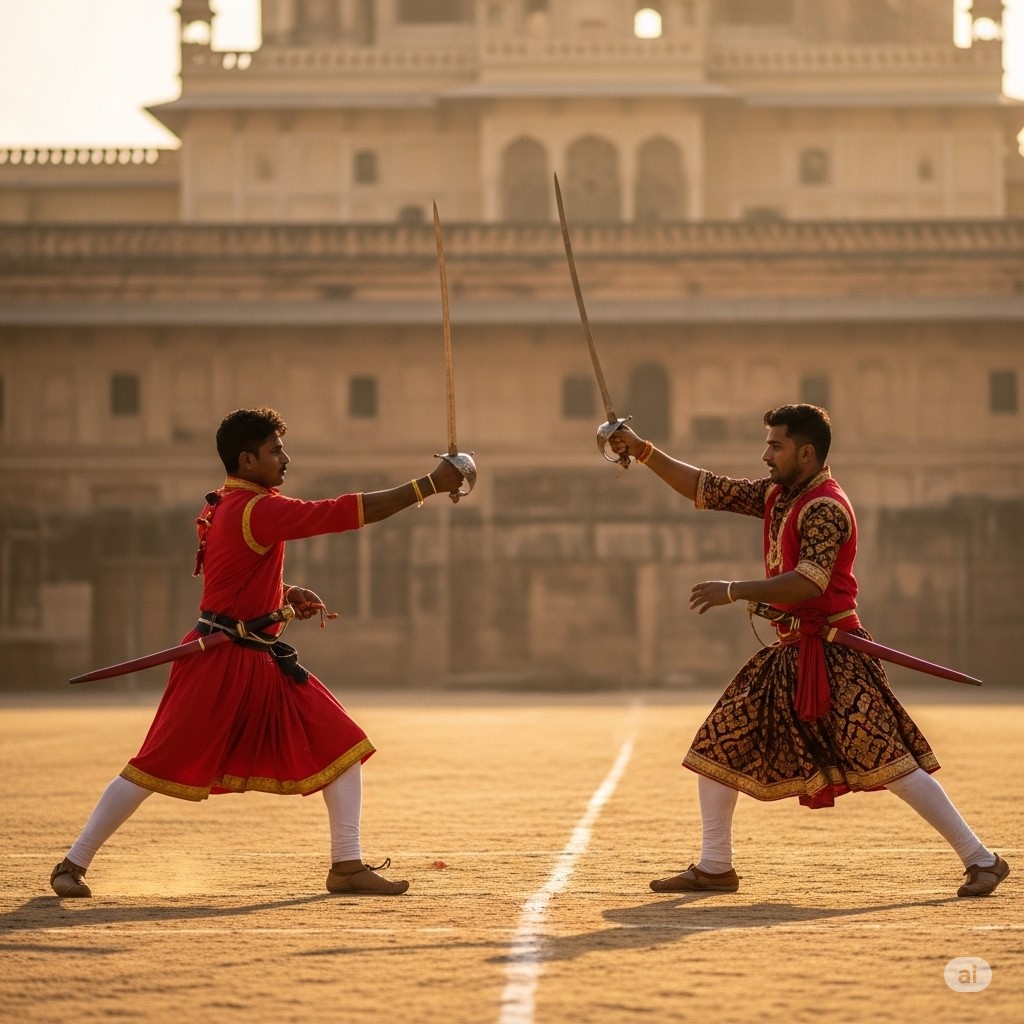
The Enigmatic Sport of Gatka: A Comprehensive Exploration
Gatka is an ancient martial art that has transcended centuries to become a modern-day sport. Rooted in the Sikh tradition, this captivating sport combines physical prowess, spiritual discipline, and cultural heritage. Despite its rich history, it has only recently gained recognition on a global scale. Its unique blend of athleticism and artistry appeals to people across age groups and backgrounds. This article delves into the fascinating history of Gatka, its rise in popularity, and its significance in today’s world.
The Origins and History of Gatka
The origins trace back to the Indian subcontinent, where it emerged as a martial art practiced by Sikh warriors. Its roots are deeply embedded in the spiritual and military traditions of the Sikhs. Guru Hargobind, the sixth Sikh Guru, introduced the concept of Miri-Piri, blending martial and spiritual pursuits. Under his guidance, Gatka evolved as a means to defend justice and uphold righteousness.
During the Mughal era, Sikh warriors used Gatka to protect their communities and fight oppression. The art form thrived during the leadership of Guru Gobind Singh, who formalized the Khalsa tradition. He emphasized the importance of physical training and weapon mastery. It became an integral part of the Sikh warrior’s arsenal, combining grace, agility, and strategy.
The British colonial period marked a decline in the practice of Gatka. Martial arts were discouraged, and the art form was confined to religious and cultural ceremonies. However, the resilience of Sikh communities ensured its survival. In the 20th century, efforts to revive it gained momentum, turning it into both a cultural symbol and a competitive sport.
The Global Popularity of Gatka
In recent decades, it has gained global recognition. Enthusiasts and practitioners from various countries have embraced it as a cultural and sporting phenomenon. Regions with significant Sikh populations, such as North America, Europe, and Australia, have become hubs for Gatka events.
The sport’s universal appeal lies in its inclusivity. Tournaments and workshops are often open to participants of all backgrounds. This inclusivity has fostered cross-cultural exchanges, making Gatka a symbol of unity. Events like the World Gatka Federation Championships attract international participants, further cementing its global status.
Moreover, Gatka demonstrations during cultural festivals and religious gatherings have captivated audiences worldwide. These exhibitions showcase not only the athleticism but also the spiritual essence of the sport. Social media platforms have played a pivotal role in spreading awareness about Gatka, with videos and tutorials reaching millions of viewers.
Amateur Gatka: Youth and Schools
Amateur Gatka thrives in schools, youth clubs, and community centers. Educational institutions in regions with Sikh communities often include it in their extracurricular activities. It serves as a medium to instill discipline, physical fitness, and cultural awareness among young participants.
Youth tournaments and inter-school competitions provide a platform for budding athletes to showcase their skills. Coaches and mentors emphasize the values of respect, humility, and teamwork. Gatka training often begins at an early age, with students learning basic stances, footwork, and weapon handling. Progression to advanced techniques is gradual, ensuring safety and skill development.
Workshops and summer camps dedicated to Gatka attract participants from diverse backgrounds. These programs create opportunities for cultural exchange and foster a sense of community. As a result, it has become a tool for promoting inclusivity and bridging cultural divides.
Professional Leagues and Tournaments
Professional leagues and tournaments have elevated the sport to new heights. Organizations like the World Gatka Federation (WGF) and Gatka Association of India (GAI) play a crucial role in organizing events and standardizing rules. These bodies aim to professionalize the sport and expand its reach.
Leagues feature teams representing different regions or communities, competing in a structured format. Matches are broadcasted online, attracting global audiences and sponsors. Prominent tournaments include the World Gatka Championship and the All-India Gatka Tournament. These events not only showcase elite talent but also inspire amateur players to pursue the sport professionally.
Efforts are underway to include it in international multi-sport events such as the Asian Games. Recognition by global sports organizations would further legitimize its status as a competitive discipline. The rise of professional Gatka leagues has also encouraged innovations in training techniques, equipment, and event management.
Political and Social Significance of Gatka
Gatka holds immense political and social significance, particularly within the Sikh community. It symbolizes resilience, justice, and spiritual discipline. Historically, it served as a tool for self-defense and resistance against oppression. Today, it remains a source of pride and cultural identity for Sikhs worldwide.
The sport also promotes gender equality. Women have actively participated in Gatka, breaking stereotypes and challenging societal norms. Female practitioners are celebrated for their contributions, inspiring future generations to embrace the sport.
In addition to cultural preservation, Gatka has become a medium for social change. Non-governmental organizations and community groups use Gatka workshops to engage youth and deter them from negative influences. The sport’s emphasis on discipline and ethical conduct makes it a powerful tool for character building.
Furthermore, Gatka events often serve as platforms for addressing social issues. Themes such as unity, justice, and equality resonate deeply with audiences, making these gatherings impactful beyond the sporting arena.
Rules and Structure of Gatka
Matches are governed by a standardized set of rules, ensuring fairness and safety. Participants compete individually or in teams, using wooden sticks (representing swords) and protective gear. Matches are held in a circular arena, with judges and referees overseeing the proceedings.
The primary objective is to strike the opponent’s target areas while defending one’s own. Points are awarded based on accuracy, technique, and control. Excessive force or unsportsmanlike conduct results in penalties.
Competitors demonstrate various techniques, including spinning, dodging, and counter-attacking. Matches are fast-paced, requiring quick reflexes and strategic thinking. The emphasis on skill and precision makes Gatka a spectator-friendly sport.
Safety measures are paramount. Participants wear padded jackets, helmets, and gloves to minimize the risk of injury. Training sessions focus on mastering basic movements and understanding the rules before progressing to competitive matches. Coaches and referees play a vital role in ensuring a safe and enjoyable experience for all involved.
Conclusion
Gatka is more than just a sport; it is a celebration of heritage, discipline, and unity. Its journey from ancient battlefields to modern arenas is a testament to its enduring appeal. As it continues to gain global recognition, it has the potential to inspire millions with its rich history and values. Whether practiced for competition or cultural preservation, Gatka remains a symbol of resilience and excellence. This ancient martial art, deeply rooted in tradition, has successfully evolved into a dynamic and inclusive sport for the modern era.