
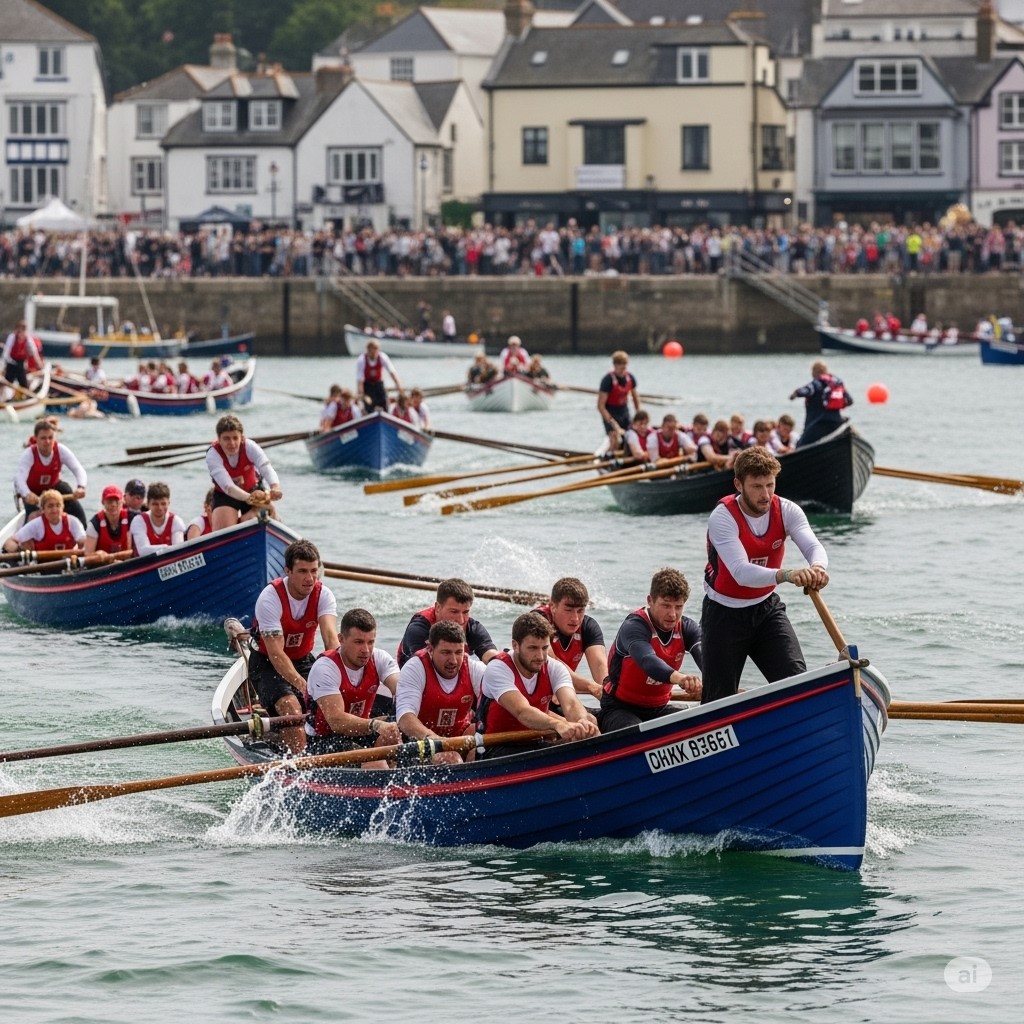
The Thrilling World of Gig Racing
Gig Racing, a captivating and competitive water sport, has gained immense popularity over the centuries. Rooted in maritime history, this sport combines physical endurance, teamwork, and tradition. In modern times, it continues to thrive, drawing enthusiasts from across the globe. This blog explores the origins, global appeal, amateur participation, professional leagues, social significance, and rules that define Gig Racing.
The Origins and History of Gig Racing
The sport dates back to the 18th century. It emerged in coastal communities in the United Kingdom, particularly Cornwall and the Isles of Scilly. Gig boats, originally designed for practical maritime purposes, served as lifeboats or pilot vessels. These wooden boats needed to be fast and agile to navigate treacherous waters and reach incoming ships first. Pilots would row their gigs out to meet ships, vying for business in competitive conditions.
Over time, these races evolved into a recreational activity. Communities began organizing events to test the skill and speed of rowers. By the 19th century, Gig Racing had become a popular pastime in Cornwall and nearby regions. These early races laid the foundation for the structured sport we recognize today.
Global Popularity
Although its roots lie in the UK, it has expanded globally. Coastal regions with a rich maritime culture have embraced the sport. Countries like Australia, the United States, Ireland, and the Netherlands now host regular competitions. Each region adds unique elements to the sport, reflecting local traditions and values.
In the UK, the Isles of Scilly Championship is a premier event. This annual competition attracts thousands of spectators and participants. Across the Atlantic, communities in New England and the Pacific Northwest have adopted Gig Racing. Clubs in these areas emphasize camaraderie and physical fitness.
Australia, with its extensive coastline, has also seen a surge in interest. Rowing clubs in cities like Sydney and Melbourne incorporate gig boats into their training. Meanwhile, Ireland’s coastal communities have blended traditional currach rowing with Gig Racing. This cultural integration highlights the sport’s adaptability and universal appeal.
Amateur Gig Racing: Youth and School Participation
Amateur Gig Racing serves as a gateway for young enthusiasts to enter the sport. Schools and youth programs across coastal regions introduce students to rowing. These initiatives focus on skill development, teamwork, and physical fitness. Young rowers often train in modified gig boats designed for beginners, ensuring safety and accessibility.
In the UK, many secondary schools collaborate with local rowing clubs. Students participate in inter-school competitions, fostering healthy rivalry and community spirit. These events often include both boys’ and girls’ teams, promoting inclusivity.
Similarly, in the United States, rowing clubs host youth leagues. Programs like these offer structured training sessions, culminating in local and regional races. Australia and Ireland have also followed suit. Schools in coastal towns encourage participation, integrating Gig Racing into physical education curricula. This grassroots development ensures the sport’s longevity and growth.
Professional Leagues in Gig Racing
Professional leagues have elevated Gig Racing to a new level of prominence. These leagues feature skilled rowers competing in high-stakes events. In the UK, the Cornish Pilot Gig Association (CPGA) oversees many professional races. The association sets standards for boat construction, competition rules, and rower eligibility.
In the Isles of Scilly, the World Pilot Gig Championships represent the pinnacle of professional competition. Teams from around the world gather to showcase their prowess. The event features both men’s and women’s races, highlighting the sport’s inclusivity.
Elsewhere, countries like Australia and the United States have established regional leagues. These organizations host seasonal tournaments, attracting local and international talent. Professional leagues not only provide a platform for elite athletes but also inspire amateur rowers to pursue excellence.
The Social and Political Significance
Gig Racing holds profound social and political importance. Historically, it symbolized resilience and resourcefulness in maritime communities. Today, it fosters community spirit and international cooperation. Events like the Isles of Scilly Championship bring together diverse cultures, promoting unity through sport.
Politically, the sport has played a role in preserving maritime heritage. Governments and cultural organizations often support Gig Racing events. These initiatives emphasize the importance of coastal traditions. Moreover, they highlight the environmental significance of maintaining clean and navigable waters.
Socially, the sport bridges generational gaps. Elderly rowers often mentor younger participants, passing down techniques and stories. This exchange strengthens community bonds and preserves the sport’s legacy. Additionally, Gig Racing provides a platform for charitable initiatives. Many events raise funds for local causes, combining athleticism with philanthropy.
Rules of Gig Racing
Understanding the rules is essential for participants and spectators. Races typically involve six rowers and a coxswain in a gig boat. The coxswain steers the boat and provides direction. Teams compete over a set distance, often between one and three miles.
Boats must adhere to strict construction standards. Traditional gigs are made of wood and measure approximately 32 feet in length. Modern replicas maintain these dimensions to ensure fairness.
The race begins with all boats aligned at a starting line. A signal, usually a gunshot or horn, marks the start. Rowers must synchronize their strokes, maintaining balance and speed. The first team to cross the finish line wins. In professional competitions, photo finishes may determine results.
Penalties are imposed for rule violations. Common infractions include unsportsmanlike conduct, interference with other boats, and incorrect boat positioning. Teams found guilty of these actions may face disqualification.
The Future of Gig Racing
The future of Gig Racing appears bright. With growing global interest, the sport continues to attract new participants and fans. Efforts to promote inclusivity and environmental awareness have further enhanced its appeal. By preserving its rich history while embracing innovation, Gig Racing ensures its relevance for generations to come.
In conclusion, Gig Racing represents more than just a sport. It embodies tradition, community, and perseverance. Whether through amateur leagues, professional competitions, or cultural celebrations, this timeless activity inspires all who encounter it. From its historic roots to its global presence, Gig Racing remains a testament to the enduring spirit of maritime adventure.