The Ancient Viking Sport of Glima: A Complete Guide
Glima is an ancient form of wrestling that dates back to the Viking Age. This Nordic martial art has survived centuries of change. It continues to hold cultural and athletic significance in modern times. It was once a vital part of Viking society. Today, it maintains a dedicated following in parts of Scandinavia and around the world. Understanding Glima means exploring its deep roots, widespread influence, and modern-day appeal. This guide will walk you through its rich history, current popularity, amateur and professional structures, political and social relevance, and the rules that define it.
The Origins and History
It originated in the Viking Age, around 800 AD. It was more than a sport for Vikings. They used it as a form of combat training. Glima helped warriors build strength, agility, and balance. Norse sagas often mention it, highlighting its importance in Viking culture.
Vikings introduced Glima to the regions they explored. This includes areas like the British Isles, Greenland, and parts of North America. The word “Glima” itself comes from Old Norse, meaning a flash or glimpse. This reflects the quick and skillful nature of the sport.
During the Christianization of Scandinavia, many pagan traditions were lost. However, Glima persisted. Iceland, in particular, preserved the practice. It became part of their national identity. The Icelandic sagas continued to reference Glima, cementing its place in history.
In the 20th century, efforts to revive it gained momentum. Iceland formally organized it as a sport. The Icelandic Wrestling Association played a key role in its modern development. Today, Glima is both a historical practice and a competitive sport.
Global Popularity of Glima
Although it remains most popular in Iceland, it has reached audiences globally. Scandinavian diaspora communities in Canada and the United States have embraced it. Cultural festivals in these countries often feature Glima demonstrations.
In Norway and Sweden, national sports organizations promote Glima. They include it in martial arts exhibitions and historical reenactments. Interest has also grown in Germany, the UK, and even Japan. There, traditional martial arts enthusiasts appreciate its historical roots.
Online platforms have helped spread awareness. YouTube tutorials and documentaries have educated millions about Glima. Social media has connected fans and practitioners. These channels have allowed the sport to gain traction outside its traditional boundaries.
International competitions have emerged. Iceland often hosts global tournaments. Participants come from across Europe, North America, and Asia. These events showcase the growing international appeal of the sport.
Amateur Glima: Youth, Schools, and Communities
Amateur Glima thrives in schools, clubs, and local communities. Iceland includes Glima in its physical education curriculum. Students learn not only techniques but also values like respect and discipline.
Clubs play a central role in nurturing young talent. They offer regular training sessions and organize regional tournaments. In Norway and Sweden, clubs work closely with schools. This integration helps children learn about their cultural heritage.
Outside Scandinavia, cultural centers offer Glima workshops. These programs target both youth and adults. In North America, Viking reenactment groups provide training. They also host friendly matches during festivals.
Amateur leagues provide structure. They ensure consistent training standards and fair competition. These leagues often feed into national teams. From there, top athletes move on to international competitions.
Volunteers and community leaders drive these efforts. They organize events, coach students, and maintain traditional values. Their dedication ensures Glima’s survival at the grassroots level.
Professional Glima Leagues Around the World
Professional Glima remains relatively niche. However, several organized leagues operate internationally. The Icelandic Wrestling Association oversees the top-tier competitions in Iceland. It sets the standard for rules, athlete conduct, and event organization.
In Norway, the Norges Bryteforbund (Norwegian Wrestling Federation) supports Glima under its martial arts division. It provides funding, facilities, and media coverage. This support has helped elevate the sport’s profile.
Sweden hosts an annual Scandinavian Glima Championship. It draws competitors from across the region. This event has grown steadily in prestige and popularity.
Internationally, the European Glima Federation coordinates events. It works with local organizations to promote standardization. These efforts have made it easier for athletes to compete across borders.
Online platforms like Twitch and YouTube stream matches. Sponsorship deals, though limited, are increasing. Sportswear brands and cultural organizations have begun backing teams and athletes.
The Political and Social Significance of Glima
It plays an important role in preserving Nordic culture. Governments in Iceland and Norway recognize it as part of their intangible cultural heritage. It receives funding for education and cultural promotion.
Politically, Glima represents national identity. During periods of foreign rule, Icelanders used it as a symbol of resistance. Practicing Glima became a quiet form of protest and cultural assertion.
Socially, it promotes inclusivity and community. Clubs welcome participants of all ages and backgrounds. Women’s participation has increased significantly in recent years. Many events now feature mixed-gender competitions.
Glima also strengthens intergenerational bonds. Older practitioners mentor younger ones. Families often train together. This fosters a strong sense of belonging and cultural pride.
Glima has even contributed to social development projects. In underserved communities, it provides youth with structure and purpose. NGOs in Scandinavia support these initiatives, using Glima to promote social cohesion.
Rules and Techniques of Glima
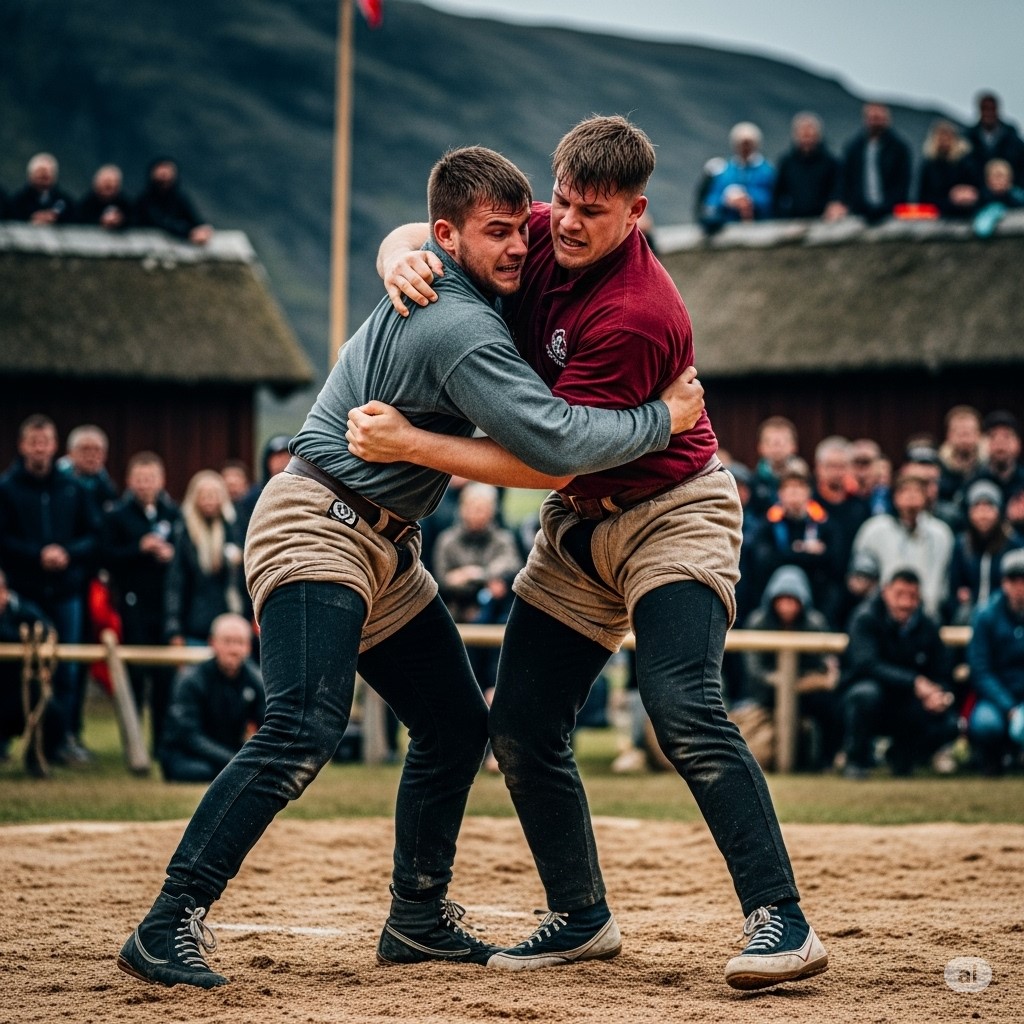
Glima focuses on balance, agility, and technique. The objective is to make the opponent lose balance. Points are awarded for clean throws without aggression.
There are several types of Glima. The most common is “Lausatök” or free-grip Glima. In this style, opponents may use any grip. They must, however, remain upright. Bending over or using excessive force results in penalties.
Another style is “Hryggspenna” or back-hold Glima. Here, wrestlers maintain a fixed grip. They circle each other in a clockwise direction. This method tests skill, timing, and precision.
Matches begin with a bow, showing mutual respect. The referee ensures rules are followed. Points are scored through throws, balance, and control.
Aggressive behavior is penalized. It emphasizes honor and sportsmanship. Strikes and joint locks are forbidden. The goal is not to hurt, but to outmaneuver.
Athletes wear traditional gear. This includes a belt and shorts. In formal matches, competitors wear a specific harness. It allows for regulated grips and techniques.
Training involves physical conditioning, technique drills, and sparring. Practitioners also study old texts and oral traditions. This connects them to the sport’s historical roots.
Tournaments follow a round-robin format. This ensures each competitor faces multiple opponents. Final rankings are based on accumulated points.
Referees receive specialized training. They learn to identify legal moves, infractions, and scoring techniques. Their role is crucial in maintaining the sport’s integrity.
Conclusion
Glima offers a unique blend of athleticism, history, and culture. From its Viking origins to its modern-day practice, it reflects the resilience and pride of the Nordic people. The sport has gained international attention, thanks to dedicated communities and global outreach.
Youth programs, amateur clubs, and professional leagues all contribute to its growth. Politically and socially, it holds deep significance. It connects people to their heritage while promoting values like respect and unity.
With clear rules and a strong ethical foundation, Glima stands out among combat sports. As interest grows worldwide, it continues to inspire new generations. This ancient sport, rooted in history, is proving its relevance in the modern age.