
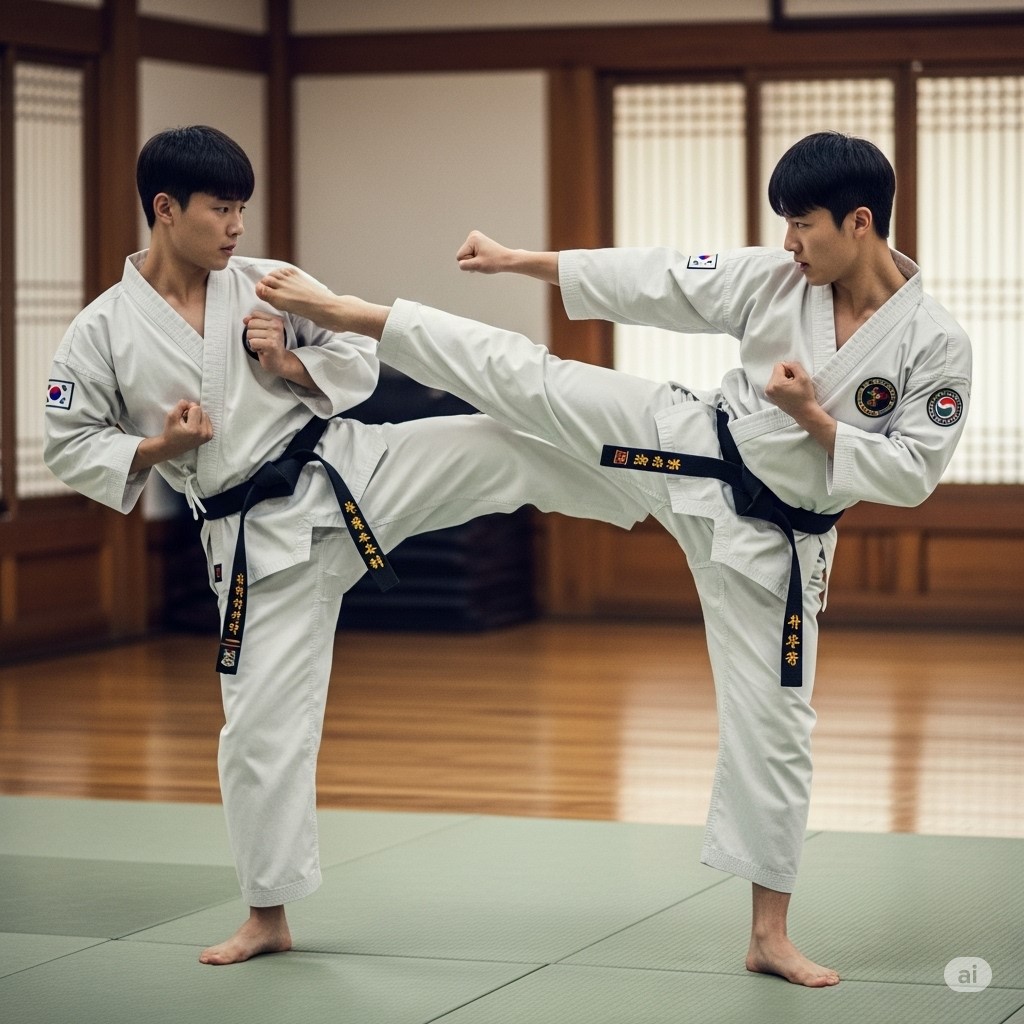
Hapkido: A Deep Dive into the Dynamic Korean Martial Art
Hapkido is a dynamic Korean martial art that blends powerful strikes, joint locks, and fluid throws. Developed with both combat effectiveness and personal discipline in mind, it serves multiple purposes. Practitioners learn self-defense, cultivate mental strength, and gain physical fitness. This comprehensive blog explores the origin, evolution, rules, and global reach of Hapkido. It also sheds light on how the sport is practiced at amateur and professional levels. Additionally, it discusses the social and political relevance of this fascinating martial art.
The Origins and Historical Evolution of Hapkido
The roots of trace back to the early 20th century. Its origins are often linked to Choi Yong-Sool, a Korean martial artist who returned to Korea after living in Japan. There, he had reportedly studied Daitō-ryū Aiki-jūjutsu under Sokaku Takeda. After World War II, Choi began teaching a hybrid martial art that blended Japanese techniques with native Korean fighting methods.
Choi’s early students were instrumental in shaping Hapkido. Among the most notable was Ji Han-Jae, who added kicks, weapons, and spiritual elements. Ji coined the term “Hapkido,” combining three Korean words: “hap” (harmony), “ki” (energy), and “do” (way). The term suggests the art’s core philosophy—the way of coordinated energy.
It developed during a turbulent period in Korea’s history. Post-war Korea saw a revival of cultural identity. Martial arts became a symbol of national pride. Unlike Taekwondo, which focused on sport and Olympic recognition, Hapkido maintained its self-defense roots. It absorbed techniques from traditional Korean arts like Taekkyeon and Subak.
During the 1960s and 1970s, it spread to the United States and Europe. Korean instructors opened dojangs (training halls) abroad, often teaching military personnel. From these small roots, a global network of schools emerged.
Global Popularity and Spread of Hapkido
Today, it is practiced on every continent. Its appeal lies in its versatility and comprehensive training. Students learn kicks, punches, throws, locks, and weapon techniques. The art attracts people seeking self-defense, discipline, and a holistic martial experience.
South Korea remains the epicenter of Hapkido. The Korea Hapkido Federation (KHF) and other national organizations oversee training standards and certification. These organizations conduct seminars and competitions, attracting practitioners from around the world.
In the United States, the art gained popularity through Korean immigrants and veterans who trained in Asia. Today, hundreds of dojangs operate in cities across the country. The American Hapkido Federation and United States Hapkido Association govern many of these.
Europe also boasts a strong Hapkido presence. Countries like Germany, France, and the United Kingdom have active national federations. Regular seminars, ranking exams, and tournaments keep practitioners engaged and progressing.
In Latin America, Brazil and Argentina lead in Hapkido growth. Instructors certified in Korea or the United States have launched schools throughout these countries. Additionally, African nations like South Africa and Nigeria are seeing increasing interest. This global footprint highlights the sport’s universal appeal.
Hapkido in Youth Programs and Schools
Amateur Hapkido thrives in youth programs, schools, and community centers. Many dojangs offer classes for children as young as five. These programs emphasize respect, discipline, and fitness. Unlike some martial arts that focus heavily on competition, it places equal value on character development.
In South Korea, it is often part of physical education curricula. Some universities even offer degrees in martial arts, including Hapkido. This academic inclusion fosters professional development and research in the sport.
In the United States and Canada, after-school programs frequently include martial arts. Hapkido stands out for its practical self-defense focus. Students learn how to fall safely, escape from grabs, and defend against attacks.
Schools in Europe and Australia have followed similar patterns. Many public and private institutions now collaborate with martial arts academies. These partnerships offer students structured, progressive training. Belt ranking systems provide motivation and clear goals.
Amateur tournaments give youth and adult practitioners a platform to test skills. Competitions often include forms (hyung), self-defense demonstrations, and sparring. These events encourage sportsmanship and build community.
Professional Leagues and Organizations
Professional Hapkido remains more niche compared to sports like MMA or boxing. However, organized leagues and federations continue to grow. The Korea Hapkido Federation (KHF) is the most recognized governing body. It certifies instructors, oversees rank promotions, and hosts international events.
The World Hapkido Federation (WHF) and International Hapkido Federation (IHF) are also influential. These bodies host world championships and instructor certification seminars. Their global events attract participants from dozens of countries.
While it lacks a unified global league, regional tournaments fill that role. In the United States, the U.S. Open Hapkido Championships gather top talent annually. These events feature point sparring, weapons forms, and board breaking.
South Korea’s national competitions receive government support and media coverage. Champions often receive scholarships or military exemptions. This recognition helps promote the sport among younger generations.
Some practitioners cross over into professional fighting circuits. Hapkido’s joint locks and throws adapt well to MMA. Fighters with Hapkido backgrounds often display strong grappling and defensive skills.
Social and Political Significance of Hapkido
It holds deep social significance in Korea and abroad. It promotes core values such as respect, humility, and perseverance. Practitioners carry these traits into daily life, strengthening families and communities.
The art also serves as a tool for social change. Programs in inner-city neighborhoods offer Hapkido as an alternative to violence. Youths gain confidence, discipline, and a sense of purpose. Veterans and trauma survivors use it as therapy. The physical activity and mental focus aid emotional healing.
In South Korea, it plays a role in diplomacy. Demonstration teams travel globally, showcasing Korean culture. These performances foster international goodwill. Governments often include Hapkido in cultural exchange initiatives.
Hapkido’s roots in Korean history contribute to national identity. It reflects resilience, adaptability, and innovation. These qualities resonate with citizens and elevate the sport’s status. Politically, martial arts have served as soft power tools. Hapkido joins Taekwondo in this diplomatic role.
Rules and Structure of Hapkido Practice
Hapkido practice combines structured curriculum and philosophical principles. Classes typically begin with warm-ups, stretching, and basic techniques. These include punches, kicks, and breakfalls.
Next, students practice self-defense scenarios. They learn to respond to grabs, punches, and weapon threats. Techniques emphasize leverage and redirection, not brute force. Joint locks, pressure points, and throws neutralize attackers effectively.
Forms (hyung) are choreographed patterns that build coordination and memory. Each belt level has specific forms. These routines teach timing, balance, and precision.
Sparring is usually semi-contact or point-based. Protective gear is worn. Competitors score points for clean, controlled strikes and successful techniques. Grappling and joint locks are allowed but must be executed safely.
Weapons training forms another core aspect. Students may learn staff (bong), short stick (dan bong), cane (ji pang ee), and knife techniques. These tools expand coordination and adaptability.
Promotion tests involve a mix of physical demonstrations and theoretical knowledge. Students must show techniques, perform forms, and sometimes write essays. These evaluations ensure well-rounded development.
Etiquette plays a vital role in Hapkido. Students bow to instructors and training partners. They maintain clean uniforms and show respect at all times. These customs reinforce humility and discipline.
Hapkido in the Modern World
In today’s fast-paced society, it offers a valuable balance. It teaches calm under pressure and control in chaos. These skills are increasingly relevant in personal and professional life.
The rise of digital distractions makes physical training more important than ever. Hapkido demands full attention. Practicing regularly improves focus, stamina, and mental clarity.
As global awareness of personal safety grows, demand for effective self-defense rises. Hapkido meets this need. It provides practical, real-world techniques that empower individuals.
Parents value Hapkido for their children. It instills respect and responsibility. Unlike sports that prioritize winning, it emphasizes self-improvement. This mindset encourages lifelong learning.
Corporate wellness programs now include martial arts. Hapkido sessions reduce stress, build teamwork, and enhance productivity. Companies recognize its holistic benefits.
Conclusion
Hapkido is more than a martial art. It is a journey of self-discovery, discipline, and empowerment. From its humble beginnings in post-war Korea to its global presence today, the art continues to evolve. Its blend of tradition, effectiveness, and philosophy attracts a diverse following.
With roots in ancient techniques and eyes on the future, Hapkido bridges cultures and generations. Whether practiced in a Korean university, an American dojang, or a European community center, it enriches lives.
As more people seek balance, strength, and purpose, Hapkido stands ready to deliver. Its techniques defend the body and its principles strengthen the mind. Its practice shapes the spirit.
Hapkido continues to thrive as a respected, dynamic, and globally practiced martial art.