High Bar: The Story, Significance, and Global Reach of a Premier Gymnastics Event
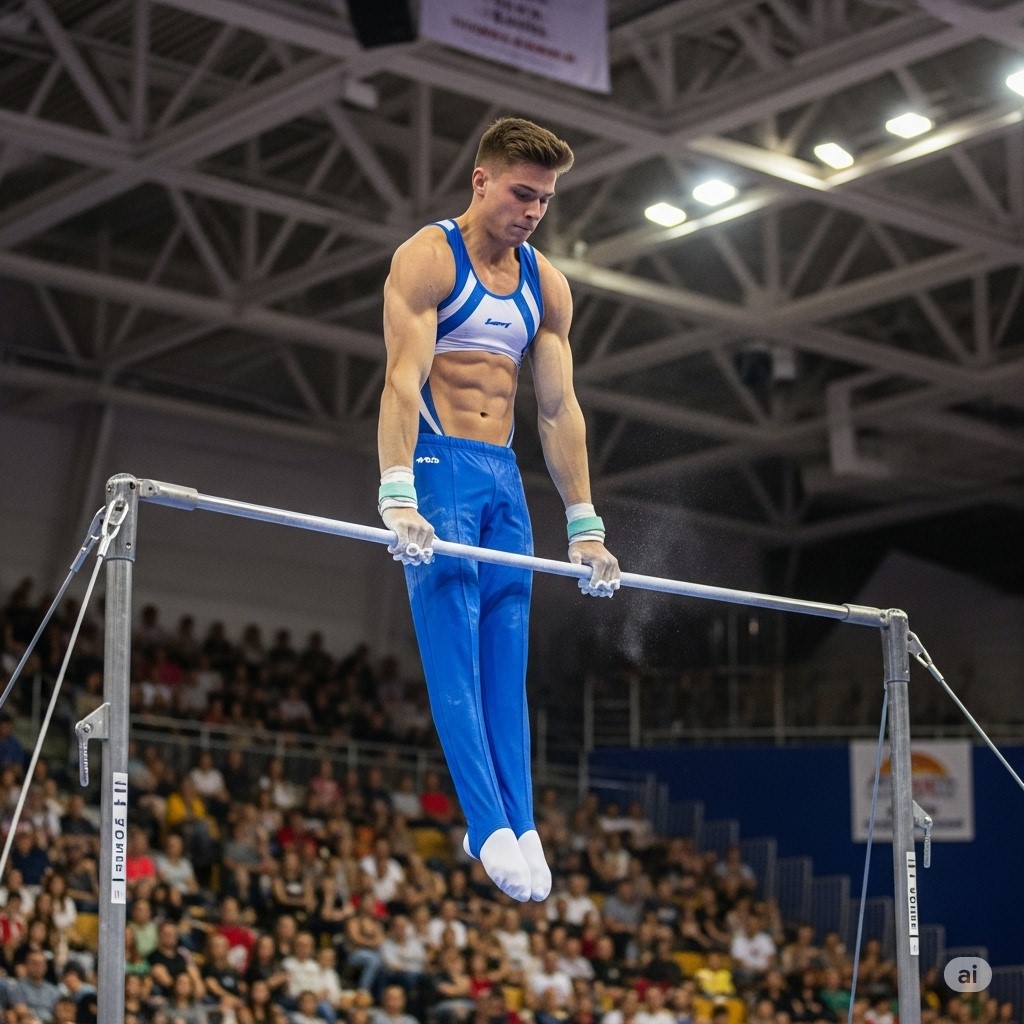
The sport of High Bar holds a special place in the world of gymnastics. Also known as horizontal bar, it is one of the most thrilling and dynamic events in men’s artistic gymnastics. High Bar combines athleticism, timing, courage, and elegance. Over the years, it has grown from a simple training tool into a globally celebrated competition event. This blog post will explore the origin and evolution of High Bar, its international popularity, amateur development, professional leagues, cultural impact, and official rules. The term “High Bar” will guide this deep dive into one of gymnastics’ most captivating events.
Origins and Historical Development
High Bar traces its roots to 19th-century Europe. German educator Friedrich Ludwig Jahn, often called the “father of gymnastics,” introduced it. Jahn developed it as a means of physical education and national pride in Prussia. His Turnplatz, or open-air gymnasium, included several apparatuses, including the High Bar.
Initially, it served as a tool for building upper body strength and improving coordination. Over time, the apparatus gained popularity in gymnastic societies across Europe. By the mid-1800s, formal competitions included High Bar routines. Switzerland, Austria, and Germany led in developing techniques and judging criteria.
When the modern Olympic Games launched in 1896, men’s artistic gymnastics was a featured event. The High Bar became an official Olympic discipline in 1924. Since then, it has remained a staple in international competitions. Iconic athletes such as Akinori Nakayama, Vitaly Scherbo, and Epke Zonderland have left lasting marks with their daring performances.
Global Popularity and Geographic Spread
Today, High Bar is recognized and practiced worldwide. Gymnastics federations on every continent promote and support the event. Countries such as the United States, Russia, China, Japan, and Brazil have strong traditions in the sport.
In Europe, gymnastics clubs are common in both cities and rural areas. Germany, the United Kingdom, Italy, and France have robust development programs. In Asia, China and Japan have produced many Olympic champions. These nations invest heavily in youth training and facilities.
North America shows growing enthusiasm. The United States and Canada both host national championships featuring the High Bar. South American countries like Brazil and Argentina are emerging powers. Africa and Oceania are building capacity through regional collaborations and international aid.
Major international tournaments draw millions of viewers. The World Artistic Gymnastics Championships, held annually, includes the High Bar as a marquee event. The Olympics remains the pinnacle of competition. Spectators worldwide tune in to witness breathtaking routines.
Amateur Participation: Youth, Schools, and Clubs
High Bar is introduced to young athletes early. Many begin training as young as five or six years old. In local gymnastics clubs, kids learn basic grip strength and body control. Coaches emphasize safety and gradual skill progression.
School systems in countries like Russia, China, and Romania integrate gymnastics into physical education. Specialized schools focus on elite athlete development. Students train multiple hours daily, balancing academics and athletics.
In the United States, community gymnastics centers offer recreational and competitive programs. Boys can join structured teams by age eight or nine. Regional competitions lead to state and national championships. Amateur athletes can earn college scholarships through the NCAA system.
Private clubs often play a central role in youth development. These clubs offer personalized coaching and access to professional-grade equipment. They also host invitational meets, fostering camaraderie and exposure.
Programs like USA Gymnastics’ Junior Olympic Program outline progressive skill levels. Athletes must master specific elements before advancing. This ensures safety and technical growth. Similar frameworks exist in Canada, Australia, and several European nations.
Professional Leagues and Elite Competitions
While gymnastics lacks franchise-style professional leagues like football or basketball, it features elite global circuits. The Fédération Internationale de Gymnastique (FIG) governs the sport internationally. FIG sanctions the Artistic Gymnastics World Cup Series, which includes High Bar events.
National federations organize their own championships. Russia’s Spartakiad and China’s National Games highlight top-tier competition. These events showcase senior gymnasts and attract major media coverage.
The Olympic Games remain the most prestigious platform. Only the best qualify through rigorous international trials. The High Bar final is often among the most anticipated moments of the gymnastics schedule.
Other notable competitions include the Pan American Games, European Championships, and Asian Games. Each features national teams competing in High Bar among other apparatus events.
Gymnastics Superstars like Kohei Uchimura and Epke Zonderland elevate the sport’s visibility. Their performances are widely shared on social media, drawing new fans and inspiring young athletes.
Sponsorship and endorsements provide financial support for elite gymnasts. Shoe brands, athletic wear companies, and even tech firms invest in top performers. This professionalization enhances the sport’s credibility and reach.
Social and Political Significance
High Bar, like many sports, transcends competition. It plays a role in diplomacy, national identity, and social inclusion. Gymnasts often represent their country on the world stage, becoming cultural ambassadors.
During the Cold War, gymnastics symbolized ideological competition. The Soviet Union and the United States used sports success to assert national superiority. High Bar champions were national heroes, feted by their governments.
Today, gymnastics fosters unity and shared values. Events like the Youth Olympic Games encourage intercultural exchange. Athletes forge friendships that cross borders and beliefs.
Socially, High Bar promotes discipline, resilience, and teamwork. These values benefit young people beyond the gym. Participation builds confidence and improves physical health. In underserved communities, gymnastics programs offer safe, structured activity.
Efforts to include athletes with disabilities have grown. Adaptive gymnastics programs make the sport more inclusive. Initiatives in countries like Canada, Germany, and South Korea champion accessibility.
Gender equality remains a topic of discussion. While High Bar is traditionally a men’s event, advocates push for greater visibility for women’s apparatus events. These conversations reflect broader societal shifts.
Detailed Rules and Scoring System
High Bar routines must follow strict guidelines. The apparatus consists of a steel bar suspended about 2.8 meters above the floor. The bar is 2.4 centimeters in diameter and 2.4 meters long.
Each routine lasts about 30–60 seconds. Gymnasts perform a series of skills: swings, releases, catches, and dismounts. Judges score based on difficulty, execution, and artistry.
There are two main components to the score:
- Difficulty Score (D-score): This includes the value of the elements and composition.
- Execution Score (E-score): Starting from 10.0, deductions are taken for form breaks, poor technique, or balance issues.
The final score is the sum of D and E. The highest score wins. Ties are broken by higher execution scores.
Release moves are the highlight of High Bar. These include the Tkatchev, Kovacs, and Cassina. Gymnasts let go of the bar, perform flips or twists, and re-grasp it. Precision is vital.
Dismounts end the routine. Athletes must stick the landing for maximum points. Falling or taking a step causes deductions. A clean finish can sway judges.
Gymnasts must avoid repeated elements. Variety is rewarded. Judges also look for fluid transitions and rhythm. The routine should be continuous and dynamic.
Safety is a top priority. Spotting mats, chalk, and high-quality grips reduce injury risk. Coaches must ensure athletes are prepared before attempting high-risk elements.
Future Outlook for High Bar
The future of High Bar appears bright. Technological advances help athletes train smarter. Motion analysis and virtual reality aid skill development. Equipment innovations improve safety and performance.
Globalization also helps. Streaming services and social media make High Bar accessible to fans worldwide. Highlight reels, tutorials, and athlete vlogs spread awareness and excitement.
Educational efforts grow the sport. Gymnastics federations partner with schools to introduce High Bar at younger ages. Workshops and clinics bring expert coaching to remote regions.
Sustainability is a concern. Organizers seek eco-friendly practices for events and facilities. Equipment manufacturers explore recyclable materials and energy-efficient designs.
Diversity and inclusion remain priorities. Broadening access ensures talent is not missed due to geography or background. Programs in rural and low-income areas expand opportunities.
Finally, the athlete’s voice is more prominent. Gymnasts advocate for mental health, fair judging, and ethical coaching. Their leadership shapes a healthier, more respectful sporting culture.
Conclusion
High Bar stands as a symbol of human potential. From its European roots to the global stage, it captures the spirit of gymnastics. Young athletes dream of soaring on the bar, inspired by legends who came before. Fans around the world cheer as competitors defy gravity and expectations.
Whether in a small-town club or a packed Olympic arena, the High Bar represents excellence, courage, and creativity. It continues to evolve, drawing new talent and expanding its reach. As more people discover its appeal, the sport will thrive for generations to come.
In the end, High Bar is more than a gymnastics event. It’s a celebration of skill, perseverance, and unity. The world watches in awe as gymnasts take flight, spinning stories of passion and precision with every swing.