
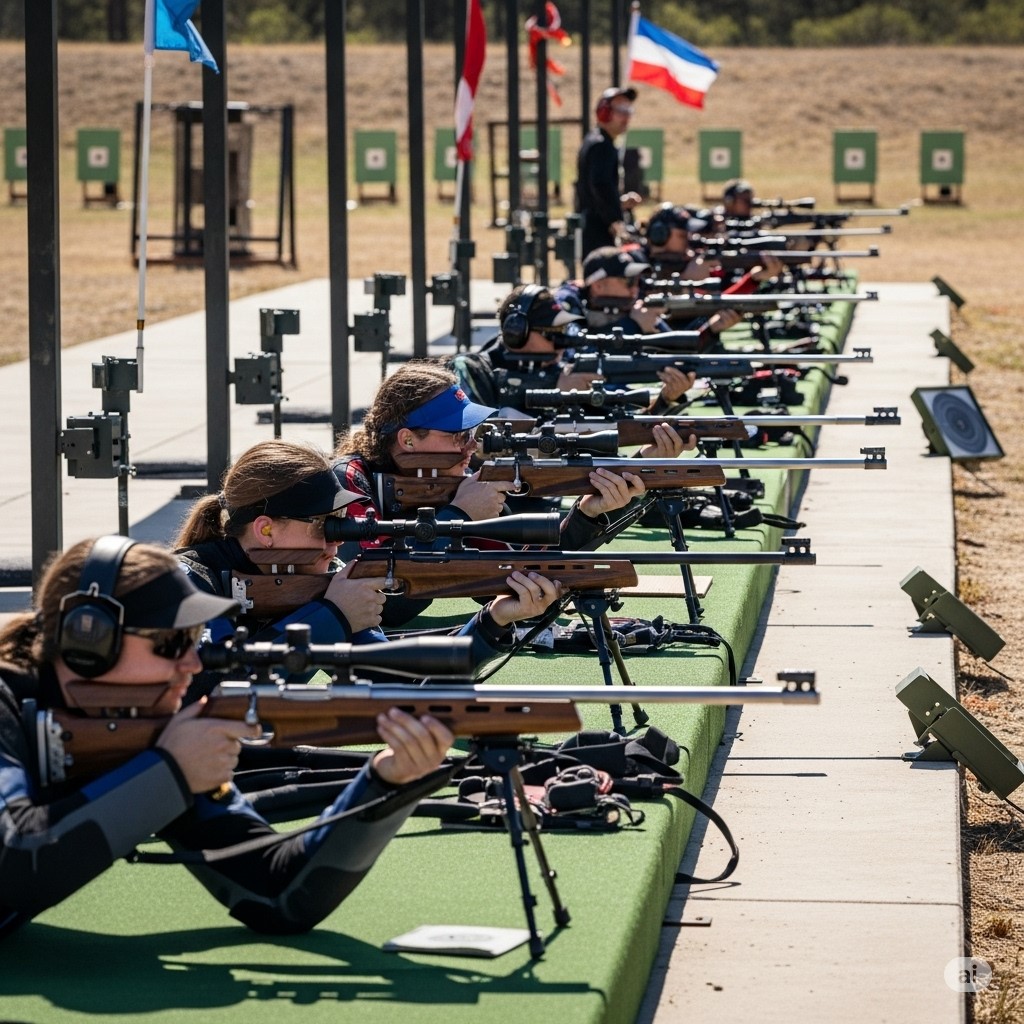
High Power Rifle Shooting: A Deep Dive into a Precision Sport
High Power Rifle Shooting stands as one of the most respected and challenging precision sports in the shooting world. It combines mental discipline, physical control, and technical skill. The sport has evolved into a globally recognized competitive discipline. Across continents, individuals of all ages test their accuracy and composure through High Power Rifle Shooting.
The Origin and History of High Power Rifle Shooting
The roots of High Power Rifle Shooting trace back to military training exercises in the 19th century. Soldiers practiced long-range marksmanship to improve combat effectiveness. These drills slowly turned into organized competitions.
By the late 1800s, nations like the United States and the United Kingdom established rifle clubs. These organizations formalized rules and standardized equipment. The National Rifle Association (NRA) in the U.S., founded in 1871, played a key role. Its mission included promoting accurate shooting among civilians.
In the early 20th century, High Power Rifle Shooting grew rapidly. Military-style bolt-action rifles were commonly used. Competitions were structured around simulated combat scenarios. Shooters would engage targets at multiple distances in different firing positions.
The sport gained popularity after both World Wars. Veterans returned with refined skills and enthusiasm for marksmanship. Civilian competitions became more popular, leading to the establishment of official tournaments. The Civilian Marksmanship Program (CMP) in the U.S. began supporting events to encourage rifle proficiency.
By the 1950s, technological advancements improved equipment. Optical sights, better barrels, and customized stocks increased precision. High Power Rifle Shooting transitioned into a modern precision sport.
Global Popularity and Geographic Reach
High Power Rifle Shooting is now practiced around the world. In North America, the United States and Canada have a strong competitive scene. The U.S. hosts numerous national and regional competitions. Matches take place throughout the year, with the National Matches at Camp Perry being a highlight.
Canada has its own championship events and many local clubs. Shooting ranges often serve as community hubs, welcoming newcomers and veterans alike.
In Europe, countries like the United Kingdom, Germany, and Switzerland maintain long-standing traditions in rifle sports. The British NRA, founded in 1859, is one of the oldest shooting organizations in the world. Swiss shooting festivals draw thousands of competitors.
Australia and New Zealand also support active shooting communities. Their clubs emphasize safety and youth involvement. South Africa, Brazil, and Argentina have emerging High Power Rifle Shooting groups. Though smaller in scale, these communities are growing.
Asia has a different relationship with the sport. Strict firearm regulations in countries like Japan and China limit civilian participation. However, military and law enforcement personnel often engage in marksmanship training. India and Thailand have growing civilian interest, supported by national shooting federations.
How Amateur High Power Rifle Shooting is Played
Amateur shooters can enter High Power Rifle Shooting through local clubs and associations. Most clubs offer beginner classes and mentorship programs. These programs focus on safety, equipment basics, and fundamental techniques.
Amateur matches usually follow the NRA or CMP rulebooks. Competitors use service rifles or match rifles. Events are divided into stages, each requiring different shooting positions: standing, sitting, kneeling, and prone.
The most common match format includes three stages:
- Slow Fire Standing: Shooters fire 10 rounds at 200 yards while standing.
- Rapid Fire Sitting or Kneeling: Shooters fire 10 rounds in 60 seconds at 200 yards.
- Rapid Fire Prone: Shooters fire 10 rounds in 70 seconds at 300 yards.
- Slow Fire Prone: Shooters fire 20 rounds at 600 yards.
Scoring is based on accuracy, with points assigned to each hit’s proximity to the bullseye. Amateur competitions emphasize improvement and community.
Youth involvement is critical. Programs like the Junior Rifle Club and CMP Youth Camps train the next generation. Schools, especially in rural areas, sometimes sponsor rifle teams. These teams compete regionally and nationally.
Professional Leagues and Competitions Worldwide
Several professional organizations govern High Power Rifle Shooting. In the U.S., the NRA and CMP lead the way. They host major events such as the National Matches at Camp Perry and the President’s Rifle Match.
The International Confederation of Fullbore Rifle Associations (ICFRA) oversees fullbore competitions globally. These matches resemble High Power events but often use different scoring methods and equipment.
The Palma Match is one of the most prestigious international events. Held every four years, it features top shooters from around the globe. Competitors fire at distances up to 1000 yards using iron sights.
In the U.K., the National Rifle Association at Bisley runs a calendar of professional matches. Events such as the Imperial Meeting attract international competitors.
Australia’s National Rifle Association governs fullbore rifle shooting, a cousin of High Power. The sport enjoys strong participation, particularly in Queensland and New South Wales.
While not as centralized, European leagues such as Germany’s Deutscher Schützenbund host numerous regional tournaments. These competitions feed into national championships.
Political and Social Significance
High Power Rifle Shooting carries significant political and cultural weight. In countries like the United States, it is closely linked to Second Amendment rights. Advocates view the sport as a celebration of individual freedom and responsibility.
The sport fosters a culture of safety and discipline. Shooters are trained to respect firearms and follow strict protocols. This emphasis on responsibility counters negative stereotypes about gun ownership.
Socially, High Power Rifle Shooting builds community. Clubs often function as social centers, especially in rural areas. Members support each other through mentorship and shared experiences.
Youth programs provide structure and purpose. Young participants gain confidence, focus, and respect for rules. Many go on to military careers or leadership roles in society.
The sport also promotes gender equality. Men and women compete side by side under the same rules. Female participation is rising, supported by initiatives like “Women on Target.”
Despite controversies around firearms, High Power Rifle Shooting maintains a respected position. Supporters emphasize its competitive nature and contributions to personal development.
Rules and Regulations of High Power Rifle Shooting
Competitions follow strict rules to ensure fairness and safety. Governing bodies like the NRA and CMP publish detailed rulebooks.
Firearms and Equipment Rifles must meet specifications. Service rifles are often semi-automatic, resembling military models. Match rifles can be custom-built for accuracy.
Allowed calibers include .223 Remington and .308 Winchester. Optical sights may be limited depending on the division.
Shooters use slings, mats, and spotting scopes. Clothing must comply with regulations to avoid unfair support.
Match Structure A standard match includes:
- 200-yard stage: Standing and sitting/kneeling rapid fire
- 300-yard stage: Prone rapid fire
- 600-yard stage: Prone slow fire
Each round is scored up to 10 points. X-rings in the center serve as tiebreakers.
Time Limits Rapid fire stages demand quick reloading and target acquisition. Shooters must fire 10 shots within 60-70 seconds. Slow fire stages allow more time, encouraging focus and control.
Safety Protocols Range safety officers monitor all matches. Muzzles must point downrange at all times. Rifles must be unloaded except when in firing position.
Cease-fire commands are followed instantly. Eye and ear protection is mandatory. Violations result in disqualification.
Scoring and Targets Paper targets display scoring rings. Spotters mark shots for scoring. Competitors often pull and mark targets in pits.
The highest possible score is 500-50x in a standard 50-round match. Scores determine rankings and qualifications for advanced events.
Conclusion
High Power Rifle Shooting remains a deeply rooted and evolving sport. From military origins to global competitions, it has captured the interest of many. Its rules demand precision, its culture fosters responsibility, and its reach extends worldwide.
The sport provides opportunities for amateurs and professionals. It educates youth, builds communities, and upholds traditions. In a world of fast-paced distractions, High Power Rifle Shooting offers a test of focus and discipline.
Its popularity continues to grow through clubs, schools, and international events. As new generations take up the sport, its future appears secure. With its blend of history, challenge, and community, High Power Rifle Shooting deserves its place among the world’s great sports.