
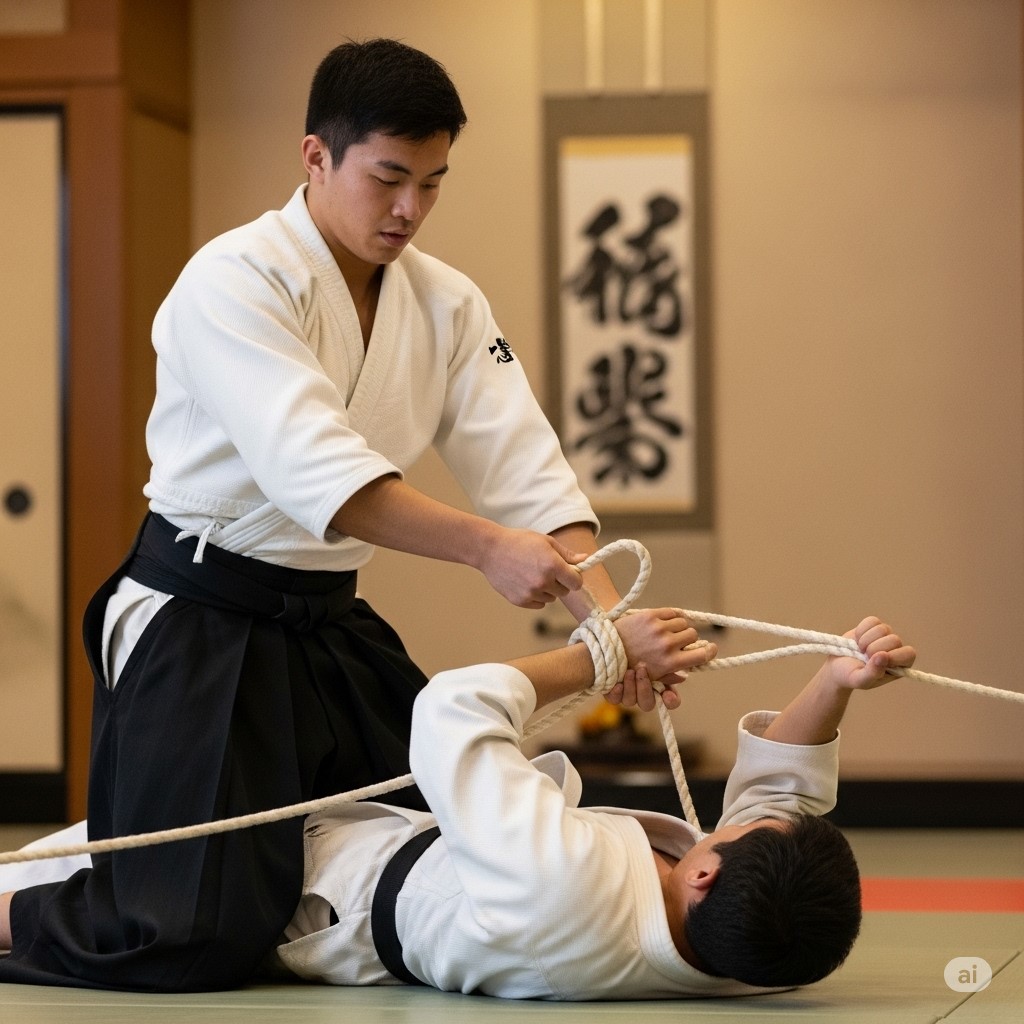
Hojojutsu: The Ancient Art Turned Modern Sport
Hojojutsu is a traditional Japanese martial art that has evolved into a modern competitive sport. It combines history, technique, and cultural significance. This ancient skill, originally used by samurai and police to restrain prisoners, now has a global audience. Hojojutsu is more than just knots and ropes. It tells a story of discipline, honor, and art. In this post, we will explore its origins, rise in popularity, amateur and professional formats, societal impact, and competitive rules.
Origins and Historical Background
Hojojutsu, also known as Torinawajutsu, originated in feudal Japan. Samurai used it to capture and transport criminals without shedding blood. The ropes allowed for non-lethal restraint while displaying social rank. Different knots and tying patterns conveyed messages. Some patterns indicated the prisoner’s crime or status.
During the Edo period (1603-1868), Japanese police further refined Hojojutsu. The techniques became highly codified. Training manuals described hundreds of tying methods. Rope materials and lengths varied based on region and purpose. Authorities used decorative, intricate knots as psychological deterrents. Public spectators saw the artistry and symbolism as part of the justice system.
Hojojutsu was often paired with jujutsu. Police officers first subdued suspects with empty-hand techniques. Then, they used ropes to bind them securely. Samurai took pride in their tying skills. Each knot reflected not just practicality but also aesthetics. Cultural values such as restraint, harmony, and respect influenced the art.
By the late 1800s, Western law enforcement methods replaced many traditional Japanese practices. Hojojutsu fell out of use. However, martial artists preserved its techniques in koryu (classical martial arts) schools. These institutions kept the tradition alive through kata (forms) and ceremonial practice.
Global Popularity and Spread
In the late 20th century, interest in Hojojutsu began to grow beyond Japan. Martial arts enthusiasts and historians found the practice fascinating. Its blend of utility and beauty made it unique among combat arts.
Cultural exchange programs helped spread awareness. Demonstrations at international martial arts festivals introduced audiences to the ropes’ elegance and power. As globalization increased, martial artists began sharing video tutorials and online courses.
Europe and North America embraced the discipline in the early 2000s. Schools in Germany, the United Kingdom, and the United States began offering Hojojutsu classes. These dojos focused on both traditional forms and sport adaptations.
Brazil and Australia also developed active Hojojutsu communities. Practitioners formed federations to regulate competition. As a result, regional tournaments emerged. These events drew participants from neighboring countries.
Modern technology accelerated growth. Social media allowed practitioners to share performances and tutorials. Online forums facilitated knowledge exchange. By 2020, over 40 countries had active Hojojutsu clubs or associations.
Amateur Hojojutsu Worldwide
Amateur Hojojutsu is thriving at grassroots levels. Many communities integrate it into martial arts programs. Students often study Hojojutsu alongside judo, aikido, or jujutsu.
Youth programs have emerged in Japan and abroad. These programs teach discipline, focus, and creativity. They use padded ropes for safety. Children learn basic knots and techniques in a controlled environment.
Schools in Japan sometimes include Hojojutsu as part of cultural heritage education. Lessons emphasize respect for history and craftsmanship. Students explore the symbolic meanings behind different tying patterns.
In the United States, some middle schools and high schools offer Hojojutsu clubs. These clubs meet after school and participate in local exhibitions. Coaches often have backgrounds in traditional Japanese arts. They foster an appreciation for both sport and tradition.
Community centers in Canada and Europe sponsor weekend workshops. These events attract beginners and experienced practitioners. Attendees learn from master instructors and test their skills in friendly competitions.
Amateur leagues have formed in cities like Tokyo, Berlin, and São Paulo. These leagues promote inclusivity and fair play. They often collaborate with cultural institutions to host public exhibitions. Such efforts raise awareness and attract new fans.
Professional Hojojutsu Leagues
While still niche, professional Hojojutsu leagues exist. Japan remains the global hub. The All Japan Hojojutsu Federation oversees many national-level competitions. They set official rules and maintain ranking systems.
Professional athletes train extensively. They master speed, precision, and creativity. Matches showcase individual skill and team coordination. Events are held in arenas and broadcast online. Winners receive medals, sponsorships, and training grants.
The European Hojojutsu League (EHL) includes teams from France, Spain, and the Netherlands. Their annual championship attracts international media coverage. Athletes represent their countries and compete for titles.
In North America, the United States Hojojutsu Association (USHA) organizes regional and national events. Professional teams have emerged in New York, Los Angeles, and Chicago. They participate in televised tournaments and conduct youth outreach.
South America has its own federation: the Latin American Hojojutsu Union. Brazil leads the region with the most active professionals. Their athletes often place in international competitions.
The World Hojojutsu Championship, held every two years, draws top talent. Participants face off in speed trials, artistic performance, and tactical challenges. Judges score based on technique, originality, and effectiveness.
Prize money has increased over the years. Sponsorship from gear manufacturers, energy drink companies, and tech brands support the athletes. While still growing, professional Hojojutsu continues to gain mainstream attention.
Political and Social Significance
Hojojutsu has deep cultural roots. It reflects Japanese values of order, harmony, and respect. Historically, it served as a tool of justice. Today, it inspires dialogue about cultural preservation and modern adaptation.
In Japan, some critics once viewed Hojojutsu as outdated or inappropriate. However, advocacy by martial arts groups changed perceptions. They emphasized its artistic and historical value. Museums and universities now recognize it as intangible cultural heritage.
The sport has also sparked conversations about law enforcement practices. Its non-lethal philosophy contrasts with some modern policing methods. This comparison has influenced debates on restraint techniques and humane treatment.
Globally, Hojojutsu serves as a bridge between cultures. It fosters understanding and appreciation for traditional arts. Multicultural events often feature it alongside other heritage displays. These exhibitions promote unity and dialogue.
Socially, the sport empowers practitioners. It builds confidence, patience, and coordination. Many participants report improved mental health and self-discipline. Women in particular have found empowerment in mastering the art.
In some countries, Hojojutsu programs serve at-risk youth. They offer structure, mentorship, and positive community involvement. These initiatives reduce delinquency and promote well-being.
Rules of Hojojutsu Competition
Modern Hojojutsu competitions balance tradition and sport. Events fall into several categories: speed binding, kata performance, and scenario-based restraint.
In speed binding, competitors must tie specific patterns in limited time. Judges score accuracy, neatness, and rope management. Penalties apply for loose knots or improper technique.
Kata performances follow pre-arranged forms. Athletes demonstrate precision and elegance. They must follow traditional sequences. Scoring considers fluidity, focus, and adherence to form.
Scenario-based events simulate real-life challenges. One athlete plays the “offender” role while the other executes a safe and effective restraint. Judges assess control, safety, and strategic thinking.
Safety is paramount. Ropes are inspected before matches. Competitors must wear protective gear. Medical staff remain on standby. Referees can stop matches if risks arise.
Time limits vary by event. Most matches last between three and five minutes. Ties lead to sudden-death rounds. Final decisions rest with a panel of expert judges.
Matches occur on a padded mat or performance stage. Standard ropes measure 5 to 8 meters in length. Materials include cotton, jute, or synthetic fibers. Athletes may choose ropes based on comfort and grip.
Weight classes do not apply. Instead, competitors are grouped by experience level. Categories include novice, intermediate, and master. This system ensures fair matchups.
Code of conduct is strictly enforced. Unsportsmanlike behavior leads to disqualification. Respect for opponents and officials is mandatory.
Conclusion
Hojojutsu has traveled a remarkable path from ancient restraint technique to global sport. Its unique blend of utility, culture, and aesthetics continues to inspire new generations. With growing amateur and professional scenes, Hojojutsu is reaching audiences worldwide. Its influence spans history, society, and competition.
As we celebrate its rise, we honor the traditions that shaped it. From samurai patrols to modern arenas, Hojojutsu reflects the enduring power of discipline and art. Whether practiced in schools, clubs, or stadiums, it commands respect and admiration. Hojojutsu is not just a martial art. It is a symbol of cultural legacy and human potential.