
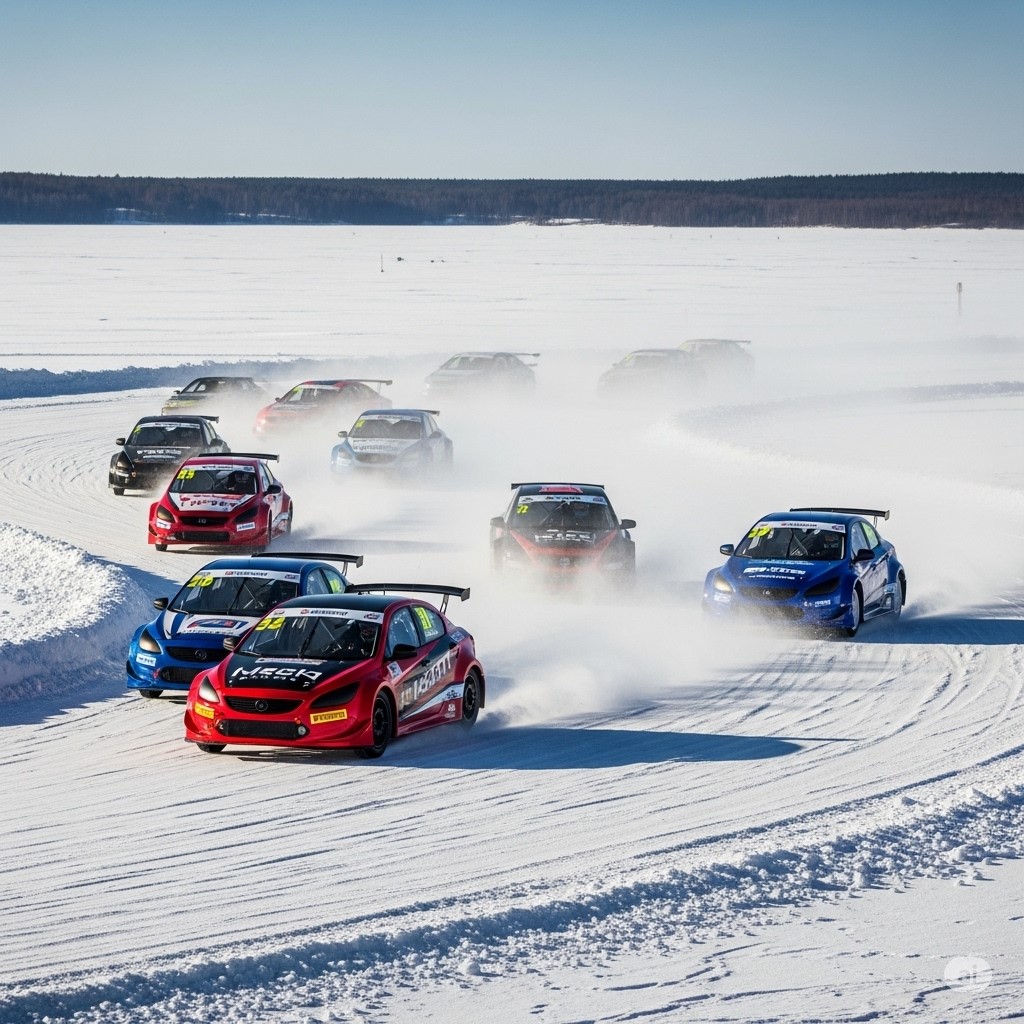
The Thrilling World of Ice Racing: A Deep Dive Into the Frozen Motorsport
Ice Racing is one of the most electrifying yet underrated motorsports on Earth. It takes place on frozen lakes, icy circuits, and snow-packed arenas. The sport challenges drivers, riders, and teams to conquer the slipperiest of surfaces. In recent decades, it has grown in global recognition. It has evolved from a recreational pastime into a thrilling spectacle with fans across continents.
Origins and History of Ice Racing
The roots stretch back to the early 20th century. Scandinavia is credited as the birthplace of this adrenaline-fueled sport. In the frozen north, cars and motorcycles were raced on lakes for fun during long winters. Finland and Sweden saw informal events as early as the 1920s. Enthusiasts would modify road vehicles for better grip and control.
As time passed, more structure was added. By the 1930s, organized races with defined rules emerged. These events attracted larger crowds and serious competitors. Germany and Russia soon joined the Ice Racing scene. During the post-World War II era, Ice Racing clubs formed, and national championships took shape.
Motorcycle Ice Racing became particularly popular in Russia. Soviet athletes developed specialized bikes with studded tires. This innovation boosted performance and safety. Over the next few decades, the sport diversified. Cars, ATVs, and even electric vehicles joined the icy fray.
Ice Racing’s Global Popularity
Today, Ice Racing is popular in various parts of the world. Europe remains the sport’s stronghold. Russia, Sweden, Finland, and Norway host large-scale events annually. The FIM Ice Speedway Gladiators World Championship is one of the biggest international competitions.
In North America, Canada and the United States have vibrant Ice Racing communities. Regions like Quebec, Minnesota, Wisconsin, and Alaska hold regular races. Frozen lakes offer perfect conditions and have become seasonal hubs for racing enthusiasts.
Japan has embraced the sport in recent decades. The island of Hokkaido provides the ideal climate. Events like the Hokkaido Ice Challenge draw local and international participants. In Central Asia, Kazakhstan and Mongolia have introduced Ice Racing festivals. These attract thousands of fans and spectators every winter.
Australia and New Zealand, despite warmer climates, also participate in Ice Racing. They host events in artificial rinks and indoor venues. The sport’s adaptability helps expand its reach.
Amateur and Youth Participation in Ice Racing
It isn’t just for professionals. At the grassroots level, thousands participate in local races every winter. Amateur leagues flourish in North America and Europe. Families treat these races as community events.
Youth leagues are growing rapidly. In Sweden and Canada, schools often support motorsport programs. These include Ice Racing among their winter activities. Young racers, some as young as eight, start training on small displacement bikes.
Local clubs play a crucial role. They provide equipment, training, and insurance for aspiring racers. Volunteer mechanics and coaches help maintain a supportive environment. Safety gear such as helmets, boots, and body armor are mandatory. This helps build discipline and sportsmanship from an early age.
In the U.S., the American Motorcyclist Association (AMA) sponsors youth categories. Events such as the Midwest Ice Racing Championship include junior classes. Kids and teenagers learn racing skills, technical know-how, and teamwork.
Professional Leagues Around the Globe
At the professional level, Ice Racing is both competitive and strategic. Riders and drivers reach exceptional skill levels. The sport features several prestigious leagues.
The FIM Ice Speedway Gladiators World Championship stands as the premier event. Held annually, this series crowns the best motorcycle Ice Racer globally. It features competitors from Russia, Germany, Sweden, and beyond.
In Russia, the Ice Racing season is packed with regional and national events. Teams often have factory support. Athletes achieve celebrity status, particularly in Siberian regions where the sport dominates.
Germany and the Netherlands host cross-border competitions. These events blend speedway and Ice Racing formats. Cars and bikes with advanced technology compete in thrilling matches.
North America boasts the AMA Ice Race Grand Championship. This includes motorcycles, ATVs, and side-by-sides. Canada’s Ontario Ice Racing Association organizes some of the continent’s most iconic races.
In Japan, the All-Japan Ice Auto Race garners a cult following. Modified kei cars with studs blaze through icy tracks. Drivers often come from rally or drift backgrounds.
Political and Social Impact of Ice Racing
Ice Racing holds more than entertainment value. Politically, the sport strengthens international relations. Events often include participants from rival nations. For instance, Russian and European racers compete in peaceful rivalry. This fosters dialogue and diplomacy through shared interests.
In regions like Siberia and northern Canada, it boosts local economies. Seasonal tourism surges during race weeks. Hotels, restaurants, and shops benefit. These events generate jobs and media exposure.
Socially, it brings communities together. Frozen lakes transform into festival grounds. Spectators enjoy races, bonfires, food trucks, and music. For small towns, these gatherings offer cultural value.
The sport also promotes innovation. Engineers and mechanics test new traction systems and lightweight materials. These advancements often find applications in broader automotive industries.
Environmental conversations have also emerged. Electric Ice Racing vehicles have made their debut. These machines produce less noise and pollution, aligning the sport with green initiatives.
Rules and Regulations of Ice Racing
Although rules vary by country, certain standards remain universal. Safety is the top priority. All participants must wear full protective gear. Helmets, gloves, padded suits, and boots are compulsory.
Motorcycles used in Ice Racing are often one-speed machines. They feature no brakes and run on methanol. Studded tires offer maximum grip on icy surfaces. These spikes can be up to 28 mm long.
Car-based Ice Racing follows different guidelines. Vehicles must meet specific weight and safety requirements. Roll cages, five-point harnesses, and fire extinguishers are mandatory.
Track sizes vary but usually measure between 250 to 500 meters for bikes. Car tracks can stretch up to a kilometer. Races typically include heats and finals. Riders or drivers earn points in each heat.
False starts lead to penalties. Contact between vehicles is discouraged and may result in disqualification. Technical inspections occur before and after each race to ensure compliance.
Ice must be thick enough for safety. Most venues require at least 12 inches of ice for cars. Lighter vehicles can run on 8 inches. Tracks are cleared of snow and maintained by special equipment.
Weather conditions affect scheduling. Races may be postponed during blizzards or extreme cold. Communication systems keep teams informed in real-time.
Conclusion
It continues to captivate audiences worldwide. From its humble beginnings on Scandinavian lakes to global championships, the sport has come a long way. Its unique blend of speed, skill, and community makes it stand out.
Youth programs and amateur leagues ensure that the sport has a bright future. Professional events add prestige and foster international camaraderie. Politically and socially, Ice Racing has meaningful influence.
With innovations in technology and increased media coverage, the sport is poised to grow even further. Whether on a frozen lake in Minnesota or a rink in Tokyo, Ice Racing delivers thrills like no other motorsport.
For fans and newcomers alike, it offers a fascinating look into the world of frozen competition. As the engines roar and the ice flies, one thing becomes clear: Ice Racing is here to stay.