
The Fascinating World of Ice Skating: A Complete Guide
Ice Skating is a captivating sport with a rich history, broad global appeal, and a strong cultural footprint. From frozen lakes to Olympic arenas, it continues to evolve and inspire generations. In this blog post, we will explore the sport in depth. We’ll look at its origins, popularity, amateur and professional levels, social and political impact, and the rules that define it. Ice Skating has transformed from a means of survival into a worldwide passion. With its elegance, speed, and competitive spirit, Ice Skating captures the imagination of millions.
The Origin and History of Ice Skating
Ice Skating dates back over 4,000 years. Archaeological evidence in Finland suggests early forms of the sport began there. The first skates were made from animal bones. People tied them to their feet with leather straps. These early skates lacked sharp edges and were used to glide across icy surfaces.
As centuries passed, skating evolved. Metal blades appeared in the 13th century. Dutch innovators developed wooden skates with iron runners. They also created canals that doubled as skating routes. The Netherlands became a central hub for skating.
By the 18th century, Ice Skating gained popularity in Europe. The British aristocracy embraced it. Skating clubs began forming in cities like Edinburgh. In 1742, the first official skating club was established in Scotland.
The 19th century saw more innovation. Figure skating emerged as an artistic discipline. Jackson Haines, an American ballet dancer, added choreography to skating. He laid the foundation for modern figure skating.
In 1876, the first artificial ice rink opened in London. Known as the Glaciarium, it allowed year-round skating. Skating then spread to North America. Canada and the United States quickly became leaders in the sport.
The first international skating competition was held in 1891. In 1896, the International Skating Union (ISU) was founded. This governing body still oversees international competitions.
Ice Skating debuted in the Olympics in 1908. Over time, speed skating, figure skating, and ice dancing joined the program. The sport grew in prestige and complexity.
Global Popularity of Ice Skating
Ice Skating enjoys immense popularity across the globe. Countries with cold climates naturally dominate participation. However, indoor rinks allow the sport to flourish in warmer areas too.
Canada and Russia are traditional powerhouses. They produce top athletes and host major competitions. The United States also boasts a vibrant skating scene. Cities like Lake Placid and Colorado Springs are known for training excellence.
European nations such as Germany, the Netherlands, Norway, and Finland play pivotal roles. The Dutch, in particular, have a deep-rooted skating culture. Their Elfstedentocht, a 200-kilometer race, draws massive attention.
Asian countries have risen in prominence as well. Japan, China, and South Korea now regularly produce world-class skaters. Their investment in training infrastructure has paid off.
In the Southern Hemisphere, Australia and New Zealand maintain growing skating communities. Indoor rinks make participation possible despite milder climates.
Global competitions like the Winter Olympics and World Championships drive visibility. Television broadcasts and social media amplify interest. The elegance and drama of figure skating often captivate new audiences.
Amateur Ice Skating: Youth and School Programs
Amateur Ice Skating serves as the backbone of the sport. Youth involvement begins at a very young age. Many children start lessons as early as three years old.
Local ice rinks typically offer Learn-to-Skate programs. These courses teach foundational skills like balance, turning, and stopping. After mastering basics, skaters can choose between figure skating, speed skating, or hockey.
In North America and Europe, schools and community centers promote skating. They organize after-school programs and weekend clinics. These efforts keep participation high.
Youth competitions offer a platform for growth. Events range from local showcases to national championships. Coaches evaluate skaters and guide their development.
Organizations like U.S. Figure Skating and Skate Canada play a major role. They provide coaching certifications, organize events, and set standards.
In Asia, governments actively support youth skating. South Korea and Japan have national training centers. These facilities identify and nurture talent early.
Russia operates a rigorous pipeline system. Children with potential enter specialized sports schools. These institutions provide intensive training alongside education.
Amateur skating fosters discipline, fitness, and confidence. Parents often cite character development as a key benefit. The community aspect also builds lasting friendships.
Professional Leagues and Organizations
Ice Skating has various professional formats. Figure skating remains the most recognized discipline. Professional skaters often compete in the ISU Grand Prix series. This includes events in Canada, Russia, China, and Japan.
The Grand Prix Final crowns the best skaters of the season. Champions often become household names. They tour globally and perform in exhibition shows.
Speed skating features professional circuits as well. The ISU World Cup series draws elite athletes. These skaters train year-round and travel extensively.
In North America, synchronized skating has gained traction. Teams perform coordinated routines with precision and flair. Competitions at national and international levels attract large crowds.
Professional Ice Skating also includes entertainment ventures. Shows like “Disney on Ice” and “Stars on Ice” combine athleticism and storytelling. Former Olympians often headline these tours.
The Ice Cross Downhill league, known as Red Bull Crashed Ice, adds a thrilling dimension. Athletes race on steep, icy tracks with high-speed turns. The sport combines skating, skiing, and extreme sports elements.
Professional leagues rely on sponsorship, broadcasting, and ticket sales. Skaters must often balance training with promotion. Branding and public appearances are essential for career longevity.
Political and Social Significance
Ice Skating holds political and social weight. Throughout history, it has symbolized national pride. During the Cold War, competitions between Soviet and American skaters carried extra meaning.
Olympic victories in skating serve as soft power tools. Countries use them to project cultural excellence. Media coverage reinforces national identity.
Socially, the sport promotes inclusion and diversity. Adaptive skating programs exist for people with disabilities. These initiatives break barriers and inspire communities.
In recent years, gender norms have been challenged. Male skaters embrace artistic elements once seen as feminine. Female skaters push technical boundaries traditionally dominated by men.
The LGBTQ+ community has found a voice in skating. Prominent skaters have come out publicly. Their stories encourage acceptance and dialogue.
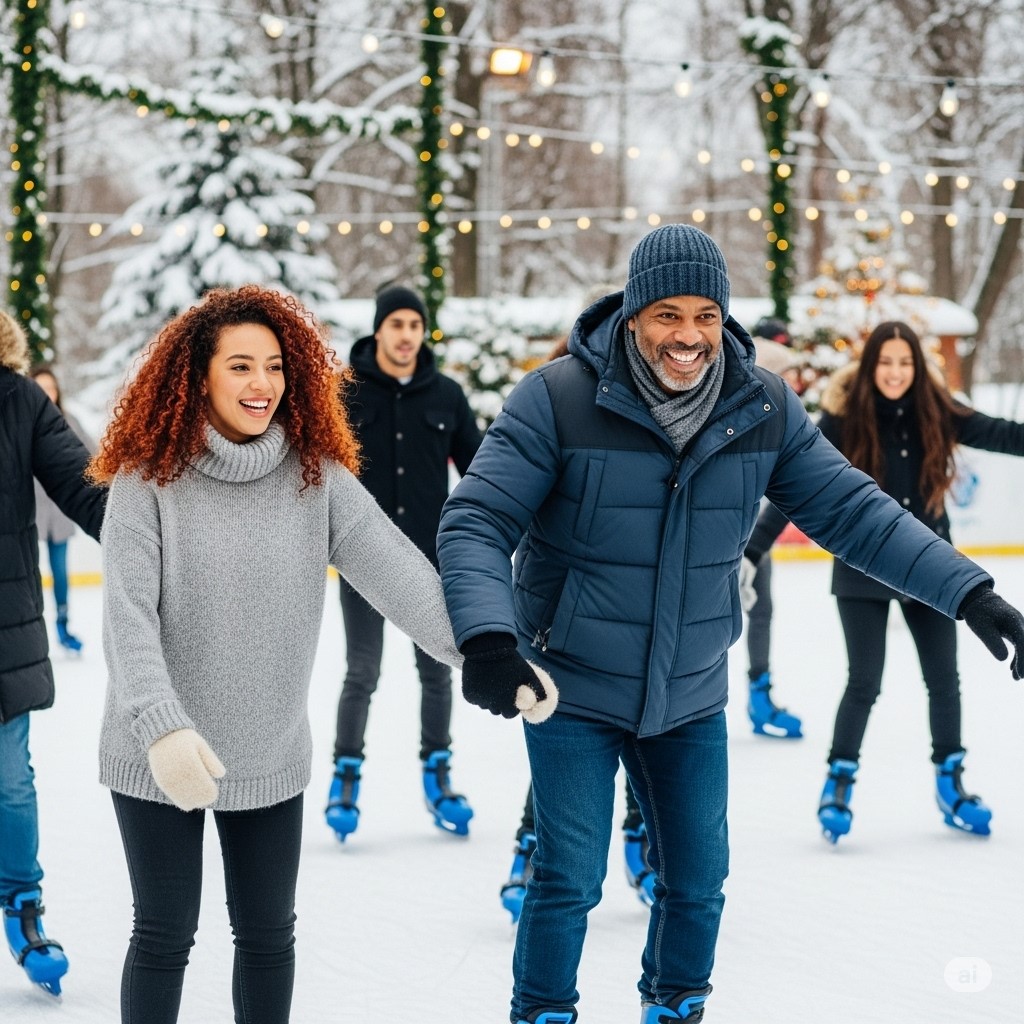
Skating rinks also act as community hubs. They host public sessions, charity events, and holiday celebrations. These spaces foster connection and recreation.
Furthermore, Ice Skating supports mental health. The focus and movement offer therapeutic benefits. Skaters often describe the rink as a sanctuary.
Governments recognize these advantages. Public funding for rinks and programs supports wellness goals. Partnerships with schools further strengthen the sport’s role.
Rules and Regulations of Ice Skating
Ice Skating comprises several disciplines, each with distinct rules. However, all share common safety and performance standards.
In figure skating, athletes perform short and free programs. Judges evaluate elements like jumps, spins, and footwork. Scoring follows the ISU Judging System.
Each element has a base value. Execution, technique, and artistry affect the final score. Penalties apply for falls, time violations, or illegal moves.
Skaters must follow dress codes. Costumes should be elegant but not provocative. Music selection must avoid lyrics in certain formats.
Speed skating occurs on oval tracks. Races vary in length from 500 meters to 10,000 meters. Competitors start in pairs and aim for the fastest time.
Mass start and relay races add strategy to the mix. Contact is discouraged. Lane changes must follow strict timing rules.
In synchronized skating, teams perform set routines. Judging considers synchronization, formations, and difficulty. Errors like collisions or falls reduce scores.
Ice Cross Downhill has unique rules. Four skaters race simultaneously on a downhill course. The top two advance to the next round. Helmets and padding are mandatory.
Officiating crews ensure fairness. Video replay and instant scoring increase accuracy. Appeals must follow designated procedures.
Athletes must pass medical clearances and drug tests. Anti-doping rules align with World Anti-Doping Agency standards.
Training etiquette includes rink sharing protocols. Skaters take turns during practice sessions. Coaches direct traffic and enforce safety.
Conclusion
Ice Skating continues to enchant fans across the world. Its journey from bone skates in Finland to Olympic podiums is remarkable. The sport thrives through community involvement, professional excellence, and cultural relevance.
From toddlers taking first steps on ice to pros executing perfect quads, every level adds value. Skating teaches grace, resilience, and unity.
As technology and training methods improve, the sport will only grow stronger. Ice Skating’s story is far from over. It invites everyone to glide, leap, and spin toward new horizons.