
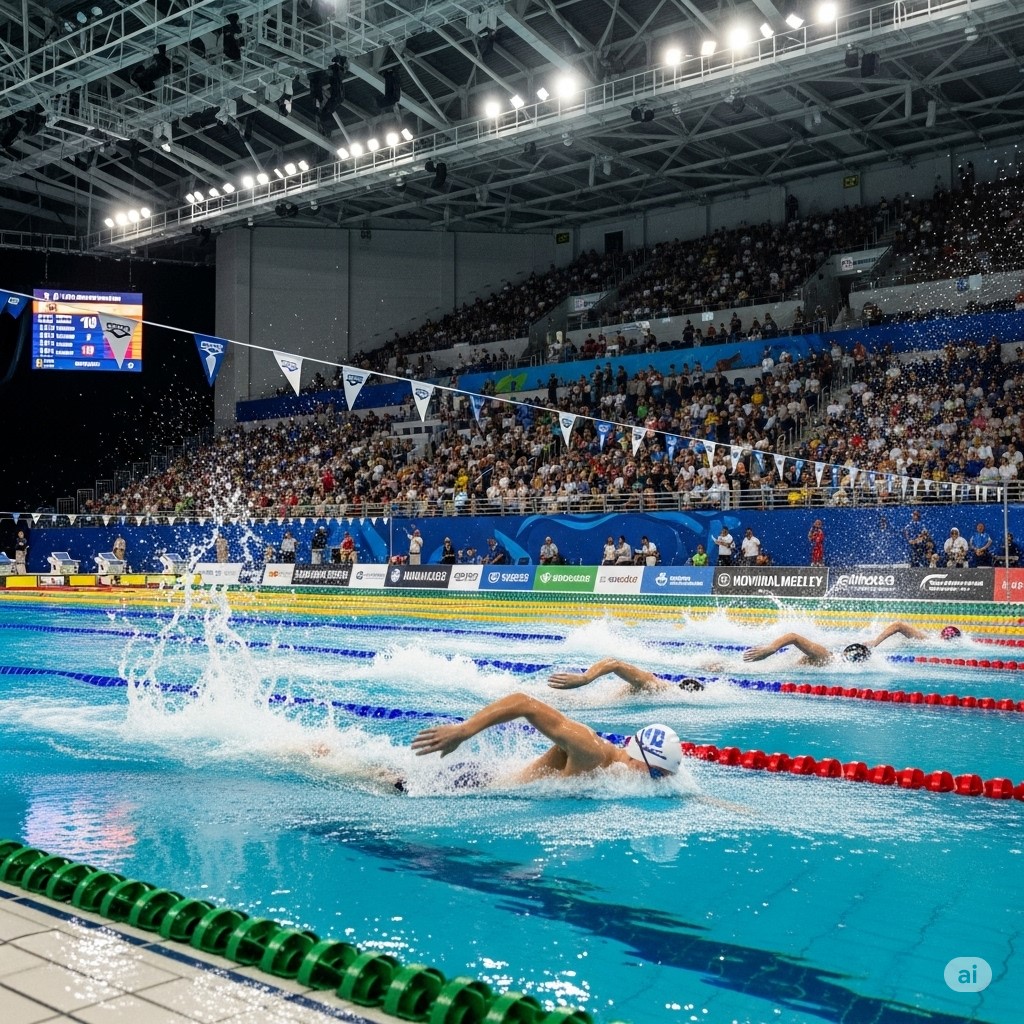
The Ultimate Guide to Individual Medley Swimming
Individual Medley Swimming is one of the most demanding and thrilling events in the world of aquatic sports. It requires athletes to master four different strokes in one race. Swimmers must excel at butterfly, backstroke, breaststroke, and freestyle. Each of these strokes brings its own technical and physical challenges. This combination of skills makes the sport unique, competitive, and fascinating. In this blog post, we will dive into the origin, history, global popularity, amateur scene, professional leagues, social significance, and the rules of Individual Medley Swimming.
Origin and History of Individual Medley Swimming
The roots of Individual Medley Swimming trace back to the early 20th century. During this period, competitive swimming began to evolve significantly. Originally, swimmers competed using only one stroke per race. However, as technique and training progressed, new events were introduced.
The medley event was born out of the desire to test versatility. The first versions of medley races combined strokes in one competition, but not within a single race. It wasn’t until the 1950s that the modern format was solidified. The International Swimming Federation (FINA) standardized the event, establishing the four-stroke sequence we know today.
The medley became a staple at major international competitions. It was first included in the Olympics in 1964. Since then, it has become a critical component of elite-level swimming. Legendary athletes like Michael Phelps and Katinka Hosszu have elevated the profile of this event. Their dominance in the medley has inspired a new generation of swimmers.
Global Popularity and Where It Is Played
Individual Medley Swimming enjoys immense popularity around the globe. In countries like the United States, Australia, and Hungary, it forms the cornerstone of swim training programs. These nations have invested heavily in aquatic sports infrastructure. Their success has created a ripple effect, encouraging others to follow suit.
In Asia, countries like Japan and China have become medley powerhouses. Intensive training programs and state support have produced world-class athletes. In Europe, nations such as the United Kingdom and Germany consistently field competitive medley swimmers.
Africa and South America are also emerging on the scene. South Africa and Brazil have produced Olympic-level talent. Though access to resources varies, enthusiasm for swimming is growing.
Swimming federations across all continents now include medley events in national competitions. International meets like the World Aquatics Championships and the Olympic Games draw massive audiences. These events highlight the global reach and appeal of Individual Medley Swimming.
Amateur Individual Medley Swimming: Youth and Schools
At the grassroots level, the medley plays a crucial role in youth swimming. Many swim clubs introduce children to all four strokes early in their development. This well-rounded training prepares them for future competition.
In the United States, high school swim teams often include medley events. The Individual Medley typically forms a central part of local and state championships. Youth swimmers aim to qualify for national meets through strong medley performances.
European countries have similar systems. In the UK, school competitions feature 100m and 200m medley events. These races help scouts identify emerging talent. Australia follows a club-based model. Clubs hold regular competitions where medleys are central fixtures.
Japan and China operate structured development pathways. Young swimmers receive rigorous training in all four strokes. Success in the medley is seen as a hallmark of well-rounded talent. This approach has proven effective in international competitions.
Amateur programs often emphasize fun and learning. Coaches encourage technique mastery over early specialization. This philosophy nurtures a lifelong love for the sport.
Professional Leagues and Competitions
Individual Medley Swimming features prominently in professional swim leagues. One of the most notable is the International Swimming League (ISL). Founded in 2019, ISL brought a new level of professionalism to swimming. The league includes team-based competitions with top swimmers from around the world.
Medley races are often the highlight of ISL meets. Athletes compete in the 200m and 400m distances. These races test their endurance, speed, and technical skills. Fans enjoy the fast-paced format and high-caliber competition.
In addition to ISL, the FINA World Cup Series offers medley events. These meets occur in cities across Europe, Asia, and the Americas. Top performers earn prize money and international recognition.
The Olympic Games remain the pinnacle of the sport. The 200m and 400m Individual Medley events consistently produce thrilling finishes. Olympic gold in the medley is considered one of swimming’s highest honors.
Continental championships, such as the European Championships and Pan Pacific Championships, also include medley events. These competitions provide valuable experience and exposure.
National trials and championships often serve as qualifiers. Countries like the USA, Australia, and Japan host fiercely competitive meets. Athletes must peak at the right time to secure their place on the national team.
Social and Political Significance of the Sport
Individual Medley Swimming holds deep social significance. It symbolizes dedication, versatility, and resilience. Athletes must train year-round to perfect four different strokes. This commitment often inspires others to pursue excellence in their own lives.
The sport also promotes gender equality. Men and women compete in parallel events with equal importance. This structure fosters a balanced and inclusive environment.
Politically, swimming often serves as a point of national pride. Medal-winning athletes become ambassadors for their countries. Their success can elevate national morale and unity.
In some nations, sports funding is tied to international performance. Successful medley swimmers may influence government decisions on athletic investments. Their achievements help secure resources for future generations.
Community programs use swimming to promote health and wellness. Public pools offer lessons that include medley components. These initiatives improve fitness and water safety across diverse populations.
Athletes often engage in charitable efforts. Many support causes like clean water access, youth development, and education. Their platforms amplify important social messages.
Rules of Individual Medley Swimming
Individual Medley Swimming follows specific rules to ensure fairness. The race begins with the butterfly stroke. After completing one-fourth of the total distance, swimmers transition to backstroke.
Backstroke is followed by breaststroke. Freestyle finishes the race. Freestyle must not include any of the first three strokes. Most swimmers use the front crawl because of its speed.
Transitions must follow strict guidelines. Swimmers must touch the wall with both hands at the end of butterfly and breaststroke. Backstroke requires a back finish into the wall before the turn.
Each stroke has unique technical requirements. For butterfly, both arms must move simultaneously. The kick must be a dolphin motion. Backstroke requires swimmers to stay on their back, except during turns.
Breaststroke involves a frog kick and simultaneous arm movement. Freestyle allows any technique, but the front crawl is the fastest. Violations of stroke technique result in disqualification.
Races are timed electronically. False starts lead to automatic disqualification. Swimmers must remain in their assigned lanes. Officials monitor each swimmer throughout the race.
In major competitions, video reviews help ensure accurate judgments. Athletes and coaches can appeal decisions under certain circumstances.
Race distances vary by level. Common lengths include 100m, 200m, and 400m. Shorter races demand speed; longer ones test endurance.
Conclusion
Individual Medley Swimming showcases the highest levels of athletic ability and mental toughness. It challenges swimmers to master multiple disciplines. The sport has a rich history and a bright global future.
From local pools to Olympic stadiums, the medley captures attention and admiration. It teaches valuable life skills like perseverance, focus, and discipline. Nations celebrate their champions and invest in future stars.
As swimming evolves, the medley will continue to inspire. It remains a true test of complete aquatic excellence. Whether amateur or professional, every medley swimmer contributes to this dynamic and inspiring sport.
Individual Medley Swimming is not just a race. It is a celebration of human potential in water.