
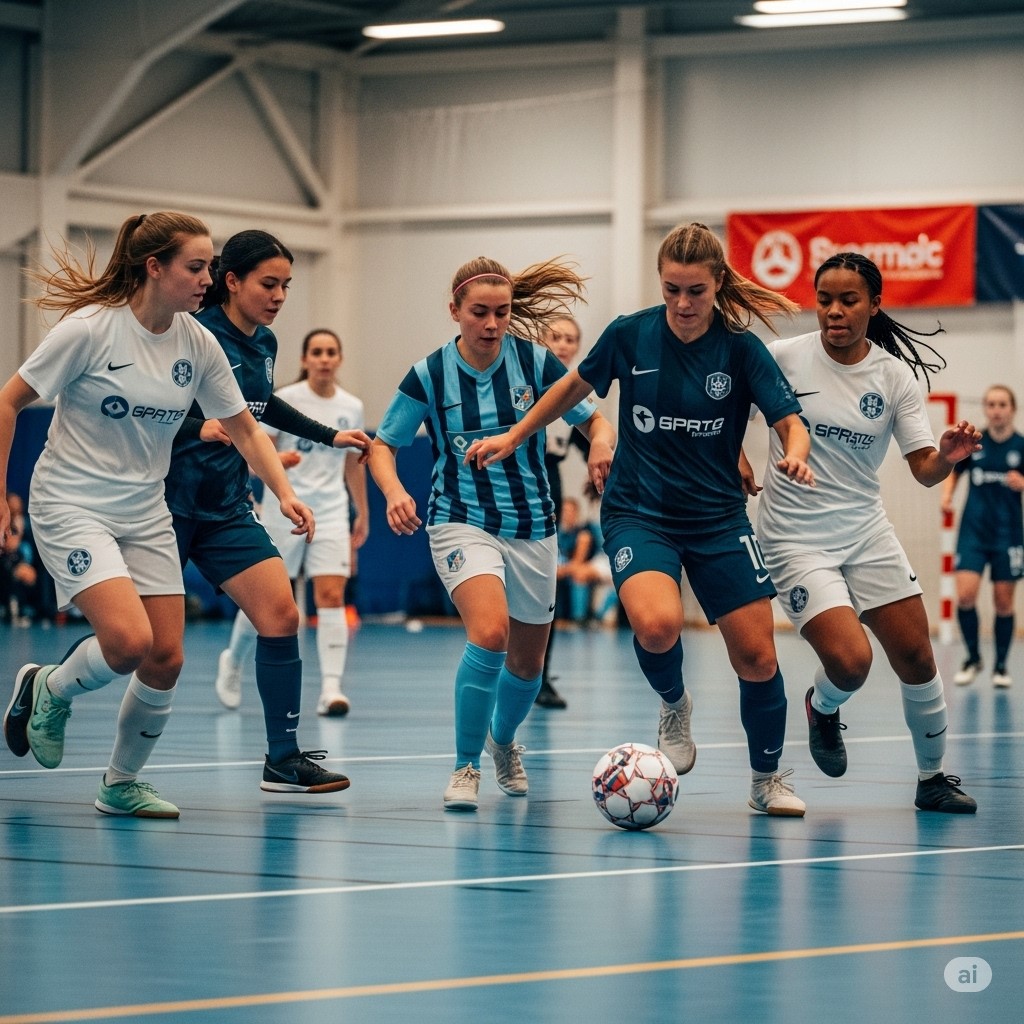
Indoor Soccer: A Fast-Paced Revolution in the Football World
Indoor Soccer is one of the fastest-growing variations of football around the globe. With tight spaces, quick passes, and constant action, it has captivated athletes and fans alike. Unlike its outdoor counterpart, it offers a more intense, skill-driven experience. From its fascinating history to its political and social impact, this sport continues to evolve. In this blog, we will explore every major aspect of Indoor Soccer in detail.
The Origins and History
Indoor Soccer has a fascinating history that dates back over a century. It emerged as a solution to seasonal limitations. In colder climates, traditional outdoor football was difficult to maintain during winter. Players and coaches needed a way to keep training and competing.
In the early 20th century, gymnasiums and covered courts became experimental grounds for small-sided football games. North America played a crucial role in shaping this format. In 1939, the first known match resembling modern Indoor Soccer was played in Canada. The game took place at Maple Leaf Gardens in Toronto.
By the 1970s, the sport had formalized. The United States saw the launch of the Major Indoor Soccer League (MISL) in 1978. This league brought visibility and legitimacy to the indoor game. It attracted talent from outdoor leagues and saw large crowds. Although the original MISL folded in 1992, its influence remains strong.
Other countries began adapting the game to local facilities. South America, Europe, and parts of Asia embraced the indoor format. Over the years, different styles evolved. Some regions leaned toward futsal, while others stayed true to board-based Indoor Soccer.
Today, the game enjoys a strong presence in recreational centers, schools, and professional arenas across the globe.
Global Popularity of Indoor Soccer
The global popularity of Indoor Soccer is undeniable. Several factors contribute to its wide acceptance. First, the sport can be played year-round. Indoor facilities eliminate weather-related interruptions. Second, it requires less space than traditional soccer. Urban centers with limited outdoor space find it especially attractive.
North America, particularly the United States and Canada, continues to be a stronghold. The game is popular at both amateur and professional levels. Youth leagues are widespread, and indoor arenas are common in most cities.
In Europe, the sport thrives in Germany, the Netherlands, and the United Kingdom. Although futsal holds official recognition by UEFA and FIFA, traditional Indoor Soccer still has a strong following. Local leagues and tournaments run through the winter months.
South America has also embraced the game, though futsal dominates in countries like Brazil and Argentina. In these regions, however, the line between Indoor Soccer and futsal often blurs. Still, indoor variations remain critical in player development.
Asian nations such as Japan, South Korea, and Iran have begun building indoor infrastructures. Rapid urbanization fuels the need for adaptable sports formats. Indoor Soccer fits this demand perfectly.
Australia and New Zealand have developed robust recreational leagues. The sport is also included in physical education programs in many schools.
Because of its versatility, Indoor Soccer is played in both developed and developing countries. Its ability to bring communities together makes it universally appealing.
How Amateur Indoor Soccer is Played Worldwide
Amateur Indoor Soccer forms the foundation of the sport’s global structure. The game is introduced early, often in elementary or middle school physical education classes. It teaches young players control, positioning, and quick decision-making.
In North America, thousands of amateur leagues exist. Local parks, recreation departments, and private sports centers run youth programs. Most cities have adult divisions as well. These are often broken into competitive and recreational categories.
High schools and colleges include Indoor Soccer in off-season training regimens. It helps athletes stay sharp when outdoor conditions are unfavorable.
In Europe, amateur play follows a similar model. Schools and community centers offer indoor leagues during the colder months. Clubs often enter multiple teams across age groups.
Latin America and Asia also see widespread amateur involvement. Indoor games are played in church halls, gymnasiums, and schoolyards. In Brazil and Argentina, many professional stars began their careers in indoor leagues.
Even in war-torn or impoverished regions, the game finds life. Makeshift courts and repurposed buildings serve as fields. These grassroots programs are often supported by NGOs or sports charities.
The amateur structure provides a pipeline to professional play. Scouts regularly attend youth tournaments. Talented players are often recruited to academies or club teams.
Besides competition, Indoor Soccer fosters community and inclusivity. Co-ed and mixed-ability teams are common. The sport is affordable, accessible, and adaptable.
Rules of Indoor Soccer
Understanding the rules is essential for both players and fans. While rules can vary slightly by region or league, core principles are consistent.
Number of Players:
Each team has six players—five field players and one goalkeeper. Some leagues allow different formations, but this is the standard setup.
Duration:
Matches consist of two halves. Each half usually lasts 20 to 25 minutes. Some leagues include a short intermission.
Substitutions:
Substitutions are unlimited and can be made on the fly. Players must enter and exit from a designated area.
Playing Surface:
The game is played on artificial turf or a hard court. Boundaries are marked by walls or nets instead of sidelines. The ball remains in play unless it hits the ceiling or a designated out-of-bounds area.
Fouls and Free Kicks:
Physical play is allowed, but dangerous tackles and slide tackles are penalized. Accumulated fouls can lead to penalty kicks. Yellow and red cards are used to discipline players.
Offside Rule:
There is no offside rule. This allows for faster gameplay and more scoring opportunities.
Goal Size and Ball:
Goals are smaller than outdoor soccer goals. The ball is slightly heavier and less bouncy to maintain control indoors.
Scoring:
The team with the most goals at the end wins. Ties may be broken by shootouts or extra time in tournaments.
The fast pace, frequent substitutions, and wall bounces make Indoor Soccer unique. Players must adapt quickly and remain focused throughout.
Professional Indoor Soccer Leagues Around the World
Professional Indoor Soccer has seen many iterations globally. In the United States, the Major Arena Soccer League (MASL) serves as the top tier. The league includes teams from the U.S., Mexico, and Canada. It continues the legacy of earlier leagues like the MISL and NPSL.
The MASL features a 24-game regular season. It also has playoffs that determine the league champion. The games are played in hockey-style arenas. Wall boards add a distinct flair to the sport.
In Mexico, Liga Mexicana de Futbol Rápido Profesional (LMFR) is the primary league. Teams often double as futsal and Indoor Soccer squads. Many MASL players hail from this league.
Canada has its own indoor circuits, with teams often competing in cross-border competitions. Indoor Soccer complements the country’s harsh winters, making it a popular alternative to outdoor play.
Europe lacks a singular professional Indoor Soccer league. However, nations like Germany and the Netherlands have high-level regional competitions. Clubs often switch formats based on the season.
In the Middle East, particularly in the UAE and Qatar, investment in indoor facilities has led to the creation of semi-professional leagues. Corporate-sponsored tournaments draw large crowds.
South America focuses more on futsal professionally. Still, exhibition Indoor Soccer matches featuring top football stars are common.
Asia’s professional scene is still developing. Indoor Soccer is popular at the amateur level, and professional league expansion is expected.
Streaming platforms and social media have helped these leagues gain traction. Fans can follow teams globally, making the sport more accessible than ever before.
The Political and Social Impact
Indoor Soccer does more than entertain. It has political and social significance across the globe. In communities affected by conflict or poverty, the sport offers hope and unity.
Many NGOs use Indoor Soccer as a tool for peacebuilding. Programs in the Middle East, Africa, and South America use the sport to engage youth. These initiatives teach leadership, conflict resolution, and teamwork.
Politically, Indoor Soccer has been used to strengthen international relations. Friendly matches between rival nations promote dialogue and cooperation. Sports diplomacy has been particularly effective in Latin America and Eastern Europe.
In urban areas, the sport combats youth delinquency. Community centers offer leagues as alternatives to gang involvement. Government grants often fund these programs.
The sport also promotes gender equality. Many leagues encourage female participation. Co-ed teams are standard, especially at the youth level.
Inclusivity is another hallmark. Indoor Soccer welcomes players of all abilities. Adapted versions exist for wheelchair users and individuals with developmental challenges.
Finally, the sport boosts local economies. Arenas create jobs. Equipment sales support small businesses. Tournaments attract tourism and generate revenue.
Clearly, Indoor Soccer extends far beyond the court. It shapes societies and bridges divides.
Conclusion
Indoor Soccer is more than a smaller version of the world’s most popular sport. It has a distinct identity rooted in innovation, speed, and accessibility. From its early days in North American gymnasiums to global professional leagues, the game has seen remarkable growth.
It thrives in urban landscapes and underserved communities. It brings people together regardless of age, gender, or nationality. The fast-paced action demands skill, strategy, and stamina. At every level—from schools to stadiums—Indoor Soccer continues to captivate and inspire.
As the sport evolves, its potential remains limitless. Whether you are a player, coach, or fan, now is the perfect time to get involved. The future of Indoor Soccer is bright, and its impact is undeniable.