
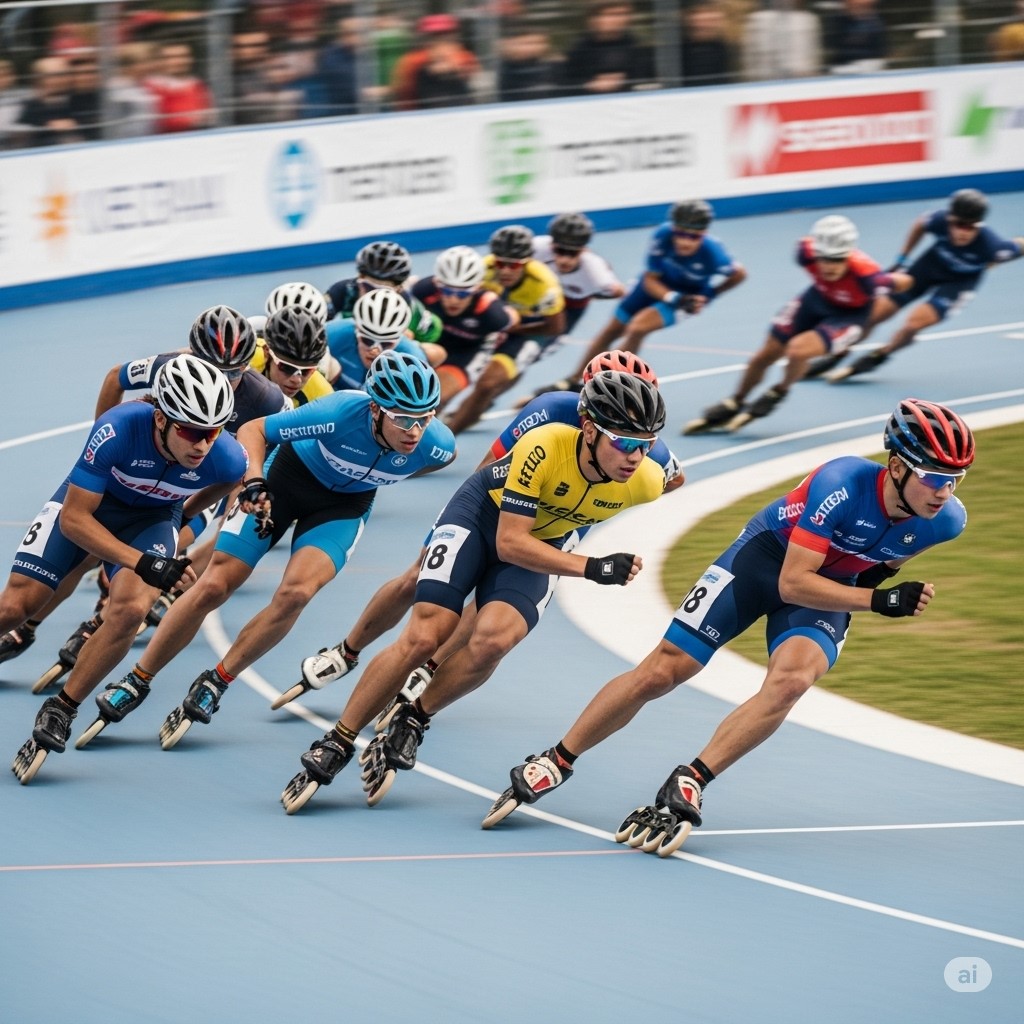
The Thrilling World of Inline Speed Skating: A Deep Dive into Its Origins, Growth, and Impact
Inline Speed Skating is a dynamic sport that blends athleticism, strategy, and raw speed. Known for its high-intensity races and sleek inline skates, this sport has gained attention worldwide. Although not as mainstream as soccer or basketball, Inline Speed Skating maintains a strong, passionate following. Its roots are deep, and its reach is wide. In this post, we will explore the fascinating history of Inline Speed Skating, its global popularity, amateur development programs, professional leagues, social and political impact, and the detailed rules that govern the sport.
The Origin and History of Inline Speed Skating
The origins of Inline Speed Skating trace back to the invention of roller skates in the 18th century. These early models had a basic design, more suitable for artistic performances than racing. The modern concept began to take shape in the 1980s. During this period, inline skate designs improved drastically, leading to the birth of a new competitive sport.
In the early 1980s, the Rollerblade company revolutionized the industry. They created inline skates that featured wheels arranged in a single line. This design offered better speed and control. Soon, racing events began to take place in the United States and Europe.
By the late 1980s and early 1990s, official competitions emerged. The International Roller Sports Federation (FIRS), now known as World Skate, began organizing world championships. These events gave structure and legitimacy to the sport. During the 1990s, Inline Speed Skating grew exponentially, both in participation and viewership.
Global Popularity and Regional Hotspots
Today, Inline Speed Skating enjoys international recognition. It is especially popular in countries like Colombia, Italy, South Korea, France, and the United States. Each of these nations has contributed uniquely to the sport’s development.
Colombia stands out as a powerhouse. The country consistently produces world-class skaters who dominate international competitions. Cities like Bogotá and Medellín have large training facilities and robust youth programs.
Italy has a long history with skating sports. Inline Speed Skating events attract large crowds, and the country regularly hosts international tournaments. Italian athletes often rank high in world standings.
South Korea’s disciplined approach to sports training has translated well to Inline Speed Skating. The country has developed advanced coaching systems and athlete development pipelines.
France and the United States also play significant roles. France integrates the sport into community events and school programs. The U.S. focuses on club-level competitions, with national championships that serve as stepping stones to global events.
Additionally, other regions like China, Argentina, and Germany have seen increasing interest. These nations are investing in training programs, rinks, and national competitions.
Amateur Inline Speed Skating: Youth and School Programs
The development of Inline Speed Skating starts at the grassroots level. Around the world, children begin training as early as five years old. Skating clubs serve as the primary entry point for young athletes.
In Colombia, youth development is taken seriously. Public and private partnerships fund skating academies. These institutions offer rigorous training, academic support, and nutrition programs.
In Europe, many schools include Inline Speed Skating in their physical education curriculum. This exposure encourages participation and talent identification. In Italy, regional competitions for children are organized every few months.
The United States emphasizes club-level competition. Amateur skaters participate in local and national events. The USA Roller Sports organization governs these events and maintains athlete rankings.
Asian countries like South Korea and China are investing in school-based programs. These include weekend workshops and seasonal camps. The focus is on building foundational skills and introducing competitive formats early.
Amateur athletes benefit from access to quality equipment and coaching. Online platforms also play a role. Many young skaters use video tutorials and virtual coaching to improve their skills.
Professional Leagues and Competitive Circuits
While Inline Speed Skating lacks a unified global professional league, several regional circuits offer professional-level competition. These events attract elite skaters from around the world.
The World Skate Games serve as the sport’s premier global event. Held every two years, it features the best athletes from each country. Events include road and track races, marathons, and time trials.
In Europe, the European Cup series provides a structured circuit. Athletes compete in multiple countries, accumulating points throughout the season. Italy, Germany, and France host key stages of the tour.
Colombia has a professional domestic league. Sponsored by both government and private entities, it features televised races and significant prize money. Many international skaters participate to gain experience.
In the United States, the National Roller Sports Championships act as the highest competitive level. Though not professional in structure, these events draw elite amateur skaters.
South Korea and China are working on establishing formal professional leagues. Pilot events have already tested league formats and attracted sponsors.
Political and Social Significance of the Sport
Inline Speed Skating holds unique social and political value. In Colombia, the sport serves as a tool for social change. Many skaters come from low-income neighborhoods. Government programs use the sport to offer structure and purpose.
The Colombian government has invested heavily in skating infrastructure. These investments have improved community morale and youth engagement. The success of Colombian skaters brings national pride.
In Europe, the sport promotes community cohesion. Local races double as cultural events. Families gather, vendors sell food, and music fills the air.
South Korea views the sport as part of its national fitness strategy. Schools incorporate it to combat sedentary lifestyles and build discipline.
In the United States, the sport fosters grassroots activism. Skating clubs advocate for better public rinks and urban skate trails. These efforts build community and promote healthy living.
The sport also encourages gender equality. Inline Speed Skating features equal opportunities for men and women. Prize money, media coverage, and sponsorships are often balanced across genders.
Rules and Formats of Inline Speed Skating
Inline Speed Skating includes various race formats. The most common types are track, road, and marathon races. Each format has unique rules and strategies.
Track races take place on oval tracks, usually 200 meters long. Events include sprints, points races, and elimination races. Sprints cover short distances like 500 or 1,000 meters. Points races award points at set intervals. In elimination races, the last skater at each interval is removed.
Road races occur on closed street circuits. These tracks often include sharp turns and elevation changes. Strategy plays a bigger role due to varying terrain.
Marathons are the longest events, covering 42 kilometers. These races demand endurance and tactical skill. Drafting behind other skaters is common to conserve energy.
Skaters wear specialized suits and helmets. Wheels must meet size and hardness regulations. Most skates have four to five wheels arranged in a straight line.
Timing systems are electronic and precise. False starts result in warnings or disqualifications. Contact is monitored strictly, and penalties are given for unsportsmanlike behavior.
Skaters use strategic formations. Teams work together, using drafting and blocking techniques. Communication is key during these races.
Officials oversee all events. Judges monitor contact, positioning, and adherence to rules. Video review is available for high-level competitions.
Conclusion
Inline Speed Skating is more than just a fast-paced sport. It represents cultural identity, national pride, and personal achievement. From its early origins to its modern professional circuits, the sport has come a long way. Its global reach continues to expand, fueled by passionate athletes and supportive communities.
Youth programs ensure a steady stream of talent. Professional leagues and international events offer a platform for excellence. The rules of the sport maintain fairness and excitement. Socially and politically, Inline Speed Skating contributes to community development and global unity.
With its thrilling races and diverse formats, Inline Speed Skating is a sport worth watching and supporting. As awareness grows, so will its influence and impact across the globe.