
Jet Sprint Boat Racing: The High-Octane Sport Making Waves Worldwide
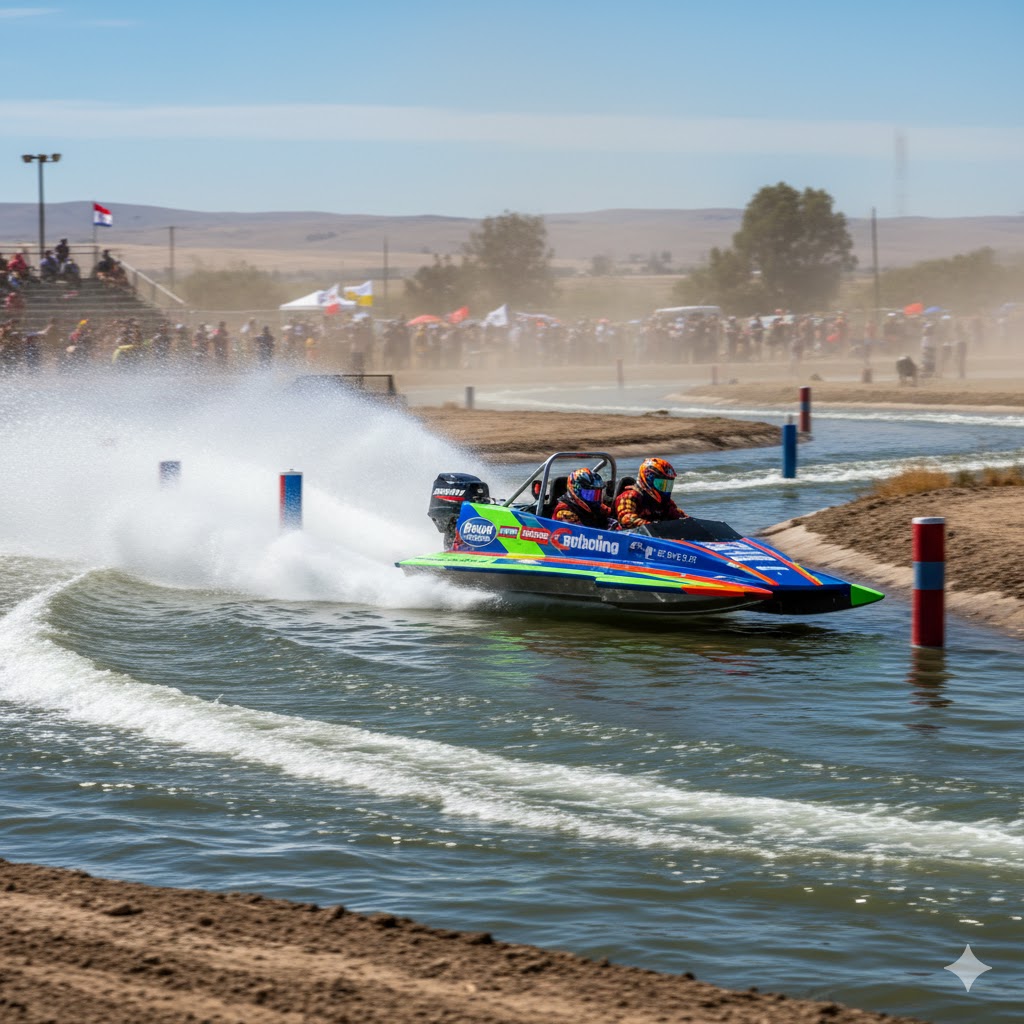
Jet Sprint Boat Racing is one of the most thrilling water sports on the planet. It blends speed, precision, and teamwork into an electrifying spectacle. Originating in New Zealand, it has carved a niche as both an amateur and professional pursuit. With growing interest across continents, it continues to gain momentum. Fans love the sport for its drama, accessibility, and unique culture.
The Origins of Jet Sprint Boat Racing
The sport began in the early 1980s in New Zealand. Farmers in the region first built boats to navigate irrigation canals quickly. As curiosity turned into competition, enthusiasts began organizing informal races. It didn’t take long before formal tracks emerged.
By 1981, the inaugural World Series was held in Wanganui. Early races featured naturally aspirated engines and hand-dug tracks. Within a few years, tracks became more elaborate. Engine technology advanced as well. Spectators started showing up in greater numbers.
New Zealand’s open terrain made it ideal for shallow channels and tight corners. Competitors modified farm irrigation canals into sprint tracks. This innovation gave birth to a new motorsport. Unlike traditional boating, Jet Sprint Boat Racing requires extreme precision and rapid acceleration in under one meter of water.
Evolution of the Sport Over the Years
As the sport matured, Australia adopted it in the late 1980s. American enthusiasts picked it up in the 1990s. Each country added its unique flair. Australia focused on professionalization. The U.S. emphasized entertainment.
Technological improvements revolutionized the sport. Boats evolved from 200-horsepower machines to beasts exceeding 1500 horsepower. Hulls became lighter and stronger. Navigation systems became more refined.
The co-pilot’s role also grew more critical. Once considered an accessory, the navigator became an essential team member. Communication between driver and navigator could make or break a race.
Today, many tracks use computer-aided designs. Each track offers unique challenges, such as hairpin turns, S-curves, and blind corners. Teams often build and test boats during the off-season.
Global Popularity and Reach
Jet Sprint Boat Racing has found fan bases on several continents. Besides New Zealand and Australia, it thrives in the United States and Canada. European interest has increased in recent years.
In New Zealand, it is part of the national identity. Races are broadcasted on major networks. Australia hosts regular events with corporate sponsorship. The U.S. circuit attracts fans from motorsports and boating communities alike.
Some countries in Europe have started building their own tracks. Though still in its infancy there, the sport continues to attract attention. Events are often streamed online, increasing accessibility.
International championships bring together teams from various nations. These events foster camaraderie and global recognition. The World Jet Sprint Championship rotates locations each year.
Social media plays a big role in global popularity. Clips of races go viral, showcasing high-speed maneuvers and spectacular crashes. Influencers and athletes share behind-the-scenes content, engaging new audiences.
Amateur Jet Sprint Boat Racing: Youth and Community Involvement
The sport is accessible to amateurs through community clubs and regional leagues. Many local organizations host training camps. These clubs focus on safety, skills, and fun.
Youth involvement is growing fast. Some high schools include Jet Sprint Boat Racing in extracurricular activities. In Australia and New Zealand, youth leagues have emerged. These leagues allow teens to learn mechanics, teamwork, and navigation.
Colleges in New Zealand sometimes offer scholarships related to motorsports. Students can combine engineering studies with racing. This integration creates future professionals in the sport.
Community events often feature amateur races. These races attract families, tourists, and potential sponsors. Local governments sometimes fund youth programs. These initiatives promote healthy competition and community pride.
Amateur leagues usually have different engine and hull requirements. This makes it more affordable. Clubs often share resources, boats, and safety gear.
Professional Leagues Around the Globe
Several professional leagues govern Jet Sprint Boat Racing worldwide. The New Zealand Jet Sprint Association (NZJSA) manages the sport’s most iconic league. It hosts events that draw international competitors.
Australia’s V8 Superboats Championship is another premier league. Known for its intense competition, it attracts top-tier teams. Events are held in various cities, offering regional diversity.
In the U.S., the American Sprint Boat Racing Association (ASBRA) organizes seasonal championships. These events often include fan zones, food trucks, and live entertainment. The focus is on both sport and spectacle.
Canada is also developing a competitive scene. Though smaller, it is steadily growing. Leagues coordinate with U.S. organizations for cross-border events.
The World Jet Sprint Championship is the most prestigious global event. It features teams from multiple continents. Each team must adapt to different track designs and weather conditions.
Sponsorship is vital in professional leagues. Brands related to marine products, energy drinks, and automotive parts frequently invest. Professional teams often employ mechanics, publicists, and trainers.
Rules of Jet Sprint Boat Racing
Each race features a time-trial format. One boat competes at a time. Tracks are usually under one kilometer in length. The goal is to complete the course as fast as possible without errors.
Courses contain between 25 to 30 turns. Racers must memorize the correct path. A navigator sits beside the driver to guide them. Communication is key.
Boats must pass technical inspections. These inspections check safety equipment, engine specs, and hull dimensions. Different classes exist based on engine power and boat weight.
A false start or missed turn leads to disqualification. Precision is as important as speed. Each event has multiple rounds, narrowing down to a final showdown.
Teams must adhere to strict safety protocols. Life vests, roll cages, and helmets are mandatory. Medical staff are always on standby.
Point systems determine rankings. Accumulated points across the season decide overall champions. Penalties apply for infractions.
Weather can impact races. Rain may cancel or delay events. Some tracks have lighting for night races, adding an extra layer of excitement.
Political and Social Significance
Jet Sprint Boat Racing plays a role beyond just sport. In rural communities, it drives economic activity. Events bring in tourism revenue. Local businesses benefit from increased foot traffic.
Politicians often support racing events. They view them as tools for regional development. Infrastructure investments sometimes follow major races.
The sport also fosters international diplomacy. During world championships, countries engage in cultural exchange. Teams often share facilities and experiences.
Socially, the sport breaks barriers. Both men and women compete at high levels. Co-ed teams are common. This promotes gender equality.
Jet Sprint Boat Racing encourages STEM involvement. Young fans often get inspired to pursue engineering or mechanics. Educational outreach programs are increasingly common.
Environmental considerations are taken seriously. Modern boats use fuel-efficient engines. Some organizations partner with environmental groups. They focus on reducing ecological impact.
Conclusion
Jet Sprint Boat Racing is more than a high-speed thrill ride. Its roots in New Zealand farming culture give it authenticity. Its global reach underscores its universal appeal.
From amateur leagues to elite competitions, the sport offers something for everyone. Youth programs, professional circuits, and community events all play a part. Technological innovation, team dynamics, and precision make each race unforgettable.
As more nations build tracks and develop teams, the future looks bright. Jet Sprint Boat Racing is not just surviving; it is thriving. Fans, athletes, and communities are riding the wave together.
With deep social, political, and cultural implications, the sport continues to leave its mark. Whether you’re a newcomer or a veteran fan, Jet Sprint Boat Racing delivers an unmatched experience.