
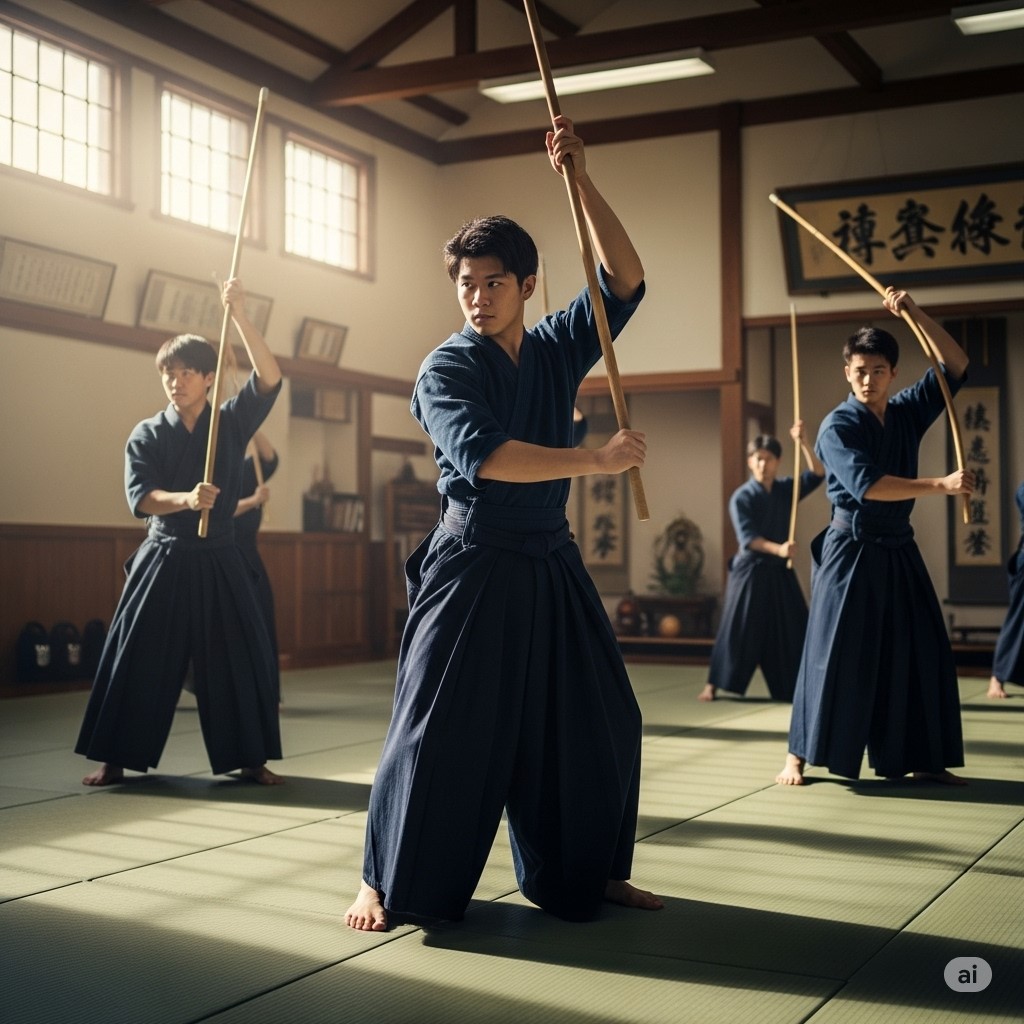
Jodo: The Martial Art of the Staff
Jodo is a traditional Japanese martial art that centers around the use of a four-foot wooden staff known as a jo. As a discipline, Jodo trains practitioners to defend against a sword-wielding opponent using precise movements, quick reflexes, and refined techniques. Although deeply rooted in Japanese history, Jodo has transcended cultural boundaries and found practitioners across the globe. This blog will explore the origin and history of the sport, its global popularity, how it is practiced at amateur levels, the professional organizations involved, and its cultural and political significance. By the end, readers will understand why Jodo holds a unique place in the world of martial arts.
The Origins and Historical Development of Jodo
Jodo began in Japan during the early 17th century. The founder of the art was Muso Gonnosuke Katsuyoshi, a samurai warrior and martial artist. According to legend, Muso challenged the famed swordsman Miyamoto Musashi and lost. Determined to improve his skills, he retreated into meditation and intense training. Inspired during this period, Muso developed a new fighting system using the jo, a shorter and more versatile weapon than the traditional long staff.
Muso’s innovation allowed for quick thrusts, sweeps, and blocks. He designed the techniques to counter sword attacks effectively. After refining his methods, he again challenged Musashi. This time, using the jo, Muso managed to defeat or at least match Musashi, depending on which historical account is accepted.
Following this encounter, Muso formalized the techniques into a system known as Shinto Muso-ryu. It became widely taught within the Kuroda clan, one of Japan’s ruling families. Over time, the art evolved with additional kata (forms) and techniques added by Muso’s students and successors. The jo’s effectiveness and versatility helped the art endure even as Japan moved into the Edo period, an era of relative peace.
During this peaceful time, the martial applications of Jodo shifted from battlefield utility to personal discipline and law enforcement. Japanese police used Jodo for non-lethal self-defense. The principles of control, precision, and restraint made it ideal for subduing rather than killing. These attributes set Jodo apart from other martial arts that focused on lethal force.
In the 20th century, Jodo was systematized further for teaching in modern Japan. The All Japan Kendo Federation (ZNKR) created a standard set of twelve forms known as Seitei Jodo. These forms drew from Shinto Muso-ryu but were designed for broader instruction. The codification of these forms helped spread Jodo beyond its traditional schools.
Global Popularity and Regional Practices
Although Jodo originated in Japan, its practice has expanded worldwide. The sport gained international attention in the mid-20th century, thanks to martial arts demonstrations and cultural exchange programs. Practitioners established dojos in North America, Europe, Australia, and even parts of South America.
Europe has embraced Jodo with particular enthusiasm. Countries such as France, Germany, and the United Kingdom have thriving communities. National federations support the sport, and instructors often receive training in Japan to maintain authenticity.
In North America, especially the United States and Canada, Jodo remains a niche martial art. However, dedicated dojos and training seminars have kept interest alive. Many American practitioners travel to Japan or invite Japanese instructors to deepen their understanding.
Australia and New Zealand also host active Jodo communities. These regions benefit from strong ties to Japan and a general interest in Asian martial arts. Annual seminars and grading events help maintain standards and encourage growth.
Jodo’s appeal lies in its elegance, efficiency, and philosophical depth. Unlike more combative sports, Jodo emphasizes harmony, control, and personal development. This broader appeal has attracted practitioners from various cultural and professional backgrounds.
Amateur Practice and Youth Involvement
Amateur Jodo is widely practiced in community dojos, cultural centers, and universities. Classes are often open to all age groups and skill levels. Instructors focus on foundational techniques, kata, and etiquette. Students progress through ranks, from beginner to advanced, marked by colored belts or certificates.
Youth involvement in Jodo is growing, although it remains less common than other martial arts. In Japan, some schools offer Jodo as part of physical education or extracurricular activities. Students learn discipline, focus, and respect through the practice.
Outside Japan, youth programs depend on local dojo efforts. Enthusiastic instructors often run workshops and summer camps to introduce children to the sport. Parents appreciate Jodo’s non-violent philosophy and structured learning environment.
University clubs play a vital role in amateur Jodo development. These clubs foster community and provide access to experienced instructors. Competitions and joint training sessions between universities are common, promoting camaraderie and skill development.
Amateur tournaments, though less frequent than in other martial arts, do occur. Participants perform kata in front of judges who assess technique, timing, and spirit. These events motivate students and raise public awareness of the sport.
Professional Leagues and International Bodies
While Jodo lacks the commercialized professional leagues seen in sports like soccer or basketball, it does maintain a structured system through international federations. The most prominent is the All Japan Kendo Federation (ZNKR), which oversees Jodo rankings and certifications.
ZNKR’s influence extends worldwide. Many national federations align their curriculum and grading standards with ZNKR guidelines. This consistency ensures that practitioners from different countries can train and compete together seamlessly.
Europe’s Jodo community benefits from the European Kendo Federation (EKF), which organizes annual seminars and examinations. These events often feature high-ranking instructors from Japan. They provide continuity and authority to Jodo practice outside Japan.
The International Jodo Federation (IJF) also works to connect practitioners across continents. Although smaller than some martial arts organizations, the IJF promotes events, publishes educational materials, and encourages cross-cultural training.
Professional-level practitioners often become instructors, authors, or seminar leaders. While not professional athletes in the commercial sense, their influence and expertise shape the sport’s evolution. Many hold high dan (rank) grades and have dedicated decades to practice.
Demonstration events and cultural festivals often invite professional-level practitioners. These performances help attract new students and spread awareness of the art.
Social and Political Significance of Jodo
Jodo carries profound social and cultural weight in Japan and beyond. As a descendant of samurai traditions, it embodies values such as honor, respect, and self-discipline. Practicing Jodo encourages mindfulness, patience, and inner strength.
In Japan, Jodo is part of the broader effort to preserve cultural heritage. It is included in traditional arts festivals, museum exhibits, and historical reenactments. Through these activities, the public gains appreciation for the martial ethos that shaped Japan’s past.
Outside Japan, Jodo acts as a cultural bridge. Practitioners gain insights into Japanese philosophy, etiquette, and aesthetics. Training in Jodo often includes studying language, history, and customs. This holistic approach fosters mutual understanding and respect.
Politically, Jodo supports soft diplomacy. Japan has used martial arts as a tool for cultural outreach since the post-World War II era. By promoting Jodo and other arts, Japan enhances its global image and builds goodwill.
On a social level, Jodo builds community. Practitioners form strong bonds through shared effort and mutual respect. Seminars, tournaments, and training camps create lifelong friendships and networks.
Jodo also offers personal empowerment. Its disciplined structure helps individuals overcome fear, stress, and self-doubt. Practitioners often report improved confidence, clarity, and resilience.
Rules and Structure of Jodo Practice
Jodo practice revolves around kata, or pre-arranged forms. Each kata simulates a combat scenario between a jo-wielding defender and a sword-wielding attacker. Precision, timing, and spirit matter more than brute strength.
Typically, two practitioners perform a kata together. One takes the role of uchidachi (sword attacker), and the other acts as shidachi (jo defender). Roles alternate during training to develop comprehensive skills.
Each kata has defined movements. Practitioners must execute strikes, blocks, and thrusts with exacting control. Footwork, posture, and breathing must also align with tradition.
The twelve standard Seitei Jodo kata include:
- Tsuki Zue
- Suigetsu
- Hissage
- Shamen
- Sakan
- Monomi
- Kasumi
- Tachi Otoshi
- Rai Uchi
- Seigan
- Midare Dome
- Ran Ai
Judges assess kata based on form, timing, balance, and mental focus. Instructors provide feedback to help students refine their technique. Rank progression depends on consistent improvement and successful examination.
Safety remains a top priority. Practitioners wear minimal protective gear because Jodo emphasizes control. Wooden weapons reduce the risk of injury when used correctly.
Training sessions begin with warm-ups and basic drills. These include suburi (repeated striking), footwork patterns, and paired exercises. Beginners focus on posture and grip. Advanced students work on fluid transitions and advanced kata.
Etiquette is strictly observed. Bowing before and after practice, addressing instructors respectfully, and maintaining cleanliness reflect the art’s cultural roots.
Conclusion: The Enduring Appeal of Jodo
Jodo offers a unique blend of physical discipline, cultural immersion, and personal growth. Its roots in samurai tradition give it historical depth, while its emphasis on control and respect makes it relevant today. The sport continues to grow worldwide through dedicated practitioners, cultural events, and international cooperation.
From the quiet dojos of Tokyo to university clubs in Europe, Jodo thrives on passion and precision. While it may never attract stadium-sized crowds, its true value lies in its ability to transform individuals. The path of the jo is not easy, but for those who walk it, the rewards are profound.
Whether you’re a curious beginner or a seasoned martial artist, exploring Jodo can open new dimensions of understanding, discipline, and connection.