
Introduction
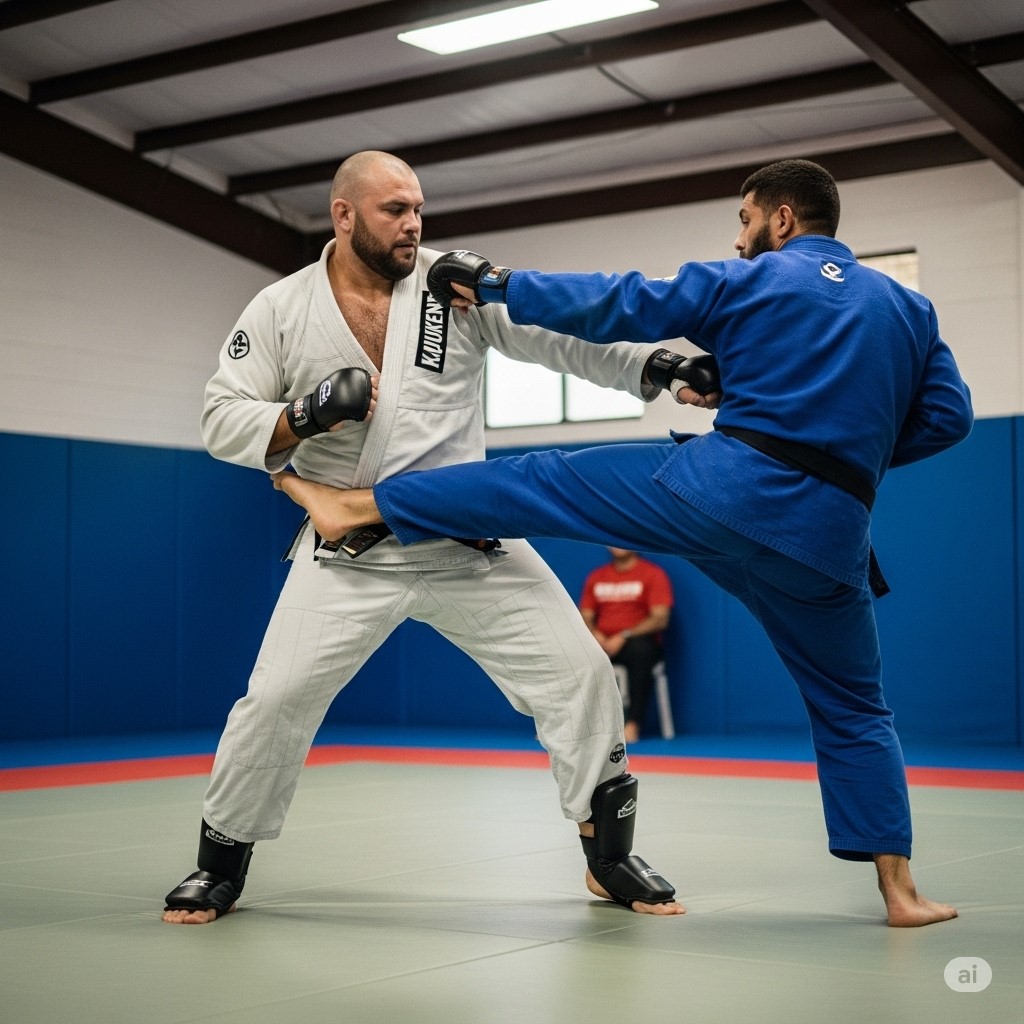
Kajukenbo is a powerful blend of martial arts that stands out for its unique combination of techniques. This sport merges the best from multiple disciplines. It traces its roots back to Hawaii in the 1940s. It was forged by masters who wanted a realistic form of self-defense. This makes Kajukenbo a discipline designed for real-world situations instead of pure sport. Furthermore, Kajukenbo’s popularity crosses borders and resonates with practitioners across the globe today. This growing discipline maintains its strong traditions while continually evolving alongside modern combat practices. Furthermore, many practitioners appreciate its realistic approach, employing a blend of striking, grappling, and submission techniques. The result is a well-rounded martial art applicable to both self-defense and sport.
Origin and History of Kajukenbo
It was created by a group called the Black Belt Society. This team consisted of masters from Korean, Japanese, Chinese, Kenpo, and Boxing backgrounds. Each master contributed their expertise to create a hybrid form of combat. This blend made Kajukenbo a realistic and effective martial art from its earliest days. The Black Belt Society drew upon their extensive knowledge to combine striking, grappling, and defensive techniques into a coherent system. This made Kajukenbo a powerful discipline that prepares practitioners for virtually any physical conflict. An example of its rich history includes the tale of Professor Adriano Emperado, who was a key founder and passionate teacher of the art. His stories of discipline, loyalty, and service profoundly influenced the growth of Kajukenbo.
Popularity of Kajukenbo Global and Where It Is Played
Today, it is practiced by individuals all over the world. The sport’s adaptability resonates with many practitioners who appreciate its realistic approach to self-defense. From the United States and Canada to European and Asian countries, you will find clubs and schools offering training in Kajukenbo. Furthermore, many organizations sponsor seminars and tournaments, adding to its growing popularity and visibility. Currently, there are over 500 schools across 30 countries, demonstrating its strong international appeal. This data highlights the growing community surrounding Kajukenbo and its strong following today.
Amateur Kajukenbo: Youth and School Levels
Amateur Kajukenbo is a crucial aspect of its growth. Young people learn discipline, confidence, and physical skills through this sport. Often, schools and community centers sponsor clubs or leagues. This allows children to appreciate a form of martial art that prepares them for future challenges while honoring tradition and discipline. Furthermore, many programs include character-building components alongside physical training, instilling a strong moral compass in their practitioners. According to a testimony from a young practitioner, Alex Harper, “Kajukenbo taught me discipline, control, and patience — traits I carry forward in all aspects of my life.”
Professional Leagues and Global Associations
It is not only an amateur discipline; it also offers a platform for professional leagues. Some leagues sponsor tournaments where practitioners can demonstrate their skills and prowess. Furthermore, these leagues enable high-caliber competitors to connect, learn from each other, and grow their expertise. This, in turn, helps to raise the profile of Kajukenbo globally. The World Kajukenbo Association, for instance, organizes annual events and seminars to foster community and education in the discipline.
Political and Social Significance of Kajukenbo
Kajukenbo holds significance for many people, both socially and politically. It stands for unity, discipline, fairness, and justice. Furthermore, this discipline brings together practitioners from many backgrounds and helps foster understanding and peace within their communities. An example is a community center in Los Angeles where Kajukenbo training helps at-risk youth avoid trouble and learn a constructive path forward. This makes it a powerful vehicle for positive social change.
Rules of Kajukenbo
Competitors follow a set of clear and fair rules during a match. Combatants score points by delivering strikes, employing submission holds, or demonstrating control. Furthermore, safety equipment, oversight by trained judges, and a strong code of ethics enable competition to proceed safely and respectfully.
Conclusion
Kajukenbo offers a rich blend of physical discipline, realistic training, and strong moral guidance. This sport resonates with people across the globe, helping them grow both physically and mentally. Furthermore, through its growing popularity, Kajukenbo strengthens the bonds within and across communities, fostering understanding, discipline, and peace.