
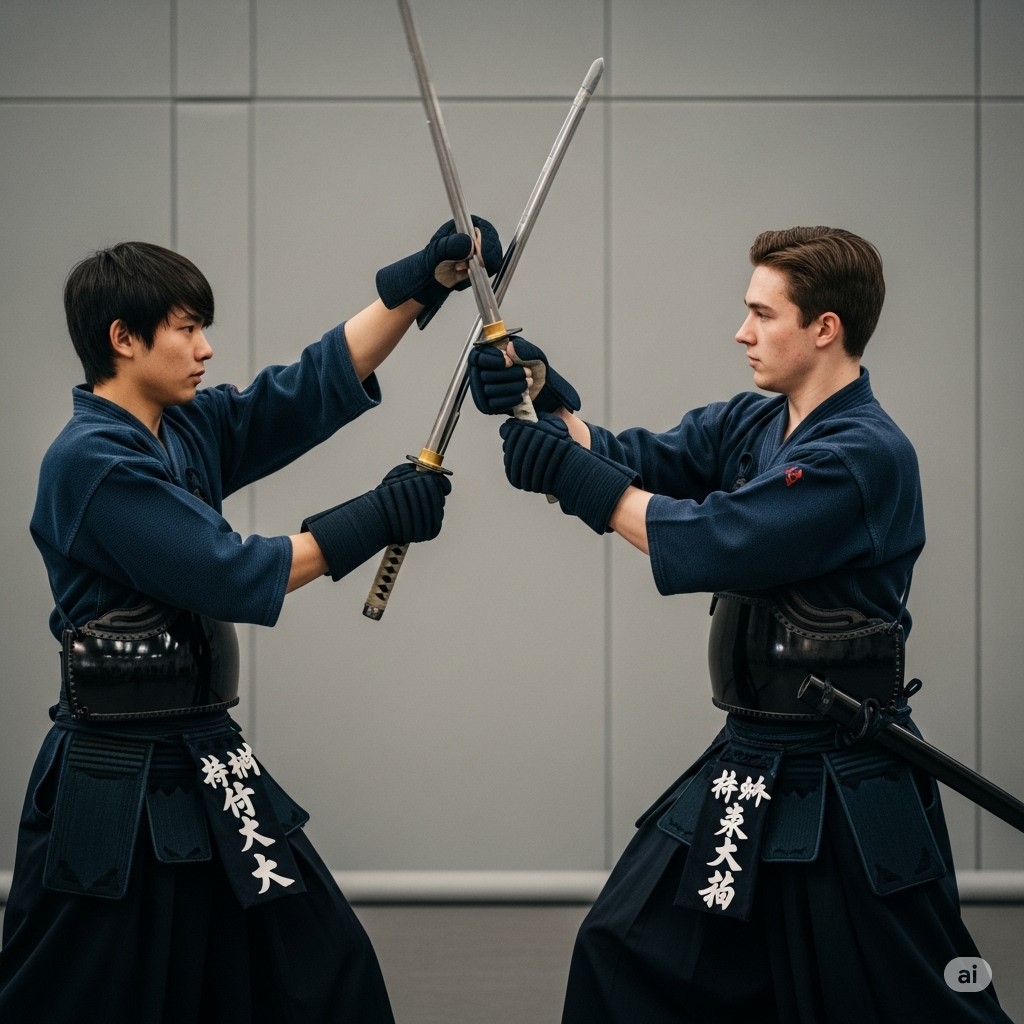
The Art and Sport of Kenjutsu: Tradition Meets Discipline
Kenjutsu is more than swordplay. It is a martial art rich in history, cultural heritage, and deep philosophical roots. As one of Japan’s oldest combat systems, Kenjutsu has evolved from battlefield warfare to structured sport. Today, this traditional sword art is practiced globally, bridging ancient discipline with modern training. In this comprehensive guide, we explore the origin, evolution, global reach, amateur and professional practice, and social importance of Kenjutsu.
The Origins and Historical Evolution of Kenjutsu
It originated in feudal Japan during the Heian period (794–1185). Samurai warriors trained extensively in this sword art to protect their lords and defend their honor. Unlike Kendo, which emerged later as a more modern, sport-oriented discipline, Kenjutsu focused on real combat scenarios.
During the Kamakura period (1185–1333), military governments formalized samurai training. Swordsmanship became more than survival—it was a matter of pride and social status. Various schools, known as ryu-ha, emerged. Each school refined its own tactics, techniques, and philosophies. The Katori Shinto Ryu and Kashima Shinto Ryu are among the oldest and most revered styles.
By the Sengoku period (1467–1603), Japan was engulfed in civil war. Sword fighting advanced dramatically. Samurai trained relentlessly, and their methods were meticulously documented. Schools like Yagyu Shinkage Ryu and Itto Ryu gained fame. Many of these traditions remain alive today.
The Edo period (1603–1868) brought relative peace. As a result, Kenjutsu transitioned from battlefield necessity to martial discipline. Samurai continued to train, but their role shifted. They became bureaucrats, scholars, and retainers. Training focused more on mental discipline and personal development.
With the Meiji Restoration (1868), Japan modernized rapidly. The samurai class dissolved. Kenjutsu lost prominence but never disappeared. In the early 20th century, it contributed to the creation of Kendo. However, traditionalists preserved Kenjutsu in classical schools.
Global Popularity
Today, Kenjutsu enjoys global recognition. Though not as mainstream as Kendo or Judo, it attracts martial artists, historians, and cultural enthusiasts worldwide. Japan remains the epicenter of Kenjutsu practice, but its influence extends far beyond.
In the United States, numerous dojos offer instruction in traditional Japanese sword arts. Major cities like Los Angeles, New York, and San Francisco host schools led by certified instructors. These dojos often affiliate with lineages directly connected to Japanese ryu-ha.
Europe has embraced Kenjutsu as well. In France, Germany, and the United Kingdom, practitioners form active communities. These groups attend seminars, tournaments, and international training camps. European Kenjutsu federations promote cross-border collaboration.
Australia and Canada also maintain vibrant Kenjutsu scenes. National organizations support practitioners, standardize ranking systems, and coordinate events. Many instructors travel to Japan regularly to study under grandmasters.
Latin America is witnessing growing interest. Brazil and Argentina, in particular, have hosted large martial arts festivals. Kenjutsu demonstrations draw significant crowds, showcasing both skill and tradition.
Across Asia, outside Japan, Kenjutsu remains respected. In countries like South Korea, China, and Indonesia, enthusiasts study Kenjutsu alongside other martial disciplines. The shared heritage of swordplay across Asian cultures fosters mutual appreciation.
Amateur Kenjutsu: Training the Next Generation
Amateur Kenjutsu forms the backbone of the sport’s survival. Dojos across the world offer beginner classes for adults and youth. Instruction emphasizes discipline, safety, and respect. Classes often begin with basic footwork, posture, and sword handling.
Youth programs are expanding. In Japan, traditional schools occasionally collaborate with local education boards. Extracurricular sword training, often modeled after Kenjutsu, helps children develop focus, coordination, and resilience.
Outside Japan, youth programs are structured through community dojos. Some countries have youth divisions under their national Kenjutsu federations. These programs introduce basic kata (forms) and partnered drills. Safety gear, such as padded swords and gloves, ensures injury prevention.
Schools and universities also play a role. In the U.S. and Canada, some colleges include Kenjutsu clubs. These clubs often affiliate with larger organizations, allowing members to test for rank and participate in seminars.
Amateur tournaments exist but remain rare compared to Kendo events. Instead, practitioners gather for gasshuku—training camps where multiple schools train together. These events provide learning, networking, and skill development opportunities.
Instructors prioritize heritage and etiquette. Youth and amateur practitioners study not just physical techniques, but also the samurai code—Bushido. This emphasis on honor, humility, and perseverance distinguishes Kenjutsu from many modern sports.
Professional Kenjutsu Leagues and Organizations
Kenjutsu lacks the commercial professional leagues seen in sports like soccer or basketball. However, several global organizations uphold professional standards and host high-level events.
In Japan, classical koryu organizations preserve the ancient lineages. Groups like the Nihon Kobudo Shinkokai and Nihon Kobudo Kyokai oversee historical martial arts, including Kenjutsu. Their events feature high-ranking masters demonstrating rarely seen kata.
Internationally, organizations such as the International Martial Arts Federation (IMAF) and Dai Nippon Butoku Kai maintain Kenjutsu divisions. They certify instructors, hold ranking examinations, and promote cross-cultural exchange.
The World Budo Federation (WBF) includes Kenjutsu within its global framework. While not a league in the professional sports sense, it provides structured pathways for advancement and recognition.
Some Kenjutsu groups have developed competition formats. The Hyoho Niten Ichi Ryu, based on the style of Miyamoto Musashi, holds demonstration-based contests. These events are judged on technique, timing, and spirit, rather than direct combat.
Streaming platforms and martial arts documentaries have raised awareness of professional Kenjutsu. Shows often highlight master-apprentice relationships, lineage preservation, and the philosophy behind each technique.
Although traditionalists resist commercialization, modern professionals seek to balance tradition with accessibility. Certified instructors often operate full-time dojos. They publish books, produce instructional videos, and lead international seminars.
Political and Social Significance
Kenjutsu carries profound political and social significance in Japan and beyond. Historically, it shaped the warrior class’s ethos. The samurai ruled not only by force but by moral authority, shaped through Kenjutsu training.
During Japan’s modernization, Kenjutsu was used to cultivate national identity. The government reintroduced martial training into schools to foster discipline and unity. Though controversial, this initiative cemented martial arts in Japanese education.
Post-WWII, martial arts faced scrutiny. Occupying forces banned many traditional arts temporarily. However, Kenjutsu resurfaced as cultural heritage, not military training. This distinction preserved its place in modern Japanese society.
Today, Kenjutsu promotes cultural diplomacy. Japanese embassies often include martial arts demonstrations in international events. These displays showcase Japan’s history, discipline, and philosophy.
Socially, Kenjutsu builds character. Practitioners learn respect for others, patience in training, and humility in victory. Dojos function as micro-communities. Students of all ages and backgrounds train together, forging bonds beyond cultural lines.
Women have gained greater access to Kenjutsu in recent years. Historically male-dominated, the art now welcomes female practitioners and instructors. This inclusivity reflects broader changes in martial arts culture.
Furthermore, Kenjutsu supports mental health. The focus required for training provides a meditative outlet. Many students report reduced stress, increased self-confidence, and improved physical conditioning.
Rules and Structure of Kenjutsu Practice
Unlike Kendo, Kenjutsu does not follow a universal sport rulebook. Instead, each school or ryu adheres to its traditional forms and principles. However, some shared guidelines and conventions exist.
Training usually begins with rei—a bow to show respect. Students perform warm-ups, footwork drills, and suburi (sword swings). Practice then advances to paired kata using bokken (wooden swords) or fukuro shinai (padded bamboo swords).
Strikes focus on precision, not power. Target areas include the head, wrists, torso, and legs, depending on the style. Each strike must be delivered with correct posture, timing, and intent.
Sparring, called kumitachi or ji-geiko, is less common than kata. When conducted, it emphasizes control and flow rather than point-scoring. Safety gear is often worn, especially during more dynamic exchanges.
Ranking is usually non-competitive. Students progress through demonstration of kata and understanding of principles. Some schools use a dan/kyu system, while others award traditional licenses, such as mokuroku and menkyo.
Etiquette governs every aspect of practice. Students must maintain proper attire, bow upon entering and leaving the dojo, and treat weapons with reverence. These customs reflect the spiritual nature of the art.
Testing includes technical execution and philosophical understanding. Advanced practitioners may be required to write essays, teach juniors, and demonstrate lineage knowledge.
While each school preserves its unique curriculum, they share a reverence for mastery, humility, and self-cultivation.
Conclusion
Kenjutsu remains one of the most profound martial arts practiced today. Rooted in Japan’s ancient warrior culture, it continues to inspire practitioners worldwide. Its blend of physical discipline, historical tradition, and philosophical depth sets it apart from many modern sports.
Though it does not feature large commercial leagues or global tournaments, Kenjutsu thrives through dedicated dojos, passionate instructors, and loyal students. Its presence in youth programs, amateur circles, and cultural institutions ensures a strong future.
The sport plays a vital role in preserving history, promoting mental and physical well-being, and building global community. With each kata practiced and each sword raised in respect, the spirit of the samurai lives on.
Kenjutsu is not merely a sport—it is a way of life. Those who take up the sword do so with purpose, reverence, and a commitment to continuous growth.