
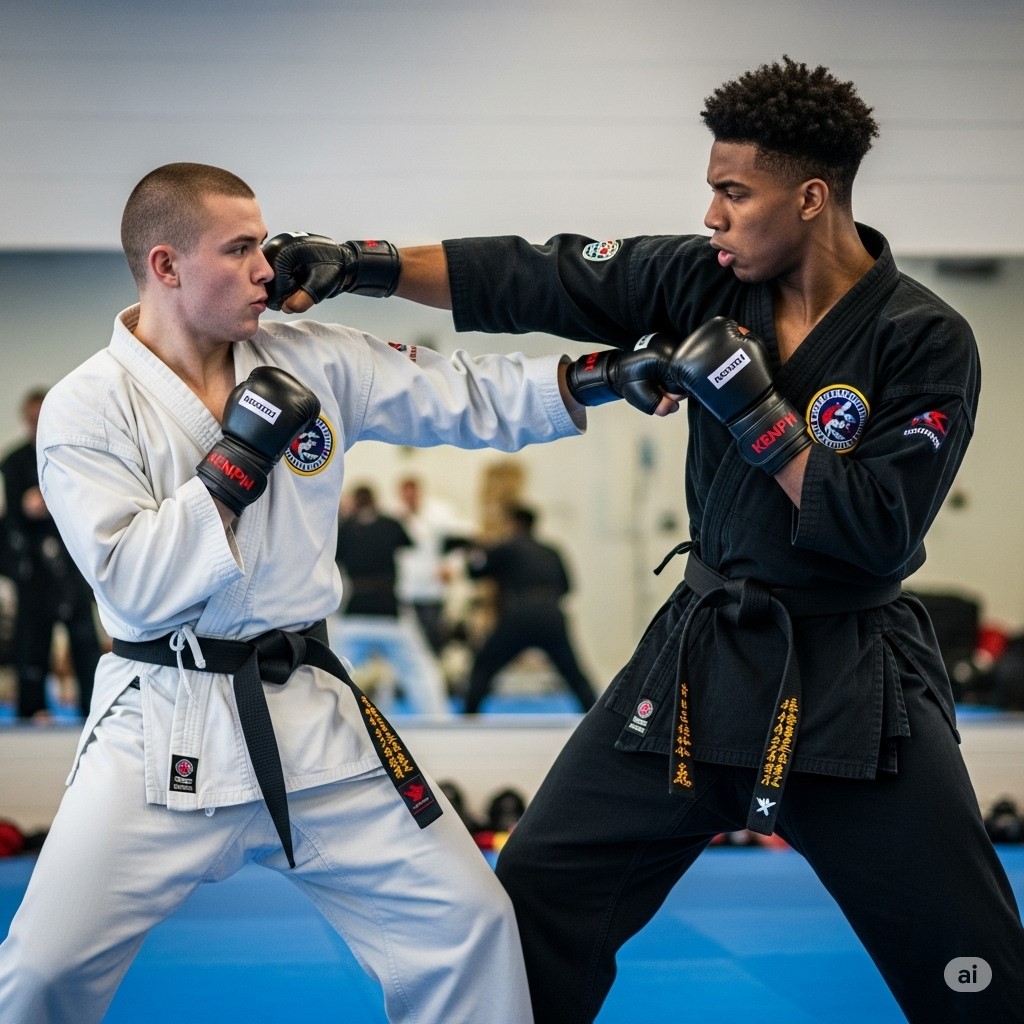
Kenpo: The Art, the Sport, and Its Global Influence
Kenpo is a martial art with deep roots and evolving traditions. Known for its blend of speed, power, and technique, it has captivated practitioners worldwide. The sport’s unique combination of self-defense and philosophy sets it apart. Over time, Kenpo has grown into a structured system practiced by amateurs and professionals alike. Today, it plays a significant role in education, culture, and even politics.
This blog post explores Kenpo’s origins, global popularity, amateur and professional scenes, its rules, and its social impact. By the end, you’ll understand how this dynamic sport continues to shape lives around the world.
Origins and History of Kenpo
Kenpo’s roots go back over a thousand years. It began in ancient China with the Shaolin monks, who used martial arts for physical conditioning and self-defense. Their early systems emphasized animal movements, balance, and the flow of energy.
Later, Buddhist monks traveled from China to Okinawa and Japan. They brought their martial arts with them, adapting techniques to local styles. In Japan, these Chinese methods blended with Jujutsu and Karate. This fusion eventually became known as Kenpo, which means “law of the fist” in Japanese.
The most influential modern figure in Kenpo’s development is James Mitose. Born in Hawaii in 1916, Mitose studied martial arts in Japan. He later returned to Hawaii and began teaching what he called “Kenpo Jiu-Jitsu.” One of his students, William K.S. Chow, further developed the style. Chow trained several important figures, including Ed Parker.
Ed Parker is considered the father of American Kenpo. He refined and systematized the art, emphasizing logic, flow, and adaptability. Parker founded the International Kenpo Karate Association (IKKA) in 1956. He also introduced it to Hollywood, training celebrities like Elvis Presley and helping spread the art across the U.S.
It continued to evolve in the 20th century. Different schools emerged, each adapting the system to their philosophies and techniques. However, the core principles—efficiency, economy of motion, and adaptability—remained constant.
Global Popularity of Kenpo
Kenpo enjoys a worldwide presence. It is especially strong in the United States, Canada, Mexico, and parts of Europe. Schools also exist in Australia, New Zealand, and South America.
In the U.S., thousands of dojos teach various Kenpo styles. American Kenpo is the most popular, thanks to Ed Parker’s influence. His efforts made Kenpo mainstream, and martial arts movies further boosted interest.
Mexico and South America have also embraced Kenpo. In these regions, practitioners often blend traditional techniques with local martial arts. Kenpo tournaments and seminars attract large audiences, especially in urban centers.
Europe shows growing interest, particularly in Spain, Germany, and the U.K. Organizations such as the European Kenpo Karate Association (EKKA) promote the sport across the continent. Annual championships and international workshops help maintain interest.
Asia, despite its own strong martial traditions, has smaller Kenpo communities. However, practitioners in countries like the Philippines and India continue to grow their presence. Australia and New Zealand have also seen a steady rise in Kenpo enrollment.
Digital platforms have expanded Kenpo’s reach. Online tutorials, classes, and forums make training accessible globally. Social media has played a key role in connecting practitioners and promoting the sport.
Amateur Kenpo: Youth and School Programs
Kenpo is widely taught in schools, community centers, and private academies. Programs for children often focus on discipline, focus, and physical fitness.
In elementary and high schools, it is sometimes included in physical education programs. These courses emphasize basic self-defense and confidence-building. In many countries, local dojos collaborate with schools to provide after-school programs. These partnerships allow children to train in a safe, structured environment.
Youth competitions are also common. Local tournaments encourage friendly competition and personal growth. Many events divide participants by age and experience to ensure fair matches.
Amateur Kenpo extends into colleges and universities. Some institutions offer martial arts clubs where students practice and compete. These groups often participate in regional and national competitions.
Amateur Kenpo programs emphasize character development. Instructors teach students to respect others, control their emotions, and think critically. These values align with Kenpo’s philosophy and make it ideal for youth development.
For many, amateur Kenpo is the first step toward a lifelong journey. Students often progress through colored belt ranks. Each level introduces more complex techniques and theories. Advancement is based on skill, not age or size, making it accessible to all.
Professional Kenpo Leagues and Competitions
Professional Kenpo leagues exist in many countries. These organizations promote the sport through structured competitions and global rankings.
The International Kenpo Karate Association (IKKA) remains the most recognized body. Founded by Ed Parker, it organizes global events and certifies black belts. The IKKA World Championships attract top talent from around the globe.
In Europe, the European Kenpo Karate Association (EKKA) hosts annual tournaments. These events include kata (forms), point sparring, and self-defense demonstrations. The EKKA also supports instructor certification and school development.
Latin America has seen rapid growth in professional Kenpo leagues. Countries like Mexico, Brazil, and Argentina hold regional championships. The Latin American Kenpo Confederation oversees many of these events.
Other key organizations include the American Kenpo Karate International (AKKI) and the World Kenpo Federation (WKF). These groups provide international standards and promote unity among Kenpo schools.
Professional competitions typically follow strict rules. Judges evaluate athletes on technique, speed, control, and creativity. Sparring matches use protective gear and point-based systems. This format ensures safety while showcasing skill.
Prize money and sponsorships are limited but growing. Some athletes gain visibility through social media and partnerships with martial arts brands. As Kenpo’s popularity rises, professional opportunities are expected to expand.
Political and Social Significance of Kenpo
Kenpo has long been more than just a sport. It carries significant social and political weight in many communities.
Socially, it promotes discipline, self-respect, and community values. Many dojos offer free classes to underserved youth. These programs reduce crime and encourage positive behavior. In urban areas, Kenpo has helped young people avoid gangs and drugs.
Community leaders often support martial arts initiatives. Some police departments even use Kenpo techniques in their defensive tactics training. These programs build trust between officers and citizens, reducing tension and promoting cooperation.
It also plays a role in cultural identity. In Hawaii, for example, the art reflects a blend of Asian and Polynesian influences. Practicing Kenpo connects people to their heritage while embracing diversity.
Politically, Kenpo has been used to promote diplomacy. Martial arts festivals bring together practitioners from different nations. These events foster understanding and break down cultural barriers.
Leaders often attend these gatherings to show support for peace and mutual respect. In some cases, governments fund martial arts programs as tools for youth development and international exchange.
Gender inclusion has also been a political focus. Kenpo dojos increasingly support female practitioners and instructors. This shift challenges stereotypes and empowers women through self-defense and leadership training.
Through social outreach, cultural exchange, and policy influence, Kenpo has become a tool for positive change.
Rules of Kenpo
Rules vary slightly between organizations, but core principles remain consistent. The sport includes both kata and sparring.
Kata Rules
Kata involves pre-arranged forms that demonstrate technique, balance, and precision. Judges score performances based on accuracy, timing, power, and fluidity. Most kata events allow individual or team entries.
Competitors must perform specific patterns suited to their belt level. Creativity is encouraged but must remain within the style’s boundaries. Improper execution or deviation can lead to point deductions.
Sparring Rules
Sparring events follow point-based systems. Fighters wear gloves, headgear, and foot pads. Matches usually last 2-3 minutes, depending on age and skill level.
Points are awarded for clean, controlled strikes to legal target areas. These include the torso, head, and legs. Excessive contact can lead to disqualification. Judges monitor the action from multiple angles to ensure fairness.
Blocking, footwork, and timing are essential for success. Kenpo sparring prioritizes speed and technique over brute force. Sweeps, takedowns, and joint locks are often restricted in sport settings to reduce injury risk.
General Guidelines
- Respect for referees, opponents, and instructors is mandatory.
- Competitors must bow before and after each match.
- Mouthguards are required in most tournaments.
- Uniforms must be clean and appropriate for the event.
Officials enforce these rules to maintain order and safety. Violations can result in warnings, point deductions, or disqualification.
Conclusion
Kenpo continues to grow as both a martial art and a global sport. Its rich history connects ancient traditions with modern innovation. Practiced on every continent, it thrives through schools, amateur programs, and professional leagues.
It offers more than physical skill. It builds character, fosters discipline, and bridges cultural gaps. Whether practiced by youth in school gyms or professionals in international arenas, it remains a powerful force for personal and social development.
Its structured system, global community, and core values ensure Kenpo’s legacy for generations to come. Through dedication and continued evolution, the sport will keep inspiring practitioners around the world.