
The Global Journey and Significance of Kinomichi: A Deep Dive
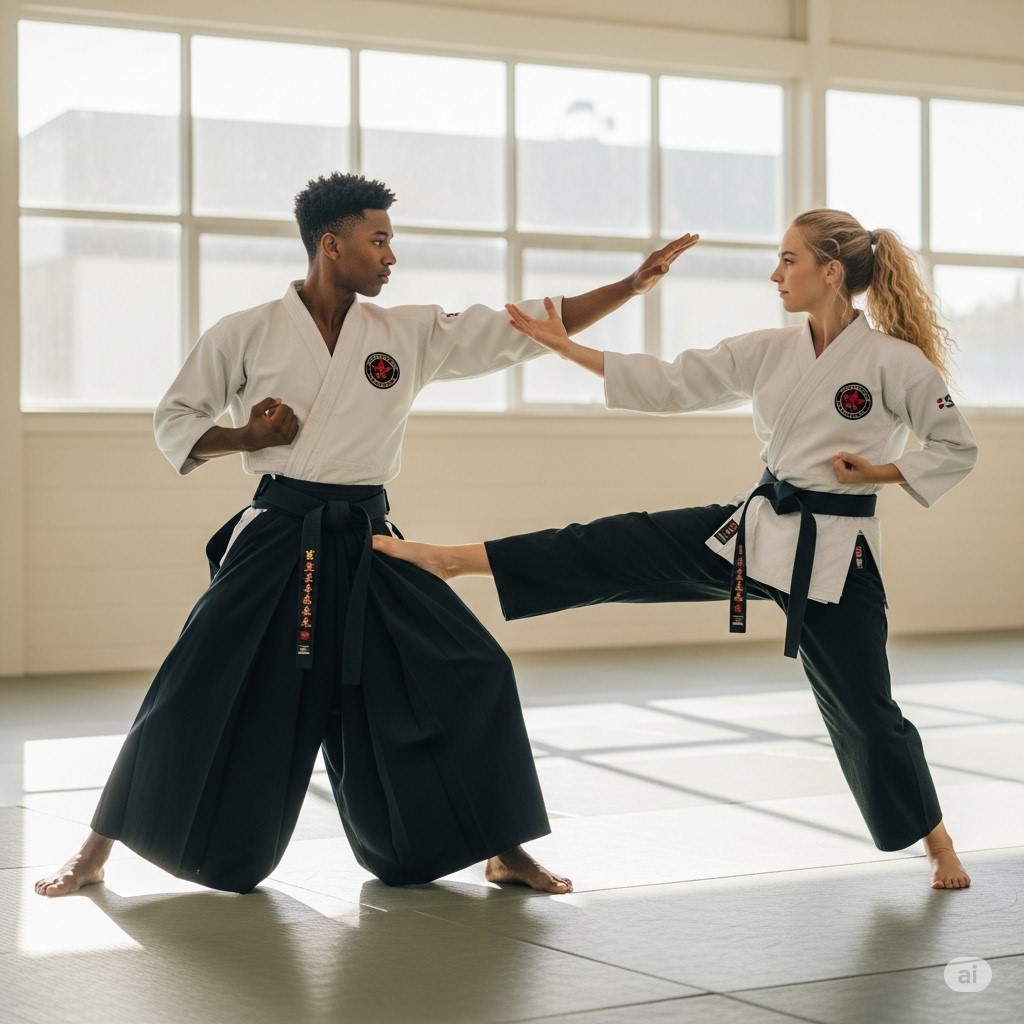
Kinomichi is a martial art that blends movement, mindfulness, and mutual respect. Rooted in Japanese tradition, it has evolved into a unique discipline with followers around the globe. The sport attracts both martial artists and individuals seeking spiritual growth. Unlike other combat sports, Kinomichi emphasizes cooperation over competition. Through its practice, many discover inner balance, improved physical coordination, and emotional harmony.
The Origins of Kinomichi
It began in 1979. It was created by Master Masamichi Noro, a direct disciple of Aikido founder Morihei Ueshiba. Born in Japan, Noro trained extensively under Ueshiba before moving to France. There, he merged his training with Western philosophical and artistic influences. As a result, Kinomichi was born from a deep desire to preserve Ueshiba’s teachings while innovating new paths for expression.
Noro named the art using the Japanese words “Ki” (energy), “No” (of), and “Michi” (the way). Together, they mean “The Way of Energy.” Unlike Aikido, Kinomichi focuses less on martial applications and more on movement, harmony, and connection. It is often described as a dialogue between partners, not a fight.
The early years of Kinomichi were challenging. Many traditionalists resisted the changes Noro introduced. However, a growing number of students appreciated the art’s fluidity and inclusiveness. Over time, it carved its niche in the martial arts world.
Kinomichi’s Growth and Global Popularity
From its base in France, it expanded into Europe during the 1980s. Noro opened several dojos in Paris and traveled extensively. He conducted seminars in Germany, Switzerland, Italy, and Belgium. His charisma and unique vision drew diverse students—artists, musicians, dancers, and martial artists.
In the 1990s, it crossed the Atlantic. Enthusiasts in North America embraced it for its therapeutic and meditative aspects. Cities like Montreal, San Francisco, and New York saw the establishment of dedicated Kinomichi schools. South America followed with active communities in Brazil and Argentina.
Asia, the birthplace of many martial arts, also saw a Kinomichi revival. Although less popular than other traditional practices, Kinomichi found homes in Japan, South Korea, and Taiwan. These regions appreciate the fusion of East and West inherent in the discipline.
Today, it is practiced on five continents. Its inclusive nature allows people of all ages and physical conditions to participate. The art continues to grow through seminars, festivals, and online classes. Each year, hundreds gather in Paris for the International Kinomichi Congress.
Amateur Kinomichi and Youth Participation
Amateur Kinomichi thrives in community centers, wellness studios, and martial arts schools. Its non-competitive nature makes it especially appealing to beginners. Many find the sport inviting because it requires no prior experience. Classes often begin with basic movements that emphasize posture, breath, and rhythm.
Schools and youth organizations are incorporating Kinomichi into physical education programs. In France, several public schools offer it as an alternative to traditional sports. The focus on cooperation, rather than victory, encourages teamwork and empathy.
Children practice simplified movements. These exercises develop balance, spatial awareness, and communication skills. Teachers report improved concentration and reduced stress among students who engage in Kinomichi.
Amateur clubs organize regional events and demonstrations. These gatherings allow practitioners to share techniques and celebrate progress. Although there are no formal competitions, friendly showcases highlight each participant’s development.
Workshops for families are also common. Parents and children train together, fostering deeper connections. This intergenerational approach supports emotional intelligence and mutual respect.
Professional Kinomichi Organizations and Leagues
Professional Kinomichi is organized primarily through international federations. The International Kinomichi Federation (IKF), based in Paris, serves as the central governing body. It sets standards for training, certification, and instructor development.
Regional branches operate in over 20 countries. These bodies coordinate workshops, certify schools, and host international exchanges. Professional instructors undergo rigorous training. They must demonstrate not only technical skill but also a deep understanding of Kinomichi philosophy.
In Japan, the Kinomichi Cultural Association works closely with universities to promote scholarly research. Collaborations with psychology and movement science departments are common. These efforts deepen the academic understanding of the sport.
Although Kinomichi lacks competitive leagues, it features public exhibitions. These performances demonstrate advanced forms and complex partner work. Attendees include government officials, artists, and academics.
Some high-level practitioners offer masterclasses worldwide. These events attract hundreds of participants and provide professional development for instructors.
Political and Social Impact of Kinomichi
Kinomichi plays a unique role in social cohesion. It promotes peace, understanding, and unity. Practitioners often speak of how training transcends language and cultural barriers. This makes Kinomichi a powerful tool for diplomacy and international cooperation.
In conflict-affected regions, NGOs use Kinomichi as part of peace-building programs. For example, youth groups in the Balkans have adopted it to encourage dialogue across ethnic lines. In Africa, Kinomichi is used to teach leadership and emotional regulation.
The sport has also found a place in prison rehabilitation. Programs in France and Italy report reduced aggression and improved inmate behavior. Instructors tailor the movements to encourage self-reflection and personal growth.
Politicians and thought leaders have endorsed Kinomichi. They recognize its potential to address social fragmentation and mental health challenges. Schools in urban areas introduce it to counteract bullying and violence.
Kinomichi serves as a model of inclusive physical education. It welcomes people of all backgrounds, including those with disabilities. Adaptive programs ensure everyone can participate fully. This aligns with global goals for equity in sports and education.
Rules and Structure of Kinomichi Practice
It does not follow a strict set of rules like many sports. Instead, it offers guidelines rooted in respect and cooperation. Each session begins with a bow, acknowledging the partner and the shared space.
Practitioners work in pairs. One leads the movement while the other follows. Roles switch frequently to ensure balanced learning. Movements are circular, flowing, and continuous. Sudden force or resistance is discouraged.
Instructors guide students through progressively complex sequences. These forms build awareness of timing, distance, and energy. Feedback is constructive and verbal communication is minimal. The focus remains on sensing and responding.
Footwork and hand placements are precise. Practitioners train to maintain alignment and fluid transitions. Breathing patterns synchronize with movement to enhance focus and relaxation.
Sessions conclude with a bow and a moment of silence. This practice encourages mindfulness and gratitude.
Rankings exist, but advancement depends more on dedication than on competition. Evaluations consider technical skill, attitude, and consistency. Higher ranks often take on mentoring roles within their dojos.
Kinomichi respects individual pace. Injuries are rare due to the non-combative nature of training. Safety and mutual support remain central values.
Conclusion
Kinomichi stands as a testament to the power of movement and connection. Born from the vision of Masamichi Noro, it blends martial tradition with humanistic values. Its global presence continues to expand through schools, community programs, and international events.
Amateurs, professionals, and children alike find value in Kinomichi. Its inclusive spirit and emphasis on harmony offer a refreshing contrast to competitive sports. In times of social division and stress, Kinomichi provides a pathway toward unity and inner peace.
Through structured practice, mutual respect, and philosophical grounding, Kinomichi offers more than physical training. It shapes character, builds community, and fosters global understanding.
As the world searches for meaningful ways to connect, Kinomichi emerges not just as a sport, but as a way of life.