
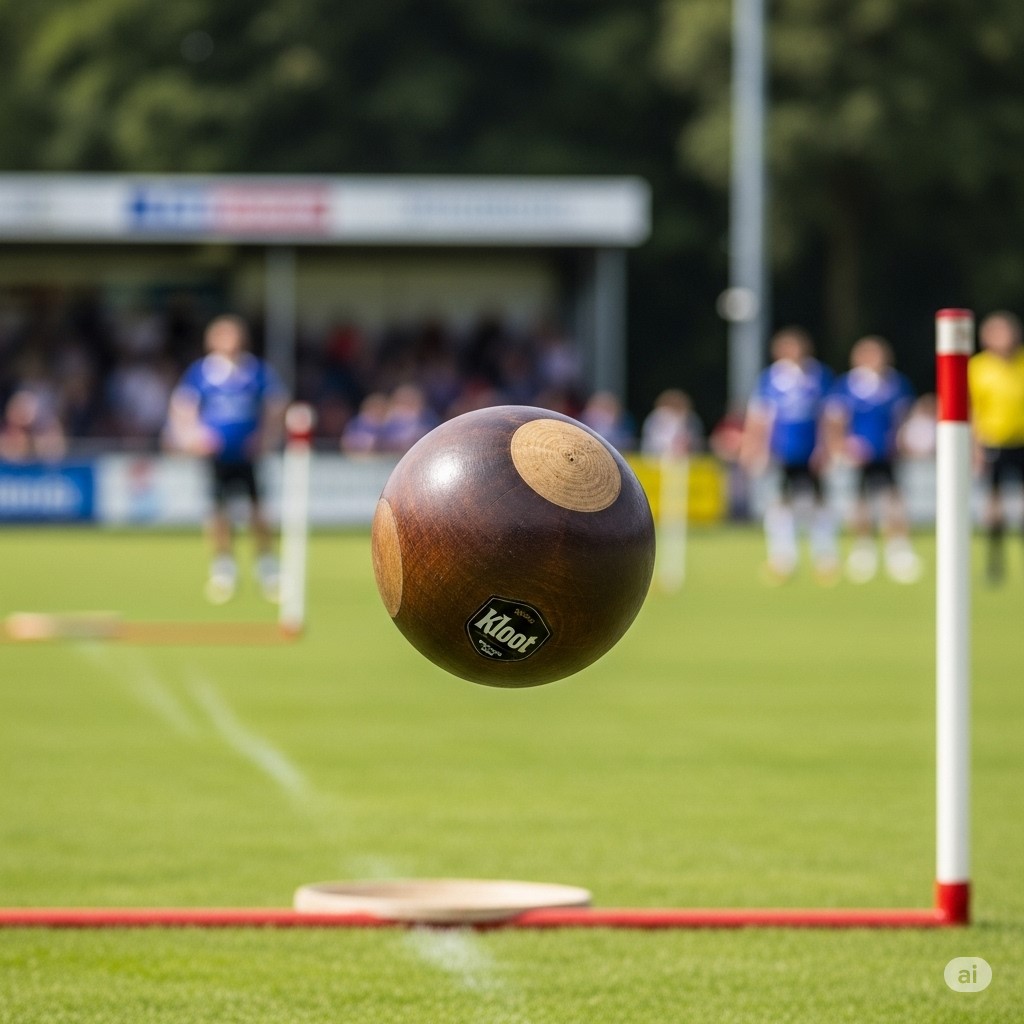
The World of Klootschieten: Tradition, Sport, and Community
Klootschieten is more than just a sport; it’s a living cultural tradition rooted in centuries of European history. It combines skill, community spirit, and regional pride into one captivating game. Across fields and roads, this game has captivated generations with its unique mix of athleticism and heritage. Though lesser known outside of Europe, Klootschieten continues to grow through organized clubs, school programs, and international competition.
The sport deserves more global attention. While it may sound obscure to many, its deep history and current global reach make it worth exploring. In this post, we’ll dive into the origins of Klootschieten, how it evolved into modern amateur and professional formats, and its social and political influence. We’ll also walk you through the rules and techniques that define the game. By the end, you’ll understand why Klootschieten is a treasured part of the sporting world.
A Deep Dive Into the Origins of Klootschieten
To understand Klootschieten, we must travel back to the rural regions of northwestern Europe. Historians believe the game originated over 500 years ago, possibly earlier. It was first played in the Netherlands and parts of northern Germany, especially in rural areas like Twente and East Frisia.
In these regions, farmers and villagers would entertain themselves during long winters. With limited access to formal games or tools, people used wooden or iron balls to compete in throwing contests. These casual games became more structured over time. The object was simple: throw a heavy ball (known as the “kloot”) as far as possible, using the fewest throws to cover a set distance.
By the 17th century, organized matches were common during fairs and festivals. Each village had its best throwers, and rivalries sparked spirited competition. The game spread organically through communities, passed down through families and local clubs. Though it began as a pastime, it quickly became a source of pride and identity.
The Historical Significance and Cultural Roots
Klootschieten wasn’t just a game; it symbolized freedom and rural life. In the 19th century, national governments sought to suppress regional languages and traditions. In response, communities embraced their local games with more vigor. The sport became a symbol of cultural resistance in areas like East Frisia.
During the German Empire, some authorities viewed it as a “peasant game,” yet locals continued to play it defiantly. In the Netherlands, especially in the eastern provinces, Klootschieten remained a cherished part of village life. Generations passed it down without interruption.
Today, many regional clubs proudly claim centuries-old lineages. Some even maintain old kloot balls made of wood and lead, considered historical artifacts. These traditions form the backbone of modern leagues and tournaments.
Where in the World Is Klootschieten Played?
Despite its European roots, Klootschieten is now played in various countries. The Netherlands and Germany remain the heartlands. In Germany, the sport is especially popular in Lower Saxony, East Frisia, and North Rhine-Westphalia. In the Netherlands, the provinces of Overijssel, Gelderland, and Drenthe host dozens of active clubs.
The game has expanded beyond Europe. Dutch and German immigrants brought it to the United States and Canada. Small communities in Iowa, Michigan, and Ontario have kept the game alive, though on a smaller scale.
In recent years, international tournaments have encouraged wider participation. Countries such as Ireland, Belgium, and even Italy have hosted demonstration games. While global popularity remains modest, efforts are underway to introduce it to new audiences.
International competitions have also helped boost awareness. The International Bowlplaying Association (IBA) hosts events across Europe. These events gather athletes from multiple nations, showcasing a variety of throwing styles and terrain formats.
Amateur Klootschieten: A Grassroots Passion
Amateur participation is the soul of Klootschieten. In Germany, local clubs—known as “Boßelvereine”—organize weekly matches. Families often participate together, and multi-generational teams are common. The same is true in the Netherlands, where community leagues operate year-round.
Youth development is crucial. Many schools include Klootschieten in physical education programs. In East Frisia, students often begin playing as early as age six. Schools host local competitions, and top performers join youth clubs for more training.
These grassroots efforts ensure the sport’s survival. Small villages may not have access to stadiums or formal gyms, but they have roads and fields. Klootschieten needs no expensive equipment, making it accessible to all.
Each region has its variations. Some prefer road games, where players throw down country lanes. Others choose field competitions, marked by longer distances and different strategies. These variations help keep the sport diverse and dynamic.
Professional Leagues and Global Organization
Though Klootschieten is rooted in amateur play, professional leagues exist in Europe. In Germany, the Friesischer Klootschießer-Verband (FKV) governs the top leagues. These leagues divide into divisions based on geography and skill level. Athletes compete for rankings, titles, and regional honors.
The Netherlands has a similar structure. The Nederlandse Klootschietbond (NKB) oversees national competitions. Elite players represent their provinces and clubs in structured tournaments. The sport even has a recognized Dutch National Championship.
The International Bowlplaying Association (IBA) unites these national bodies. It standardizes rules and hosts international meets. Athletes from Ireland, Germany, the Netherlands, and other countries come together at biennial World Championships. These events include different formats—road, field, and stand throws.
The road version is the most popular among professionals. Players aim to complete long distances with the fewest throws. Teams follow each player on foot, measuring throws with precision tools. Field events involve long-distance throws over open terrain. The stand throw is similar to a shot-put contest.
These events attract media coverage in local regions and bring spectators in large numbers. The pride of representing a club or country drives players to master their form, train rigorously, and mentor the next generation.
Klootschieten in Schools and Youth Clubs
Youth engagement is central to the sport’s future. Schools in East Frisia and Overijssel often include it in their annual sports day. Competitions among school districts foster excitement and early skill development.
Clubs support young players through structured youth programs. These programs teach proper throwing techniques and the values of sportsmanship and teamwork. Coaches often double as community leaders and educators.
In some towns, youth teams train alongside seniors. This mentorship model builds respect and continuity. Tournaments specifically for under-18 players attract hundreds of participants each year.
In the Netherlands, the Junior Klootschieten Cup offers youth a taste of competitive play. These events prepare them for regional leagues and possibly even national selection.
Klootschieten teaches more than athletic ability. It instills patience, strategy, and resilience. Young players learn to handle pressure and adapt to different conditions. These lessons carry over into other parts of life, making the sport a valuable developmental tool.
Social and Political Significance
Klootschieten holds deep social value. In rural Germany and the Netherlands, it brings communities together. Matches often end with communal meals, local music, and storytelling. The sport builds friendships and strengthens local identity.
Politically, it has served as a symbol of cultural autonomy. In the past, governments attempted to unify national culture by discouraging regional customs. Klootschieten stood as a quiet form of resistance, a celebration of rural life and dialect.
Today, it plays a role in cultural tourism. Towns host annual events that draw visitors from other regions. Local businesses benefit from increased traffic, and cultural festivals highlight traditional clothing, food, and music.
Some politicians even use Klootschieten events to connect with voters. Participation in local matches signals respect for community values. As a result, the sport maintains influence beyond the playing field.
Municipal governments often fund clubs and leagues. They recognize the sport’s role in public health, youth development, and community cohesion. These partnerships ensure that Klootschieten continues to thrive.
Rules and How the Game Is Played
Despite its long history, the rules of Klootschieten are relatively simple. The goal is to throw the kloot as far as possible using the fewest number of throws.
There are three main styles: road, field, and stand throws.
Road Klootschieten
This is the most common version. Players compete along a rural road, usually 2 to 3 kilometers in length. Each player or team takes turns throwing. The next throw is made from where the kloot lands.
The objective is to reach the finish line using the fewest throws. If a ball rolls into a ditch or field, it must be retrieved and the next throw made from that spot. Strategy plays a major role—players must choose their lines carefully and adjust for wind and terrain.
Field Klootschieten
Field matches take place on open meadows or designated fields. Players aim for maximum distance with each throw. Usually, a marked course defines the playing area. Fouls occur if the kloot lands outside the boundaries.
In field events, strength and technique matter more than strategy. Throws often exceed 100 meters among elite players.
Stand Throws
This version resembles shot put. Players stand behind a line and throw the kloot as far as they can. The goal is to achieve the greatest single throw distance. No run-up is allowed, which tests pure upper-body power and precision.
Equipment and Rules Summary
- The kloot weighs between 200–500 grams.
- Materials vary: wood, rubber, or metal.
- Each throw is measured precisely.
- Players may use chalk for grip.
- Most leagues allow team and individual formats.
- Referees and distance judges ensure fairness.
- Official matches require a minimum number of throws or set distances.
These simple rules allow anyone to pick up the game quickly. However, mastering the kloot’s weight, balance, and bounce takes years of practice.
Conclusion: Why Klootschieten Still Matters
Klootschieten may not be a household name, but it stands as a timeless sport rooted in community, culture, and competition. Its journey from rural pastures to international championships reflects the resilience and adaptability of traditional games.
The sport offers something rare in modern athletics—a connection to history, simplicity in play, and deep social meaning. Through school programs, professional leagues, and cultural festivals, Klootschieten continues to unite generations.
Its future looks bright, thanks to passionate communities and growing global interest. Whether on a quiet country road or a packed tournament field, the spirit of Klootschieten lives on. It’s more than a game—it’s a story of identity, perseverance, and joy.