
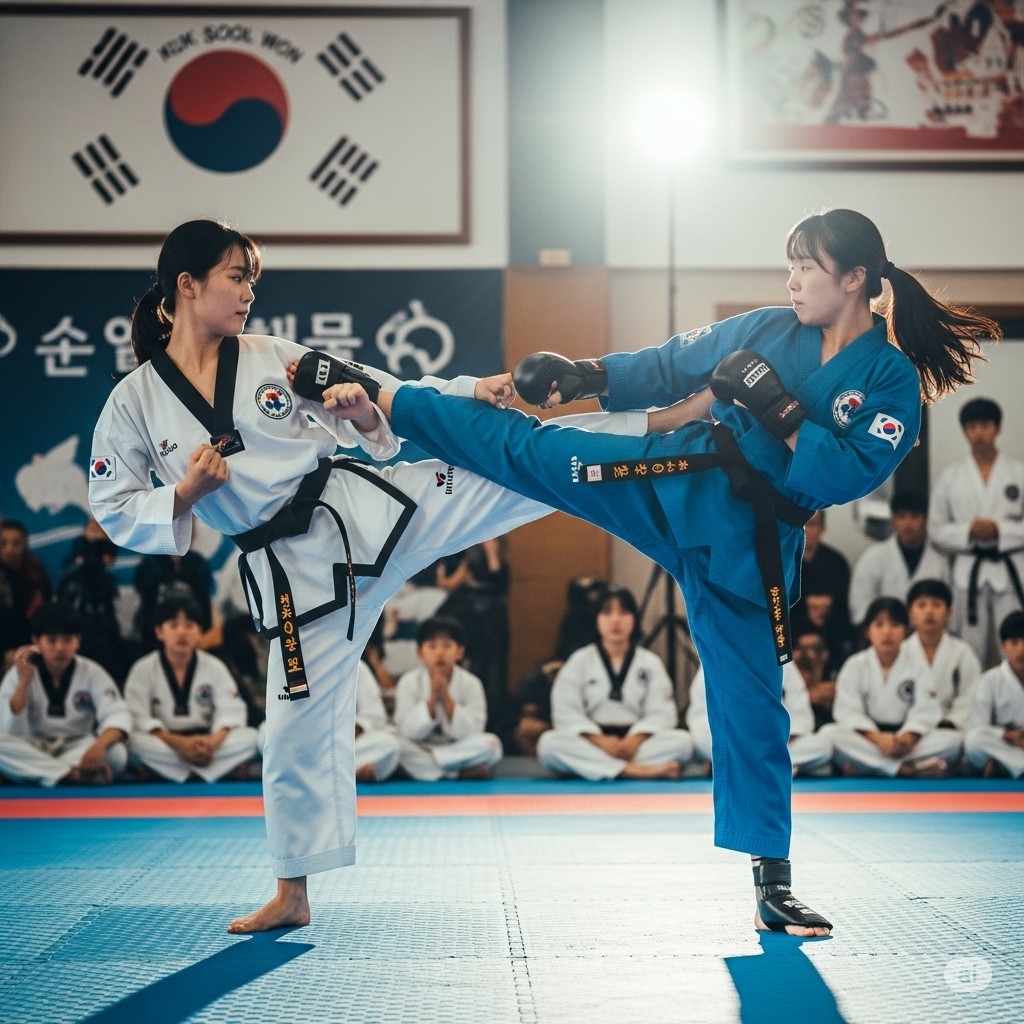
Kuk Sool Won: A Deep Dive Into the Art, History, and Global Reach of a Korean Martial Art
Kuk Sool Won is a comprehensive Korean martial art that blends traditional fighting techniques, weapons training, and mental discipline. Rooted in ancient Korean history, Kuk Sool Won has evolved into a modern system practiced worldwide. This martial art emphasizes discipline, respect, and mastery. It stands out due to its detailed structure, historical preservation, and wide array of techniques. In this blog, we will explore its origins, growth, and impact globally.
The Origins and History of Kuk Sool Won
The history dates back thousands of years. Its roots lie in traditional Korean martial arts practiced by tribal warriors, Buddhist monks, and royal bodyguards. Three primary sources influenced Kuk Sool Won: tribal, Buddhist, and royal court martial arts.
Tribal martial arts focused on survival and warfare. These techniques emphasized speed, strength, and aggression. Buddhist martial arts emphasized internal energy (Ki), meditation, and healing techniques. Royal court martial arts were refined, focusing on form, aesthetics, and weapon mastery.
In 1958, Grandmaster Suh In-Hyuk formalized it. He collected, organized, and codified hundreds of techniques from different traditions. His goal was to preserve Korea’s martial heritage in one complete system. He named it “Kuk Sool Won,” which means “National Martial Arts Association.”
Since then, Grandmaster Suh has promoted the art globally. His dedication laid the foundation for Kuk Sool Won as both a sport and a system of personal development.
Global Popularity and Reach
It is now practiced in more than 30 countries. The United States, the United Kingdom, Germany, and Mexico have thriving schools. Korea remains the central hub, but interest is strong in North America and Europe.
Seminars, tournaments, and exhibitions have fueled the sport’s popularity. Kuk Sool Won appeals to all ages due to its versatility and holistic approach. It teaches kicking, joint locks, pressure points, and weapons. This broad scope attracts students from different backgrounds.
Schools are certified by the World Kuk Sool Association. This global organization ensures quality and consistency. It also supports the development of new schools and the training of instructors worldwide.
Social media and online platforms have played a major role in spreading awareness. Demonstration videos and online classes have introduced Kuk Sool Won to people in remote locations.
Amateur Kuk Sool Won and Youth Participation
Amateur Kuk Sool Won is vibrant at the grassroots level. Local dojangs (schools) train children, teenagers, and adults. These schools emphasize discipline, fitness, and character development.
In many countries, it is part of school extracurricular programs. This inclusion promotes teamwork, self-confidence, and goal-setting. Youth tournaments offer structured competition in forms, techniques, and sparring.
Belt ranking motivates students to improve steadily. Beginners start with white belts and advance through rigorous testing. Instructors tailor training to each age group. For children, training is fun and safety-focused. Teenagers receive more intense physical and mental challenges.
Parents appreciate the emphasis on respect and focus. These values often translate into better behavior and academic performance. Many youth continue training into adulthood, leading to lifelong involvement in the art.
Professional Leagues and Global Organizations
Kuk Sool Won features a network of professional leagues and global organizations. The World Kuk Sool Association (WKSA) governs most activity. Founded by Grandmaster Suh, it sets the curriculum, ranks, and event standards.
Regional federations exist under the WKSA umbrella. These include the European Kuk Sool Association and North American Kuk Sool Federation. They organize national championships and instructor certification programs.
Professional demonstrations showcase elite practitioners. These events occur at festivals, martial arts conventions, and cultural expos. Top instructors often tour internationally, promoting the sport and teaching advanced techniques.
Some practitioners work full-time in Kuk Sool Won. They operate dojangs, coach competitors, and develop curriculum materials. While not as commercialized as MMA or karate, it maintains a strong professional tier.
Political and Social Significance
Kuk Sool Won carries significant cultural and social weight. In Korea, it symbolizes national pride and historical continuity. The government supports it through cultural grants and martial arts festivals.
Internationally, Kuk Sool Won promotes Korean heritage. Cultural exchanges and performances strengthen diplomatic ties. It acts as soft power, showcasing Korea’s traditions to global audiences.
Socially, it builds community and character. Schools serve as local hubs for physical activity and mentorship. They often hold charity events and volunteer programs. This outreach deepens their ties to the community.
The art also encourages inclusivity. People of all ages, genders, and abilities can train. Special needs programs have expanded, making the sport more accessible.
In areas with high youth violence or economic struggle, Kuk Sool Won provides structure and positive reinforcement. Students learn conflict resolution, self-respect, and resilience.
Rules and Structure of Kuk Sool Won
It features a detailed set of rules for training and competition. Etiquette is central. Students bow when entering the dojang, when addressing instructors, and before sparring.
Training includes basics, forms (hyung), techniques, sparring, and weapons. Basics cover stances, punches, kicks, and falls. Forms are choreographed patterns that develop memory, flow, and technique.
Techniques include joint locks, throws, and pressure point strikes. These are practiced with partners under supervision. Sparring is controlled and emphasizes strategy over force.
Weapons training begins at intermediate levels. Students learn staff, sword, and short sticks. Safety gear and instructor oversight are required. Forms and techniques are performed solo or in pairs.
Promotion tests occur every few months. Students demonstrate proficiency in all areas. Higher ranks require greater skill and understanding. Black belts must also show leadership and teaching ability.
Tournaments offer competition in forms, techniques, and sparring. Judging focuses on form, accuracy, and control. Safety is a top priority. Disqualification occurs for dangerous behavior or disrespect.
Uniforms (dobok) are black with rank-specific trim. Belts indicate level, from white to black and beyond. Higher black belt ranks (dan) wear additional insignia.
Classes usually begin with warm-ups and meditation. This fosters focus and injury prevention. Instructors lead group practice, then split students by skill level. Training ends with reflection and a final bow.
Conclusion
Kuk Sool Won is much more than a martial art. It is a living tradition that blends combat skills, mental discipline, and cultural pride. With a deep historical foundation and global reach, it continues to grow.
From youth programs to professional leagues, the sport offers something for everyone. Its rules and structure provide a safe, respectful training environment. Politically and socially, it strengthens communities and promotes Korean culture.
This dynamic art form remains a testament to the enduring power of tradition and discipline. Whether practiced for fitness, self-defense, or cultural connection, Kuk Sool Won enriches lives worldwide.




