
Introduction
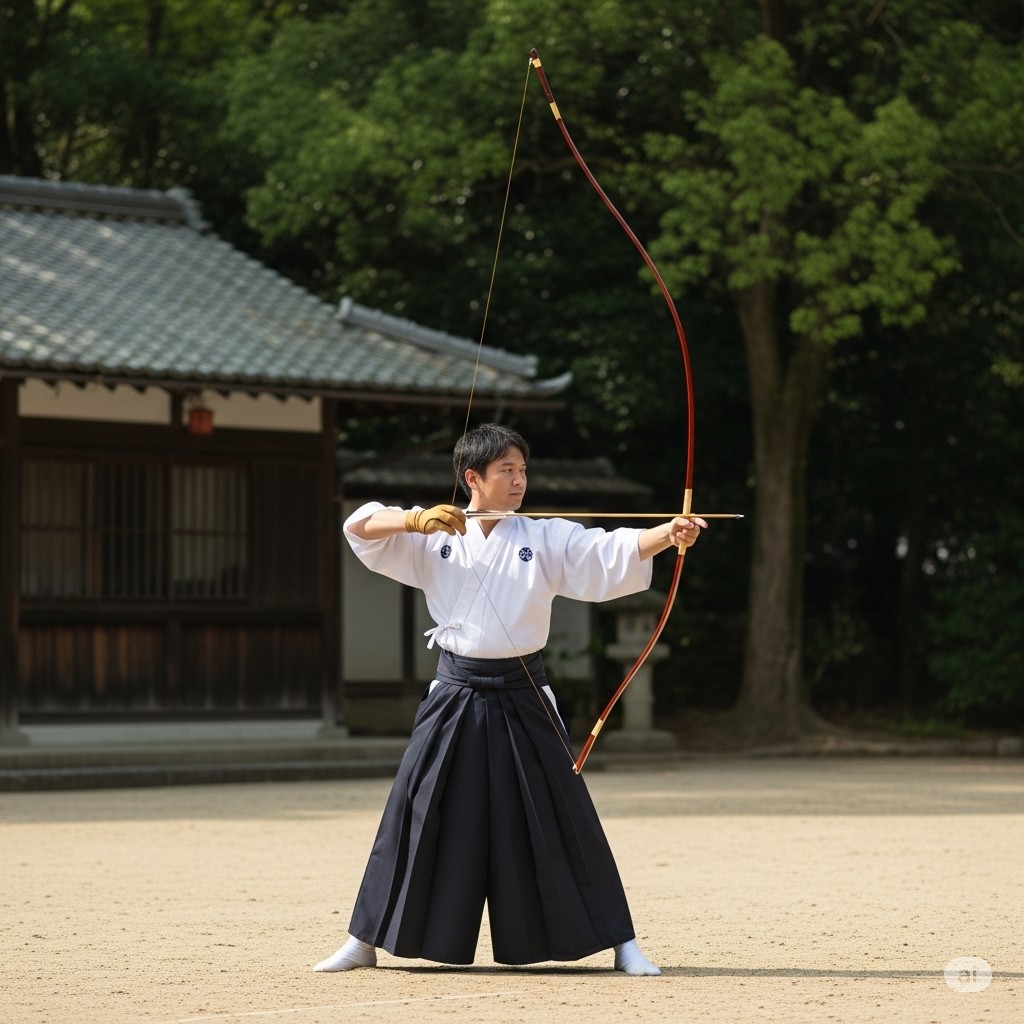
Kyujutsu is a traditional Japanese martial art with a rich history. This sport involves archery with a strong emphasis on discipline and form. The key phrase “Kyujutsu” resonates in many circles today, reflecting its growing popularity and significance. From its ancient roots to its modern practice, this sport shows the power of precision and control. This blog post will take you deep into the world of Kyujutsu, exploring its origin, history, popularity, leagues, significance, and much more.
Origin and History of Kyujutsu
It traces its roots back over a thousand years in Japanese history. Originally, this sport was a martial discipline used by samurai. The ability to shoot a bow accurately meant survival and domination in battle. Furthermore, this discipline was a crucial aspect of Japanese culture. Warriors trained in both their physical prowess and their mental discipline.
Over time, the role of Kyujutsu shifted from pure combat to a form of artistic expression. The Japanese recognized its ability to foster character and discipline. Consequently, the sport became a medium for developing moral virtues. This transformation paved the way for its eventual international appeal and popularity today.
Popularity of Kyujutsu and Where It Is Played
Today, it is a popular sport across the globe. Some view it as a form of meditation, while others appreciate its physical demands. This blend of physical discipline and mental focus attracts many practitioners. Furthermore, clubs and leagues have been established in numerous countries, from the USA to France and beyond.
This growing popularity reflects a universal appeal for discipline and skill. All over the world, people are turning toward this ancient sport to connect with their roots and to pursue self-mastery.
Amateur Kyujutsu and Youth Involvement
Schools and clubs frequently sponsor youth programs in Kyujutsu. This allows children to learn discipline, patience, and control at a young age. Furthermore, these programs foster a strong understanding of Japanese culture and traditions. Some schools even include it in their physical education curricula, reflecting its growing significance in modern education.
Professional Leagues of Kyujutsu
Professional leagues exist in many countries, adding a competitive dimension to the sport. Furthermore, these leagues enable the best practitioners to demonstrate their skills at the highest level. This competition helps raise the standard of the sport and further its popularity.
Political and Social Significance of Kyujutsu
Kyujutsu holds a significant place in Japanese culture and diplomacy. This sport serves as a symbol of peace, discipline, and international understanding. Furthermore, it brings people together from different backgrounds and helps foster relationships across borders. The discipline required to master Kyujutsu resonates with universal values of fairness and justice.
Conclusion
Kyujutsu is more than just a sport. It is a discipline, a form of expression, and a way to connect with both oneself and the world. This ancient practice resonates today, reflecting its enduring significance and appeal.