
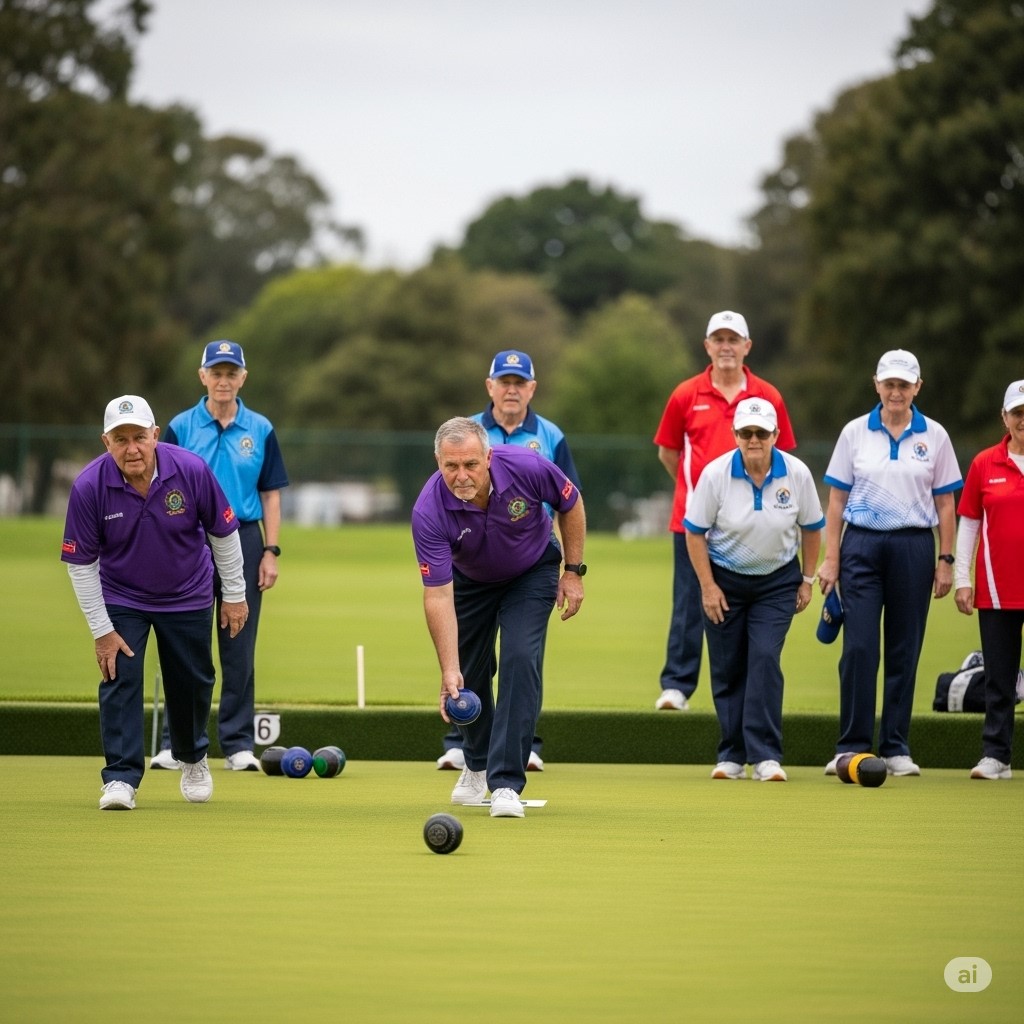
Lawn Bowling: A Timeless Sport With Global Appeal
Lawn Bowling, a game of precision and strategy, dates back centuries. The sport has evolved while maintaining its traditional charm. People across generations enjoy Lawn Bowling for its simplicity and depth. While the rules are easy to learn, mastery takes years. Lawn Bowling continues to grow in popularity worldwide, attracting players from all walks of life. In this blog post, we explore the sport’s rich history, global presence, amateur involvement, professional leagues, political and social relevance, and detailed rules.
Origin and History of Lawn Bowling
The roots of Lawn Bowling stretch deep into human history. Evidence of similar games dates back to ancient Egypt. Archaeologists have discovered stone balls used in games resembling bowling over 7,000 years ago. The Romans also played a version involving rolling balls toward a target. These early games influenced the modern Lawn Bowling format.
In the 13th century, the sport took recognizable shape in England. King Edward III banned it among commoners to encourage archery practice. Yet, aristocrats embraced it. By the 15th century, Lawn Bowling greens were common in the homes of British nobility.
In 1299, a green was established at Southampton Old Bowling Green, considered the world’s oldest surviving Lawn Bowling club. The sport grew in popularity during the Renaissance. By the 17th century, it had spread across Europe.
Scottish influence further shaped the game. Scotland formalized the rules in 1848 through the Scottish Bowling Association. This standardization allowed international play. By the late 19th century, Lawn Bowling reached Australia, New Zealand, South Africa, and Canada. It followed British colonial routes and became part of global sporting culture.
Global Popularity and Where It Is Played
Lawn Bowling thrives in over 40 countries. It is especially popular in Commonwealth nations. The United Kingdom, Australia, New Zealand, Canada, and South Africa host the largest numbers of players. Local clubs and leagues foster strong communities.
Australia boasts the highest number of registered players. Lawn Bowls Australia oversees thousands of clubs nationwide. Weekly matches and tournaments fill greens with enthusiastic bowlers. New Zealand also enjoys a strong Lawn Bowling culture. Bowls New Zealand supports the sport at every level.
In Canada, Lawn Bowling draws crowds during the summer. Provincial associations coordinate leagues and youth outreach. In the United States, Lawn Bowling has gained ground in California, Florida, and Arizona. The United States Lawn Bowls Association promotes growth and competition.
In Asia, countries like Malaysia and Hong Kong show rising interest. Lawn Bowling was included in the Southeast Asian Games. Malaysia even won gold medals in international events. European countries like Spain and the Netherlands have growing Lawn Bowling scenes, mainly among expatriate communities.
The World Bowls organization, headquartered in Scotland, governs international play. It supports member nations and organizes world-class competitions. World Bowls includes 54 national authorities, helping the sport remain vibrant worldwide.
Amateur Lawn Bowling Around the World
Amateur Lawn Bowling brings together people of all ages. Most players begin at the community level. Clubs welcome newcomers with instructional sessions and beginner leagues. Equipment is often provided to encourage participation.
Schools and youth programs introduce the sport early. In Australia and New Zealand, school curriculums sometimes include Lawn Bowling. Partnerships with local clubs help provide coaching and facilities. Youth tournaments offer fun and competition.
In the UK, Bowls England supports youth outreach. The Junior Bowls program attracts teens and children through camps and school visits. Scotland and Wales have similar initiatives. Canada’s youth leagues build confidence and sportsmanship.
The United States focuses on community engagement. Clubs offer “try it” days to attract families. Intergenerational play is common, with grandparents and grandchildren on the same team.
Many amateurs play for leisure. Lawn Bowling encourages social interaction and mild physical activity. Its accessibility makes it ideal for seniors and beginners. Tournaments for amateurs range from casual friendlies to regional championships.
Clubs often serve as social hubs. Events like open days, barbecues, and fundraisers build lasting friendships. The sport creates inclusive communities where age and skill levels blend seamlessly.
Professional Lawn Bowling Leagues Globally
Lawn Bowling has moved beyond its amateur roots. Several professional leagues now provide competitive platforms and career opportunities.
The Professional Bowls Association (PBA) is a major force. Founded in the UK, it hosts televised events that draw international attention. The World Indoor Bowls Championships, a PBA flagship event, features top players competing for significant prize money.
In Australia, the Bowls Premier League (BPL) has redefined the sport. Fast-paced matches and team formats make it viewer-friendly. Broadcasts reach millions through national television and streaming platforms. BPL franchises feature elite athletes and strategic coaching.
South Africa also supports high-level play. National championships feature fierce competition. International tournaments allow local talent to face global stars. Bowls South Africa continues to invest in coaching and development.
New Zealand and Canada have rising professional scenes. Top players receive sponsorships and endorsements. Annual events attract crowds and promote the sport.
Asia shows promise, particularly in Malaysia. Government support and international success have fueled interest. Top Malaysian bowlers earn recognition and compete on global stages.
The World Bowls Tour links various leagues and offers global rankings. This international structure creates pathways for aspiring pros. Sponsorships and prize money have grown, though not yet on par with mainstream sports.
Political and Social Significance of Lawn Bowling
Lawn Bowling has played a role in politics and society. In colonial times, the sport symbolized British influence. Bowling greens were often established in colonial outposts. These spaces became centers of social life and networking.
In South Africa, Lawn Bowling once reflected segregation. Clubs were historically white-only. Today, the sport embraces diversity. Integration programs have opened the sport to all communities. This shift shows progress and reconciliation.
Australia and New Zealand see Lawn Bowling as a unifying activity. Clubs often reside in suburban areas and welcome immigrants. Playing together helps bridge cultural divides. The sport promotes inclusion and understanding.
In the UK, many politicians and royals support Lawn Bowling. Queen Elizabeth II served as a patron of several associations. High-profile support boosts visibility and funding. Community engagement often includes local leaders attending club events.
Socially, Lawn Bowling fosters intergenerational bonds. Young and old share greens and experiences. Many retirees find purpose and friendship in club membership. The game supports mental and physical well-being.
Programs for veterans and individuals with disabilities also highlight the sport’s inclusive nature. Adaptive equipment and modified rules allow broader participation. Clubs offer safe and welcoming environments.
Lawn Bowling strengthens local identities. Clubs often bear names tied to towns or neighborhoods. This fosters pride and a sense of belonging.
Rules of Lawn Bowling in Detail
It is played on a rectangular, manicured green. The surface is divided into parallel playing strips called rinks. Each rink hosts a separate match. Games can be singles, pairs, triples, or fours.
The objective is to roll bowls closest to a smaller white ball called the “jack.” Players use biased bowls that curve during their path. The shape and weight distribution of the bowl influence its trajectory.
Matches begin with a coin toss. The winner rolls the jack to set the target. Once centered, players take turns delivering their bowls. The goal is proximity to the jack, not speed or force.
Each end consists of all players delivering their allotted bowls. An end concludes when all bowls have been played. Points are awarded based on the number of bowls closer to the jack than the opponent’s nearest bowl.
Games vary in length. Singles are often played to 21 points. Pairs, triples, and fours may be played over a set number of ends. Some leagues use timed matches.
Etiquette plays a key role. Players must remain still while others deliver bowls. Distractions are discouraged. Applause follows good shots, regardless of team.
If a bowl touches the jack during delivery, it is marked and remains in play. Otherwise, bowls that leave the rink or enter the ditch are considered dead unless they touched the jack.
Tied bowls may be measured to determine score. Officials use calipers or measuring tapes. Disputes are rare but resolved with precision.
Each team assigns a skip, who acts as captain. The skip provides strategy and directs play. Communication and teamwork influence outcomes.
Proper footwear is essential. Flat-soled shoes protect the green. Players must also dress appropriately, often in club or team uniforms.
Rain and wind can impact play. Skillful bowlers adjust their delivery to suit conditions. Reading the green and predicting curve are critical skills.
Conclusion
Lawn Bowling, with its rich history and global presence, continues to captivate players and fans alike. From ancient Egypt to modern stadiums, the sport has traveled far. It offers both a leisurely pastime and a competitive outlet. Amateur players enjoy community and camaraderie, while professionals showcase top-level skill.
Its political and social relevance adds depth. The rules, though detailed, remain accessible to beginners. Lawn Bowling deserves recognition not just for tradition, but also for its modern evolution. As more people discover its charm, the sport’s future looks promising. Whether in a local park or a world championship arena, Lawn Bowling rolls on with purpose and pride.