
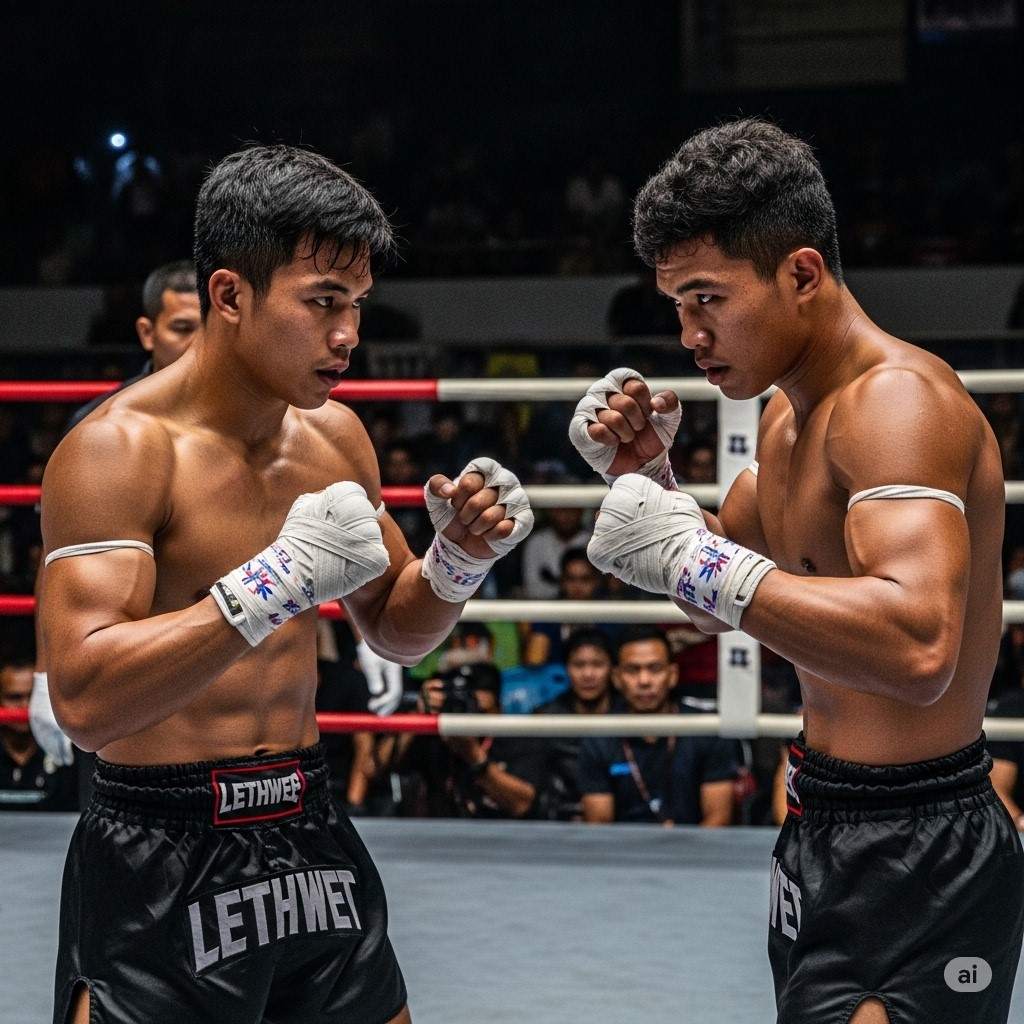
The Untamed Art of Lethwei: Myanmar’s Bare-Knuckle Tradition Rising Worldwide
Lethwei, often called “The Art of Nine Limbs,” is Myanmar’s brutal and beautiful national combat sport. This unique martial art blends ancient tradition, raw power, and warrior spirit. Unlike other striking sports, Lethwei allows the use of fists, elbows, knees, feet, and headbutts. It is considered one of the most aggressive and unfiltered combat sports in the world. The rise of Lethwei beyond Myanmar’s borders has created global curiosity and admiration. Fighters and fans are drawn to its primal authenticity and deep cultural roots.
Origins and History of Lethwei
It dates back over a thousand years. It originated in the ancient Burmese kingdoms and was used in military training. Warriors practiced it to prepare for battle and to prove strength and bravery. The earliest records of Lethwei date to the Pyu city-states (2nd century BCE to 11th century CE).
During the Bagan period (11th to 13th centuries), Lethwei became more structured. It evolved from tribal contests to a systemized martial art. Monks, soldiers, and commoners practiced it in monasteries and village squares.
By the 20th century, Lethwei had solidified as Myanmar’s national sport. Traditional matches occurred during festivals. Competitors fought on sand or dirt, with no gloves, only hand wraps. Victory came through knockout, not by decision.
In 1996, modern Lethwei was formally organized with updated rules. This move preserved tradition while making it more accessible globally. The sport retained its raw essence but now had medical staff and official oversight.
Global Popularity of Lethwei
It remained unknown outside Southeast Asia until the early 2000s. Increased digital exposure and foreign fighters entering the sport changed that. Prominent Muay Thai fighters began testing themselves in Lethwei. This shift brought international attention.
The 2010s saw rapid growth. Social media helped highlight Lethwei’s authenticity. Fighters like Dave Leduc, a Canadian who embraced the sport, became global ambassadors. His high-profile fights generated millions of views and brought new fans.
Today, Lethwei gyms exist in the United States, Canada, Australia, Japan, and parts of Europe. Events are held not just in Myanmar but also in Dubai, Tokyo, and Los Angeles. Enthusiasts praise its minimal rule set and cultural purity. Documentaries and YouTube channels educate new audiences.
Major sports networks and streaming services now feature Lethwei matches. Global fight promotions have added bouts to their lineups. Traditional martial arts fans appreciate its historical roots. Combat sports fans love its intensity.
Amateur Lethwei: Youth, Schools, and Global Programs
Amateur Lethwei is growing, especially in Southeast Asia. In Myanmar, youth often learn it from a young age. Schools offer basic training. Rural communities pass it down through families.
Formal programs have begun in neighboring countries. Thailand and Cambodia now include it in martial arts festivals. This regional exposure has encouraged educational institutions to recognize its value.
In the West, Lethwei is taught in specialized gyms. Coaches train amateurs in safety-first environments. Though headbutts are often excluded, students learn the traditional mindset. Programs for teenagers and adults promote discipline, respect, and resilience.
Some nonprofits offer Lethwei training to at-risk youth. These programs help develop confidence and purpose. They keep kids away from drugs and violence.
The sport’s accessibility makes it ideal for grassroots expansion. It requires minimal gear and space. With proper guidance, Lethwei can be taught anywhere.
Professional Lethwei Leagues and Global Promotions
Lethwei’s professional scene has expanded dramatically. The Myanmar Lethwei Federation (MLF) governs the sport locally. They oversee the Golden Belt Championship, Myanmar’s top-tier competition.
Outside Myanmar, various leagues promote the sport. World Lethwei Championship (WLC), founded in 2016, became the most recognized international platform. It featured fighters from over 20 countries. WLC brought professional production quality and global broadcasting deals.
Dave Leduc’s rise within WLC brought global prestige. His matches against Myanmar legends bridged tradition with modern promotion. Under his influence, more international athletes entered the sport.
Lethwei in Japan has a devoted following. Tokyo hosts frequent professional events. Japanese fighters have gained fame in Myanmar and vice versa. Lethwei Grand Prix and other promotions host packed events across East Asia.
In the United States, promotions like Sparta Combat League and Lion Fight have flirted with Lethwei rules. Modified rule sets allow fans to experience the sport with slight adjustments.
Collaborations with MMA and Muay Thai promotions continue to grow. This cross-promotional strategy introduces Lethwei to diverse audiences. With global media backing, Lethwei’s reach continues to rise.
Political and Social Significance of Lethwei
It holds deep cultural importance in Myanmar. It represents resilience, honor, and national identity. Traditionally, it was performed during harvest festivals and royal ceremonies.
During colonial rule, Lethwei was a symbol of resistance. Burmese fighters used it to maintain pride and tradition. It survived British suppression and modern political turmoil.
In recent decades, Lethwei became a tool for unity. Different ethnic groups in Myanmar share this martial heritage. Events often promote peace and solidarity through sport.
Socially, it is a vehicle for opportunity. Many professional fighters come from poor backgrounds. The sport offers a way out of poverty. Fame and income follow success in the ring.
International exposure has empowered local fighters. They gain access to sponsors, travel, and education. Lethwei creates bridges between Myanmar and the world.
Moreover, it fosters personal growth. Practitioners gain discipline, focus, and self-confidence. In conflict zones, it helps channel aggression constructively.
Rules and Structure of Lethwei
Lethwei’s rule set is what makes it truly unique. It permits all strikes used in Muay Thai plus headbutts. This gives rise to the nickname “Art of Nine Limbs.”
Fighters wear only hand wraps. No gloves are used. Rounds typically last three to five minutes, with three to five rounds per match.
Victory can only come through knockout or injury stoppage. If both fighters are still standing after the final round, the match is ruled a draw. This encourages aggressive, decisive fighting.
In traditional Lethwei, a fighter who gets knocked out can request a time-out and return to fight once per match. This rare rule showcases warrior spirit.
Clinching, sweeps, and throws are legal. Elbows and knees to the head are common. The use of headbutts changes fight dynamics dramatically.
Medical personnel are always on standby. Modern promotions require pre-fight health checks. While the sport is intense, safety protocols continue to evolve.
Fouls include biting, eye-gouging, and strikes to the groin. Referees enforce rules strictly. Matches are overseen by three judges, a referee, and ringside officials.
Training for Lethwei focuses on conditioning, mental toughness, and precision. Fighters prepare for pain and endurance. Strategy and courage define success.
Lethwei’s Future: Tradition Meets Globalization
The growth of Lethwei continues steadily. Global fans crave authenticity in an increasingly commercial fight world. Lethwei offers that in abundance.
New gyms and training centers open worldwide. Coaches from Myanmar travel to teach. Seminars, books, and online courses spread knowledge.
Digital platforms broadcast events live. Fighters gain fans from continents away. It now exists not just as a sport, but as a global movement.
Cultural exchanges bring understanding. Fighters from different backgrounds share techniques and traditions. This fosters mutual respect.
Still, challenges remain. Myanmar’s political instability sometimes disrupts events. Economic barriers limit local fighters’ travel.
To grow, Lethwei must balance tradition with adaptation. Partnerships with international organizations can help. Improved medical protocols will attract broader participation.
Youth programs and scholarships can cultivate new talent. Community support will drive future champions.
Conclusion
Lethwei, Myanmar’s ancient martial art, has captured the hearts of global fight fans. Its raw intensity, rich history, and cultural significance make it unlike any other combat sport. From small village festivals to international stadiums, Lethwei’s journey is just beginning.
Amateurs, pros, and curious onlookers are drawn to its authenticity. As Lethwei continues to spread worldwide, it carries the spirit of Myanmar with it. In every headbutt, elbow, and roar of the crowd, the soul of a thousand-year-old tradition lives on.




