
The Complete Guide to Metallic Silhouette Shooting: History, Rules, and Global Popularity
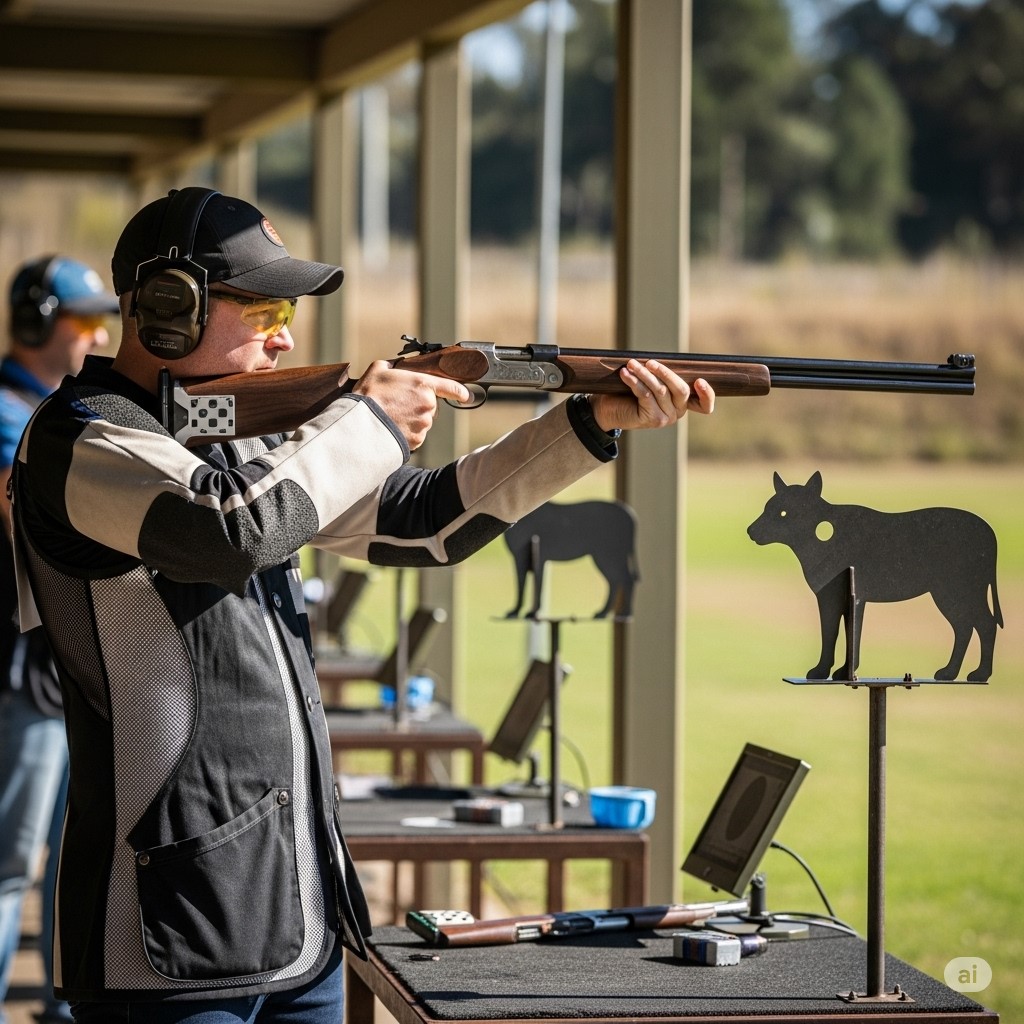
Metallic Silhouette Shooting is a precision shooting sport that blends accuracy, patience, and skill. Participants aim at steel animal targets set at varying distances. Since its introduction, the sport has gained a loyal global following. With youth involvement, professional leagues, and social influence, it has carved out a unique niche in the world of marksmanship.
The Origins and History of Metallic Silhouette Shooting
The roots of Metallic Silhouette Shooting trace back to Mexico in the early 20th century. Local ranchers originally practiced the sport as a recreational pastime. They would shoot at live animals placed at long distances to showcase marksmanship. These informal competitions evolved over time.
In the 1940s, the use of live animals was replaced with steel silhouettes. This change led to standardization and helped establish the sport’s ethical foundation. The first formal matches took place in Mexico City during the 1950s. These events gained attention and drew shooters from other countries.
By the late 1960s, the sport reached the United States. American shooters embraced it enthusiastically. The NRA (National Rifle Association) played a key role in promoting and organizing events. Soon, clubs began forming throughout the country.
During the 1970s and 1980s, international interest surged. France, Australia, South Africa, and Germany started hosting local and national matches. In 1986, the International Metallic Silhouette Shooting Union (IMSSU) was formed to unify global rules.
Today, the sport boasts a well-documented history filled with passionate enthusiasts and legendary competitors.
Global Popularity and Regional Hubs
Metallic Silhouette Shooting is now practiced on every continent except Antarctica. Each region has added its cultural flair while maintaining core principles.
In North America, the United States and Mexico dominate the competitive landscape. The U.S. hosts the largest number of active clubs. Every year, hundreds of regional and national competitions take place. Canada also has a steady base of shooters and clubs, especially in Alberta and Ontario.
South America has seen increasing popularity, particularly in Argentina and Brazil. Both countries host national championships that draw impressive crowds and top-level competitors.
Europe is another major hub. France, Germany, and the United Kingdom have flourishing communities. The European Championships rotate host countries every two years. These events attract hundreds of participants from across the continent.
Australia and New Zealand support growing communities. Their isolation hasn’t deterred international participation. Annual events draw shooters from Asia and even North America.
In Africa, South Africa leads the way. With support from local gun clubs and hunting organizations, the sport has taken root in both urban and rural areas.
Asia is a developing market. Countries like Japan and the Philippines are beginning to form clubs and organize competitions. Although growth is slower, interest is genuine.
This wide geographical spread shows how adaptable and universal the sport has become.
How Amateur Shooters Participate Globally
Amateur participation remains the foundation of the sport. Community clubs play a significant role in supporting new and veteran shooters alike. These clubs offer affordable training, coaching, and match opportunities.
In the United States, weekend matches at local ranges are common. Shooters bring their own gear and follow IMSSU guidelines. The cost to enter is generally low, making the sport accessible.
Youth involvement is also growing. Organizations like 4-H and local scouting groups offer introductory courses. These programs emphasize safety, discipline, and sportsmanship. Young shooters learn essential skills while developing self-confidence.
Schools and universities in the U.S. and Europe are starting to recognize the sport. Some offer it as an extracurricular activity. Others include it in physical education or ROTC programs.
In Canada and Australia, public shooting ranges often partner with schools to offer youth days. These events include safety briefings, demonstrations, and supervised shooting.
Online communities have become vital to amateur shooters. Forums and social media allow enthusiasts to share tips, find matches, and discuss gear. This virtual interaction complements in-person experiences.
The affordability and scalability of the sport make it ideal for amateurs. Whether on a tight budget or looking for family activities, people find a welcoming community in Metallic Silhouette Shooting.
Professional Leagues and Competitive Structure
Although the sport is largely amateur, several professional leagues exist worldwide. The IMSSU acts as the main governing body. It ensures that standards remain consistent and competitions are fair.
In the United States, the NRA oversees national championships and league play. They publish rulebooks, organize rankings, and host major events. These competitions offer cash prizes, trophies, and professional recognition.
Europe features the European Metallic Silhouette Championship, which rotates biennially. Winners often gain sponsorships and invitations to international events.
South America has regional professional circuits. Argentina and Brazil each have their own professional federations. These organizations hold televised finals, increasing the sport’s visibility.
Australia has begun developing a national league. While smaller in scale, its organization and commitment reflect a strong future.
Top shooters often represent their countries in the IMSSU World Championships. This event gathers the best talent from every continent. It’s the sport’s pinnacle competition and draws significant media attention.
Prize money and endorsements are modest compared to mainstream sports. However, top competitors earn reputations that transcend national boundaries. They often become coaches, mentors, or brand ambassadors.
Professionalism has helped elevate the sport’s credibility. Structured leagues, consistent rules, and international competition have all contributed.
Political and Social Significance
Metallic Silhouette Shooting holds political and social implications in many regions. In the U.S., it plays a role in the gun rights debate. Advocates point to the sport as an example of responsible firearm use.
Shooting sports in general foster a culture of discipline and respect. Metallic Silhouette Shooting is no different. Its emphasis on safety and precision makes it a favorite among educators and youth program leaders.
Globally, the sport promotes cross-cultural collaboration. Competitors from various countries often share tips and gear. This cooperation builds goodwill and mutual respect.
Socially, the sport is inclusive. Men and women compete equally. Age divisions allow for lifelong participation. Many shooters continue competing into their 70s and 80s.
Community ranges act as social hubs. Families attend matches, tailgate, and cheer for local shooters. These gatherings strengthen community bonds.
Environmentally, the use of reusable steel targets minimizes waste. Many clubs take pride in maintaining clean, eco-friendly ranges.
Despite occasional political pushback, the sport endures. Its social benefits and ethical conduct continue to win support from officials and citizens alike.
Official Rules and Competition Format
Metallic Silhouette Shooting follows a structured set of rules. These ensure fairness and standardization worldwide.
Targets are shaped like animals: chickens, pigs, turkeys, and rams. Each type is placed at increasing distances. For small-bore rifle matches, distances range from 40 to 100 meters. High-power matches stretch from 200 to 500 meters.
Shooters fire from a standing, unsupported position. No rests or supports are allowed. This requirement increases the skill level needed.
Each match consists of 40 or 60 shots. Ten shots are fired at each target type. Shooters have a time limit, usually two minutes per set of five shots.
Hits are counted only if the target is knocked down. A bullet must strike with enough force to topple the steel silhouette. Grazes or partial hits do not count.
Scoring is simple. One point per hit, with the maximum being 40 or 60 depending on the match size.
Equipment is regulated. Rifles must meet specific weight and caliber guidelines. Optics are permitted in some categories but not in others.
There are divisions for different firearms: small-bore rifle, high-power rifle, pistol, and cowboy lever-action. Each has slightly different rules but follows the same core principles.
Safety protocols are strict. Eye and ear protection are mandatory. Range officers monitor each match to ensure compliance.
Misfires, unsafe handling, or range violations result in penalties or disqualification.
Practice and consistency are crucial. Shooters must master wind reading, trigger control, and stance.
Conclusion
Metallic Silhouette Shooting is more than a test of aim. It’s a sport rich in history, community, and global engagement. Its origin in Mexican ranchlands evolved into an internationally respected discipline. Amateurs and professionals alike contribute to its vibrant culture.
From backyard ranges to world championships, the sport offers something for everyone. It fosters responsibility, inclusivity, and international camaraderie. With strong roots and a promising future, Metallic Silhouette Shooting will continue to attract shooters from all walks of life.