
Mini Footy: The Fast-Paced Global Game With Deep Roots
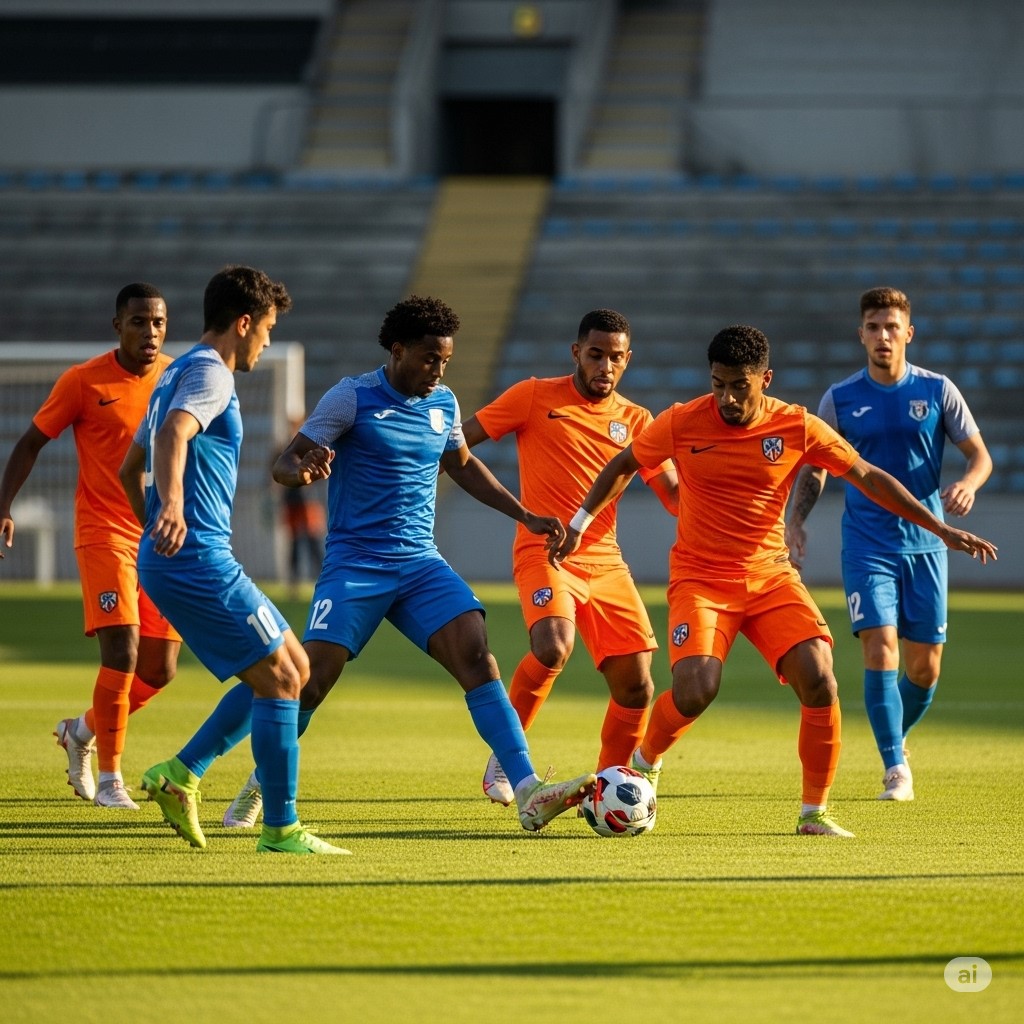
Mini Footy is more than just a small-sided version of traditional football. It is a fast-paced, tactical, and skill-driven sport that has grown into a global phenomenon. Originating as a training tool for full-field soccer, it has developed into a distinct sport with its own leagues, culture, and history. In this post, we’ll explore Mini Footy’s fascinating origin, international popularity, youth and amateur adoption, professional structure, social significance, and official rules.
The Origins and History
The roots of Mini Footy date back to the early 20th century. Coaches in Europe began using smaller-sided games to teach technique and strategy. These training drills emphasized ball control, passing, and movement over brute strength.
Brazil, Spain, and the Netherlands played major roles in shaping the game. In Brazil, a variant called “futebol de salão” (hall football) evolved. Spanish and Dutch academies implemented mini games to develop youth talent. These approaches prioritized creativity, speed, and decision-making.
In the 1960s and 70s, the game became more formalized. Indoor arenas hosted 5-a-side and 6-a-side tournaments. Although initially considered recreational, these competitions drew significant attention. Clubs noticed that young players trained in Mini Footy exhibited greater tactical awareness and better footwork.
The term “Mini Footy” began to gain traction in the 1980s. It differentiated this compact style from full-field formats. By the 1990s, countries worldwide had embraced it not only for training but also as a standalone sport.
Global Popularity
Today, Mini Footy enjoys global popularity. The game is played across Europe, South America, Asia, Africa, and North America. Its accessibility and low cost contribute to its widespread appeal.
In the United Kingdom, schools and community centers run organized leagues. Spain and Portugal have thriving youth Mini Footy systems. Brazil integrates the sport at nearly every developmental stage. Argentina and Colombia use it for both training and competition.
Asian countries like Japan, South Korea, and China promote it in schools and academies. The sport has also seen growth in the Middle East. The United Arab Emirates, Qatar, and Saudi Arabia have invested in indoor facilities and leagues.
In North America, the U.S. and Canada offer Mini Footy through clubs, schools, and recreational leagues. Indoor soccer arenas often serve as venues. The game provides a fast-paced alternative to the larger pitch.
Australia and New Zealand support a vibrant Mini Footy culture. Their programs focus on grassroots participation and youth development. Even in Africa, where infrastructure can be limited, it thrives in urban and rural areas.
Mini Footy in Amateur, Youth, and School Settings
Mini Footy is a cornerstone of youth development. Many children are introduced to the game before they play full-field soccer. It teaches foundational skills in a fun and engaging environment.
In schools, Mini Footy is used to promote physical activity and teamwork. Physical education programs favor it because it requires minimal equipment and space. With smaller teams, every child gets more touches on the ball.
Local clubs and academies organize amateur tournaments. These events often serve as scouting grounds for larger clubs. Parents appreciate the game’s safety, speed, and emphasis on skill.
Recreational adult leagues have also embraced Mini Footy. These leagues provide an outlet for fitness and competition without the physical demands of full-pitch play. Social bonds often form through these local matches.
Many countries include Mini Footy in national youth development plans. UEFA, for instance, promotes small-sided games as part of their coaching curriculum. National federations across continents implement similar strategies.
Professional Mini Footy Leagues Worldwide
Mini Footy has evolved beyond its grassroots origins. Several professional leagues have been established worldwide. These leagues attract fans, sponsors, and media coverage.
The World Minifootball Federation (WMF) governs the sport globally. It organizes World Cups and supports regional federations. Countries like Mexico, the Czech Republic, and Romania have strong national teams.
In the U.S., the Major Arena Soccer League (MASL) features high-level Mini Footy competition. With teams across North America, MASL games are fast, exciting, and broadcast on various platforms.
Eastern Europe boasts multiple domestic leagues. Russia, Hungary, and Bulgaria have professional Mini Footy clubs. These leagues feature high-caliber athletes and draw passionate local support.
Latin American countries continue to excel. Brazil, Colombia, and Paraguay host competitive tournaments. Many professional footballers started in Mini Footy before transitioning to the 11-a-side game.
Asian federations are catching up quickly. China and Iran have launched league systems with plans to expand. Sponsorships and digital broadcasting are helping grow the sport’s footprint.
The Political and Social Significance
Mini Footy holds more than athletic value. It plays a crucial role in social and political spheres. Governments and NGOs use the sport to foster community and drive change.
In underserved communities, Mini Footy provides a positive outlet for youth. Playing the game keeps children active, teaches discipline, and builds confidence. Many NGOs use it to engage at-risk populations.
Conflict zones have seen Mini Footy bring people together. In the Balkans, Africa, and the Middle East, peacebuilding organizations run tournaments involving diverse ethnic and religious groups. The sport becomes a tool for dialogue and unity.
Politicians often support Mini Footy to promote health and education. Community programs funded by local governments improve infrastructure and accessibility. Public parks now include small pitches to encourage participation.
The sport also helps integrate immigrants and refugees. Shared love of the game bridges cultural gaps. Many refugee camps have adopted Mini Footy as a key activity.
On a broader scale, the sport symbolizes equality. Teams are often mixed by age, gender, and background. Its simplicity allows anyone to play, regardless of social status or ability.
The Official Rules of Mini Footy
It typically involves 5 to 7 players per team. The most common format is 5-a-side. Matches are played on small, rectangular fields.
Standard pitch dimensions range from 25×15 meters to 42×25 meters. Goals are smaller, usually 3×2 meters. Games last two halves of 20 minutes each with a short halftime break.
There is no offside rule. This encourages constant movement and attacking play. Goalkeepers are restricted to their area and may not handle back-passes.
Teams can make unlimited substitutions during play. This keeps the game fast and reduces fatigue. Fouls result in free kicks. Accumulated fouls may lead to penalty shots.
Slide tackles are often discouraged or prohibited. Safety is a priority. Physical contact is minimal compared to full-pitch football.
Walls or boards sometimes surround indoor pitches. This allows continuous play without throw-ins. In outdoor settings, the ball is out of play when it crosses the boundaries.
Tactical formations vary. Coaches might use a 2-2 or 2-1-1 setup. Quick passing and spatial awareness are vital. Because of the small field, players must think and act quickly.
Referees enforce the rules strictly to maintain fairness. Some leagues allow video replay for close calls. Overall, the game emphasizes speed, technique, and teamwork.
Conclusion: Mini Footy’s Expanding Impact
Mini Footy has evolved from a simple training method into a global sporting movement. It promotes skill, teamwork, and social cohesion. The game is accessible, inclusive, and deeply woven into communities worldwide.
Professional leagues elevate its profile. Youth and amateur programs ensure its future. Socially, the sport builds bridges and empowers players of all backgrounds.
With global interest rising, it will continue to thrive. Its fast pace and inclusive spirit resonate across cultures. Whether on playgrounds or professional arenas, the game leaves a lasting impact.
Mini Footy is here to stay. Its influence will only grow with time.