
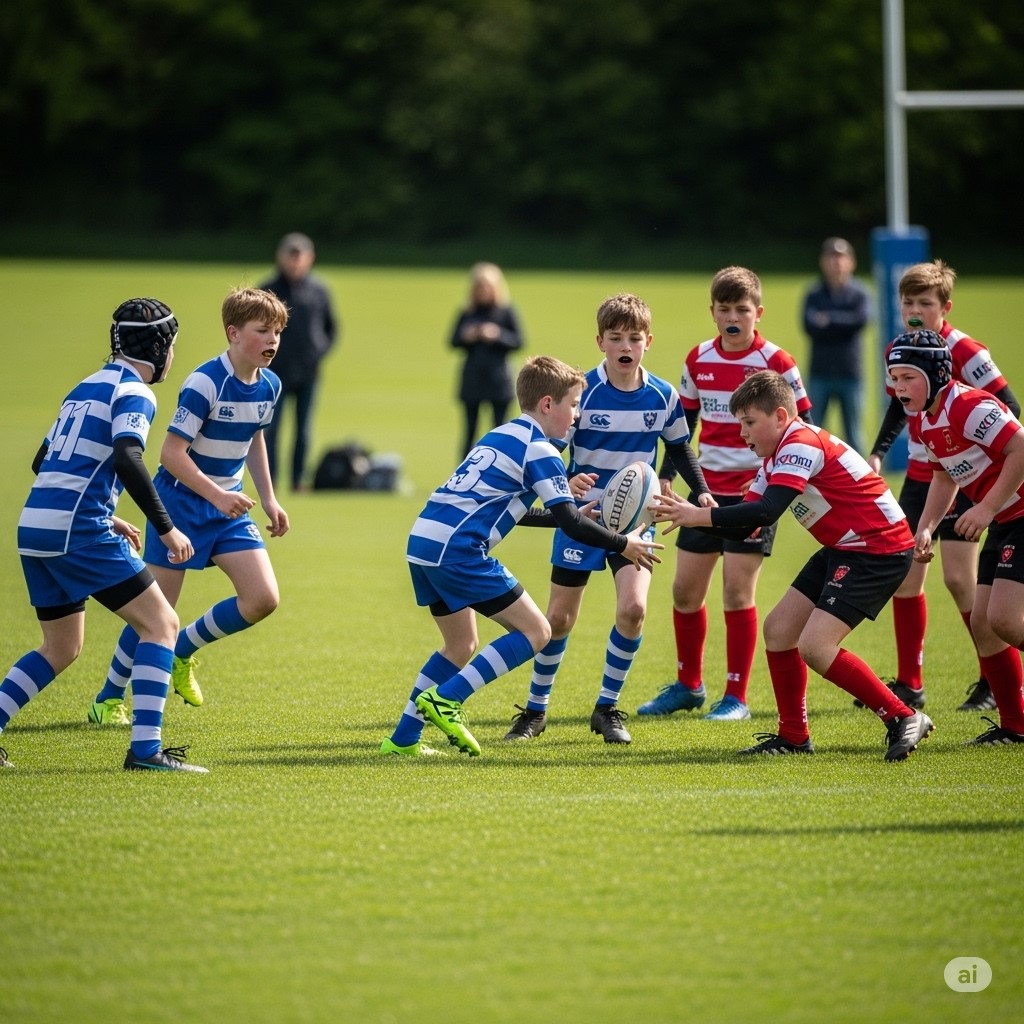
Mini Rugby: A Global Sport for Youth and Future Stars
Mini Rugby continues to grow as one of the most influential youth sports globally. Parents, educators, and athletic organizations increasingly turn to it to teach teamwork, discipline, and physical fitness. The sport offers young players a structured, safe introduction to rugby. With strong roots and international appeal, Mini Rugby builds future athletes and global citizens. It is no surprise that it
Origins and History of Mini Rugby
It emerged from the broader sport of rugby union in the 1960s. The idea was to create a safer version of the game for young players. Teachers and rugby clubs in the United Kingdom led the charge. They reduced physical contact and scaled down the field to suit children’s abilities. The Rugby Football Union (RFU) formalized the sport in 1970. Soon after, many countries adopted similar models.
By the 1980s, Mini Rugby had reached Australia, New Zealand, and South Africa. These rugby-strong nations embraced the sport with enthusiasm. Coaches valued the skill development it offered. Schools recognized its educational potential. Over time, governing bodies updated the rules to reflect safety standards and youth needs. Today, the sport stands as an essential part of many rugby development programs.
Global Popularity and Reach
Mini Rugby enjoys widespread participation across five continents. In Europe, the United Kingdom remains its strongest hub. Ireland, France, and Italy also host major youth tournaments. Across the English Channel, Germany and the Netherlands have shown growing interest.
In the Southern Hemisphere, New Zealand integrates it into school curricula. Australia and South Africa maintain robust club systems. The sport serves as the first step toward elite rugby in these nations.
Asia has witnessed a sharp rise in youth rugby programs. Japan, fresh from hosting the 2019 Rugby World Cup, invested heavily in grassroots efforts. Hong Kong and Singapore run advanced Mini Rugby festivals, drawing international teams.
The Americas have also embraced the sport. In the United States and Canada, rugby is no longer niche. Youth clubs, high school programs, and national governing bodies all promote Mini Rugby. South American countries like Argentina and Uruguay, known for their senior squads, now focus on early development.
Amateur Mini Rugby at Youth and School Levels
The amateur scene forms the backbone of Mini Rugby. Most players begin at local clubs or through school teams. These programs often cater to ages 6 through 12. Coaches prioritize skill-building over competition. Children learn how to pass, tackle, and run in a supportive environment.
In schools, Mini Rugby complements physical education curricula. Many schools partner with local clubs. This collaboration ensures consistent training and game time. Seasonal leagues and weekend festivals help children apply what they’ve learned in practice.
Volunteer coaches, often parents or former players, lead training sessions. National rugby unions usually provide certification courses. This ensures that coaching meets safety and teaching standards. Training emphasizes inclusion. Everyone, regardless of size or gender, has a role to play.
Mini Rugby also teaches life lessons. Players learn respect, resilience, and teamwork. These values align with educational goals. They help children grow both on and off the field.
Professional Leagues and Pathways
While Mini Rugby itself remains amateur, it forms the base for professional success. Many current stars began in Mini Rugby. Leagues worldwide use it to scout and develop talent.
In the UK, the Premiership Rugby academies scout children as young as 13. These players often begin in Mini Rugby. From there, they enter structured pathways that lead to professional contracts.
France’s Top 14 clubs operate similar academies. Their youth teams compete in national tournaments. Coaches track performance and provide advanced training.
In New Zealand, the All Blacks’ pipeline begins with grassroots involvement. Mini Rugby introduces players to the culture and demands of elite sport. Provincial unions then take over, guiding youth through to the professional level.
Japan’s Top League clubs also invest in youth development. Many hold clinics in partnership with schools. These efforts help build fanbases and future talent.
Although the United States lacks a major professional rugby league, Major League Rugby (MLR) is growing. MLR teams run development programs and community outreach. Mini Rugby plays a crucial role in these initiatives.
Social and Political Significance
Mini Rugby holds deep cultural significance. In many countries, it serves as a community anchor. Clubs host matches, social events, and family days. These activities promote bonding and civic pride.
In South Africa, rugby helped heal post-apartheid divisions. Mini Rugby continues that legacy by bringing children of all backgrounds together. Programs in underprivileged areas aim to reduce inequality and boost education.
The UK uses Mini Rugby to foster inclusion. Many clubs have disability-friendly teams. Mixed-gender games are also common. These initiatives promote equality and challenge stereotypes.
Politically, national rugby unions often receive government support for youth initiatives. Countries see Mini Rugby as a way to combat childhood obesity and promote mental well-being. Ministries of sport and education back programs in schools and communities.
In Japan, Mini Rugby represents national pride. The 2019 World Cup sparked widespread interest in youth rugby. Government grants now fund equipment and training.
In the U.S., rugby promotes diversity in sport. Mini Rugby opens doors for children who might not fit into traditional American sports. This diversification reflects broader social changes.
Rules of Mini Rugby
It follows simplified rules. These adapt to age and skill levels. The field is smaller, often half the size of a full rugby pitch. Each game lasts between 10 and 20 minutes per half, depending on the age group.
Teams typically consist of seven to ten players. Coaches focus on basic skills. Children learn how to pass backward, run forward, and support teammates.
Tackling is introduced gradually. For younger children, tags or touch rugby replaces tackling. As players mature, they learn safe tackle techniques.
There are no scrums or lineouts in most age groups. This keeps the game flowing. Kicking is also limited to specific situations.
The offside rule still applies. Players must stay behind the ball. Coaches and referees explain rules clearly to help learning.
Games use modified equipment. Lighter balls and soft tackle pads keep players safe. Referees emphasize teaching over penalizing.
Substitutions are rolling. Every player gets time on the field. The goal is participation, not winning.
Coaches lead pre-game warm-ups and post-game reviews. These sessions focus on development, not just results.
Conclusion
Mini Rugby stands as more than just a sport. It is a developmental tool, a cultural bridge, and a social catalyst. From its roots in the UK to its presence across Asia and the Americas, the sport continues to grow. It teaches children essential skills, builds character, and offers a gateway to professional success. As the world seeks ways to unite communities and inspire youth, it delivers on all fronts. Whether played on a muddy field in Wales or a schoolyard in Tokyo, its impact is undeniable.
With its blend of fun, fitness, and friendship, Mini Rugby is here to stay. Stakeholders from parents to policy-makers recognize its value. The future looks bright for this compact but powerful version of a global game.