
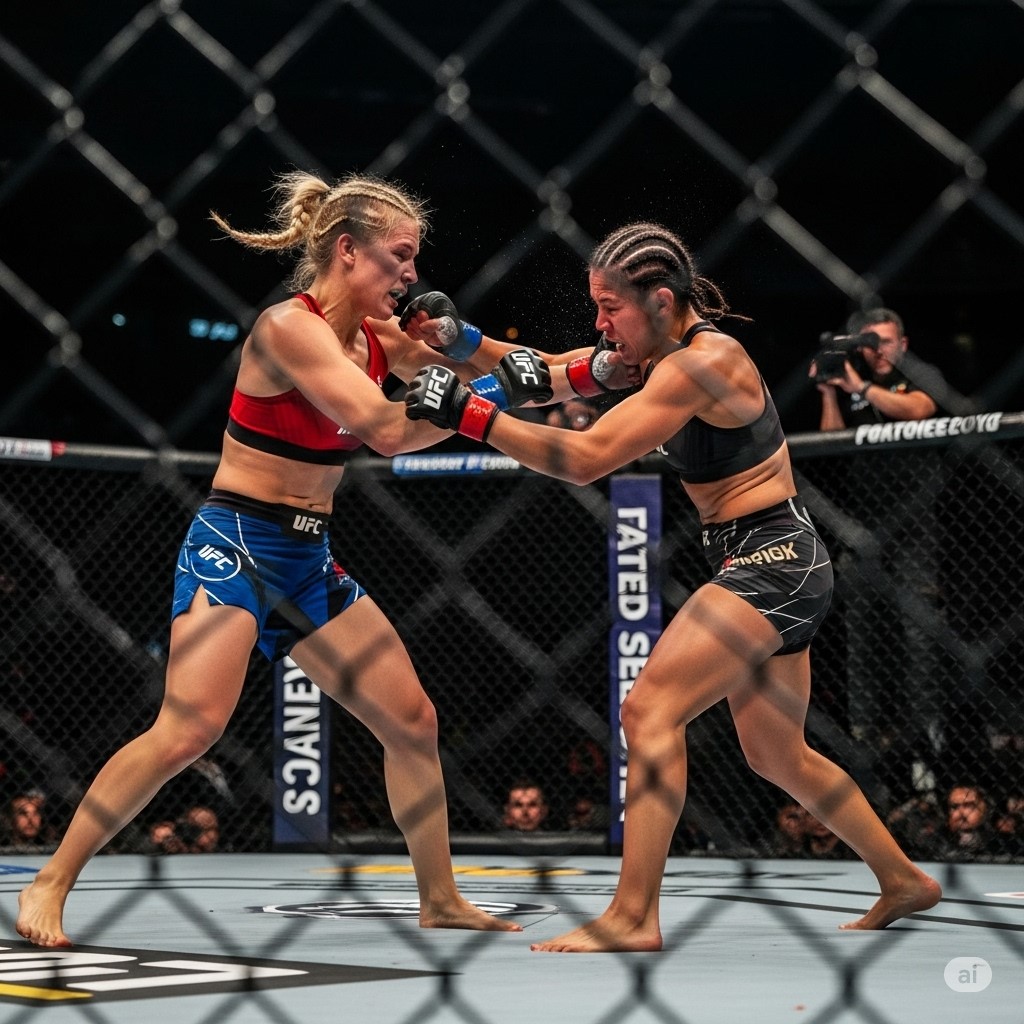
The Rise and Reach of Mixed Martial Arts: A Global Combat Phenomenon
Mixed Martial Arts has become one of the fastest-growing sports in the world. Combining elements from various combat disciplines, it has captivated audiences from all walks of life. The sport blends athleticism, strategy, and raw physical power. As more people embrace it, both as fans and competitors, its presence continues to expand worldwide. This article explores the origin, global impact, amateur participation, professional leagues, societal relevance, and the essential rules of Mixed Martial Arts.
Origins and History of Mixed Martial Arts
The concept of combining different fighting styles isn’t new. Ancient civilizations often held combat sports that mirrored modern MMA. In ancient Greece, “Pankration” mixed boxing and wrestling. It became a popular Olympic sport as early as 648 B.C.
In Asia, martial arts like Muay Thai, Jiu-Jitsu, and Kung Fu developed over centuries. Warriors refined these systems through discipline and combat necessity. Meanwhile, Europe saw the rise of catch wrestling and boxing.
The modern form of MMA began to emerge in the 20th century. In Brazil, the Gracie family introduced “Vale Tudo,” meaning “anything goes.” This no-rules style focused on submission and ground fighting. These contests laid the groundwork for today’s MMA.
In the 1990s, the Ultimate Fighting Championship (UFC) launched in the United States. Its goal was to find the most effective martial art. Fighters from different disciplines faced off with minimal rules. Over time, the need for safety and fairness led to standardized rules and regulations. The result was a refined sport—Mixed Martial Arts.
Global Popularity of Mixed Martial Arts
Today, MMA enjoys massive global appeal. UFC events fill arenas from Las Vegas to Abu Dhabi. Millions tune in to watch high-stakes matchups across pay-per-view and streaming platforms.
Asia has become a stronghold for the sport. Organizations like ONE Championship in Singapore draw huge crowds and feature elite fighters from across the continent. In Japan, MMA remains deeply rooted in the martial tradition, thanks to promotions like Rizin Fighting Federation.
Europe has also embraced the sport. The United Kingdom and Russia produce top-tier fighters. Events in London and Moscow frequently sell out.
South America, especially Brazil, maintains a deep connection to MMA. Fighters from Rio de Janeiro often rise to prominence in international leagues.
Africa is producing rising stars, many of whom find success in top leagues. Fighters like Israel Adesanya and Francis Ngannou have inspired a new generation.
Australia and New Zealand have thriving MMA scenes. Promotions like Eternal MMA give regional fighters the opportunity to shine.
The sport’s global growth is also evident in the media. Documentaries, podcasts, and influencer content have introduced MMA to new audiences. As digital platforms expand, so does the sport’s global footprint.
Amateur and Youth Participation in MMA
While professional MMA gets the spotlight, the amateur scene is its foundation. In many countries, amateur leagues prepare fighters for the big stage.
The International Mixed Martial Arts Federation (IMMAF) oversees global amateur competition. National federations under IMMAF organize tournaments and rank fighters. These contests include safety protocols like protective gear and limited round times.
Youth MMA is also growing. Schools and gyms offer age-appropriate programs focused on fitness and self-defense. Children learn discipline, respect, and teamwork.
In the United States, youth competitions follow strict regulations. Headgear, padded gloves, and limited techniques ensure safety. Many states require licenses for organizers and background checks for coaches.
In Europe, youth MMA blends with traditional martial arts curriculums. Kids may start with Judo or Karate before transitioning to MMA.
In Asia, youth programs emphasize cultural respect and honor. Training focuses on fundamentals and physical development.
Across the world, amateur MMA fosters discipline and personal growth. It serves as a stepping stone for future professionals.
Professional Leagues Around the World
The UFC is the most recognized MMA league globally. Based in the United States, it hosts top-ranked fighters and high-revenue events.
ONE Championship, headquartered in Singapore, is Asia’s premier organization. It blends MMA with other martial arts like Muay Thai and Kickboxing.
Bellator MMA operates in the United States and Europe. It features high-level athletes and hosts tournaments that boost rising talent.
Rizin Fighting Federation in Japan celebrates the country’s deep martial history. Events combine spectacle with elite-level competition.
The Professional Fighters League (PFL) offers a unique season format. Fighters compete in a point-based system, culminating in playoffs and a championship.
Cage Warriors, based in the UK, is a prominent European feeder league. Many UFC stars began their careers here.
BRAVE Combat Federation in Bahrain promotes MMA across the Middle East and Asia. It aims to develop local talent and elevate regional MMA.
KSW in Poland is one of Europe’s biggest promotions. Its production value and fighter roster attract fans across the continent.
Each league contributes to the sport’s growth. They provide platforms for fighters of all backgrounds to succeed.
Political and Social Significance of MMA
Mixed Martial Arts goes beyond the cage. Politically, it has become a symbol of soft power. Countries host major events to boost tourism and global image.
The UFC has partnered with governments to hold events in countries like Abu Dhabi. These partnerships generate revenue and foster international cooperation.
Socially, MMA serves as a tool for change. Many athletes rise from poverty and hardship. Their stories inspire fans and show what determination can achieve.
MMA gyms offer more than training. They provide structure and community. In underserved areas, they help reduce crime and promote positive behavior.
Female fighters have shattered stereotypes. Stars like Amanda Nunes and Valentina Shevchenko have proven that women can dominate the sport. Their success encourages gender equality and empowerment.
In some countries, the sport challenges cultural norms. Fighters from conservative societies often face criticism. Yet they persevere and pave the way for future generations.
Veterans often turn to MMA as a form of therapy. Training helps them cope with PTSD and reintegrate into society.
MMA’s societal reach continues to expand. It influences fashion, entertainment, and even education.
Rules and Regulations of Mixed Martial Arts
To ensure safety and fairness, MMA follows a standardized rule set. The Unified Rules of Mixed Martial Arts govern most professional bouts.
Fights take place in a cage or ring. Each bout is divided into three five-minute rounds. Championship matches last five rounds.
Fighters compete in weight classes. This system promotes fair competition and fighter safety.
Victory can come in several ways:
- Knockout (KO)
- Technical Knockout (TKO)
- Submission
- Judges’ Decision
- Disqualification
- Forfeit
Legal techniques include punches, kicks, knees, elbows, and grappling. Fighters can strike standing or on the ground.
Illegal moves include headbutts, eye gouging, groin attacks, and strikes to the back of the head. Referees enforce the rules and can deduct points or stop the fight.
Judges score based on:
- Effective striking
- Grappling
- Control of the fighting area
- Aggressiveness
- Defense
Protective equipment includes gloves, mouthguards, and groin protectors. Fighters must pass medical exams before and after fights.
Drug testing is mandatory in most leagues. Athletic commissions enforce strict anti-doping policies.
MMA training includes conditioning, technique, and strategy. Fighters work with coaches in areas like wrestling, striking, and jiu-jitsu.
Rules may vary slightly by league and location. However, most promotions follow the Unified Rules to ensure consistency.
Conclusion
Mixed Martial Arts has evolved from ancient combat into a global phenomenon. It combines tradition with innovation, respect with intensity. From youth programs to professional leagues, the sport continues to grow.
Its global appeal, cultural impact, and personal empowerment make it more than a sport. It’s a movement that unites people across continents and backgrounds.
As MMA continues to develop, its reach will expand even further. Whether you’re a fighter, fan, or newcomer, Mixed Martial Arts offers something for everyone.
Explore the world of MMA and discover the stories, strength, and spirit behind this dynamic sport.