
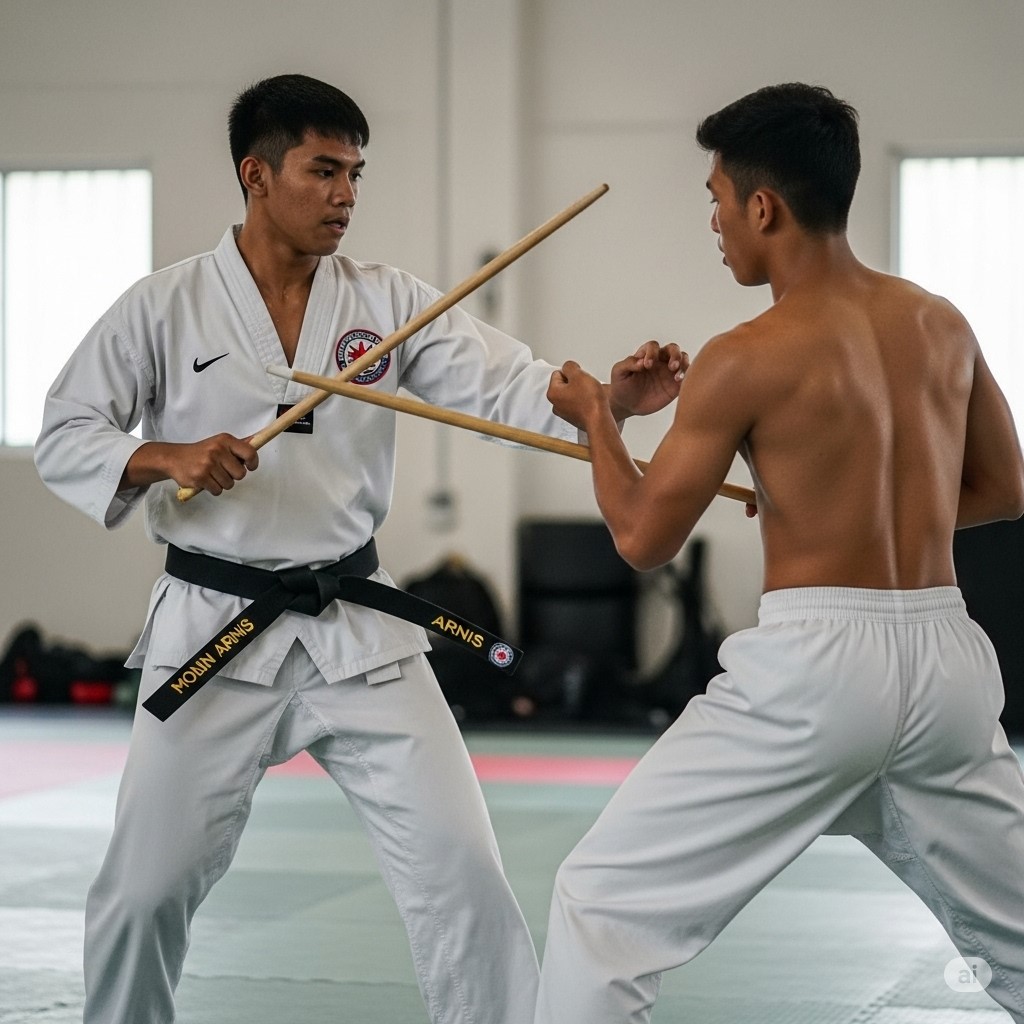
Modern Arnis: A Deep Dive into the Dynamic Filipino Martial Art
Modern Arnis is a powerful and dynamic martial art that originated in the Philippines. It blends traditional Filipino fighting styles with modern training methods. Today, it stands as a respected sport and self-defense system across the world. This article explores the origins, global popularity, amateur practices, professional leagues, social impact, and official rules of Modern Arnis. Whether you’re a beginner or an enthusiast, this comprehensive guide will deepen your understanding of this unique martial art.
Origins and History of Modern Arnis
The roots of Modern Arnis stretch back to ancient Filipino combat systems. These early styles were developed for survival and defense in tribal conflicts. Over time, they evolved through the influence of colonization and foreign invaders.
In the 16th century, Spanish conquistadors encountered fierce resistance from Filipino warriors. Indigenous fighters used rattan sticks, knives, and bladed weapons to defend their land. To suppress rebellion, the Spanish banned Filipino martial arts. As a result, locals disguised their techniques in dances and performances.
Despite suppression, these arts were preserved through oral tradition and practice. In the 20th century, a resurgence took place. Grandmaster Remy Presas played a pivotal role. Born in 1936 in Hinigaran, Negros Occidental, Philippines, Presas trained in various martial arts disciplines. He sought to modernize and preserve the Filipino martial tradition.
In the 1950s, Presas developed Modern Arnis. He aimed to make it accessible, safe, and practical. His system emphasized stick fighting, empty-hand techniques, and self-defense. Presas taught in schools, universities, and military institutions. By the 1970s, it had spread internationally.
After migrating to the United States, Presas founded the International Modern Arnis Federation (IMAF). He continued to teach and refine the system until his passing in 2001. Today, his legacy lives on through countless practitioners worldwide.
Global Popularity and Reach of Modern Arnis
Modern Arnis has grown far beyond the Philippines. It enjoys a global presence thanks to dedicated teachers and organizations. In North America, Europe, and Asia, it is practiced by martial artists of all ages.
In the United States, it is taught in martial arts schools, colleges, and police academies. Canada, Germany, and Australia also have strong communities. Seminars and camps attract participants from around the globe.
The system appeals to diverse practitioners. Some focus on sport competition. Others train for self-defense. Many appreciate the cultural heritage embedded in the art. Its adaptability and practicality contribute to its popularity.
Organizations like the World Modern Arnis Alliance (WMAA) and the Deutscher Arnis Verband in Germany promote the art. They host events, certifications, and training programs. Social media and online platforms have further expanded its reach.
Schools in countries like Japan, Sweden, and Brazil have incorporated Modern Arnis into their curricula. The sport’s international growth continues to flourish, driven by passionate instructors and students.
Amateur Practice: Youth and School Programs
Modern Arnis is not limited to adult practitioners. Youth programs are thriving in many regions. Schools and clubs offer age-appropriate training for children and teens. These programs emphasize discipline, respect, and physical fitness.
In the Philippines, Modern Arnis is part of the physical education curriculum. The Department of Education includes it in sports competitions like Palarong Pambansa. Students compete in forms (anyo) and sparring (labanan).
In the United States, after-school programs and summer camps offer instruction. Kids learn stick techniques, striking, and self-defense. Training fosters confidence and coordination.
Europe also supports youth development. In Germany and the UK, schools integrate Modern Arnis into PE classes. Competitions for juniors are organized under safety guidelines.
Amateur tournaments provide a platform for growth. Young athletes gain experience and recognition. Community centers and martial arts clubs sponsor local events. These grassroots efforts build a strong foundation for the sport’s future.
Professional Leagues and Organizations
Several professional organizations govern Modern Arnis worldwide. They set standards, promote events, and certify instructors. The International Modern Arnis Federation (IMAF) remains influential. Founded by Remy Presas, it continues his mission.
The World Modern Arnis Alliance (WMAA), led by Datu Tim Hartman, is another major group. Based in the U.S., it offers seminars, rankings, and tournaments. WMAA emphasizes both traditional values and modern application.
In Germany, the Deutscher Arnis Verband organizes national events. It supports a structured belt system and instructor certification. Their leagues host competitions for both forms and sparring.
Other notable organizations include the International Arnis Federation and Modern Arnis Philippines. These groups collaborate on global events. They aim to standardize rules and promote unity.
Professional seminars attract elite practitioners. Grandmasters and high-ranking instructors share knowledge and techniques. These gatherings help maintain the art’s integrity and evolution.
In recent years, online platforms have enabled virtual instruction. This expands access to quality training and fosters international collaboration.
Social and Political Significance of Modern Arnis
Modern Arnis holds cultural and national importance in the Philippines. It symbolizes Filipino resilience and ingenuity. As a traditional art, it connects modern practitioners with their heritage.
The sport promotes national pride. Government support for Modern Arnis reflects its value. Laws like the Arnis Law of 2009 (Republic Act No. 9850) declare Arnis as the national martial art and sport of the Philippines.
Socially, Modern Arnis empowers individuals. It teaches self-defense, discipline, and respect. Communities use it to engage youth and prevent crime. Martial arts programs offer alternatives to negative influences.
In global contexts, Modern Arnis bridges cultures. Practitioners from different countries connect through training and events. The art fosters mutual respect and understanding.
Women and minorities find empowerment through the sport. Many female instructors lead classes and compete internationally. The inclusive nature of Modern Arnis makes it accessible to all backgrounds.
Culturally, the art preserves Filipino traditions. Language, music, and rituals are integrated into practice. Festivals and demonstrations celebrate this rich heritage.
Rules and Structure of Modern Arnis
Competition involves structured events. Two main categories dominate: Anyo (forms) and Labanan (sparring).
In Anyo, participants perform choreographed routines. These routines showcase technique, flow, and precision. Judges score based on accuracy, speed, and style. Solo and team performances are allowed.
Labanan involves live sparring with padded sticks. Protective gear includes headgear, gloves, body armor, and groin protection. Matches typically last three rounds of two minutes each.
Points are awarded for clean strikes to valid target areas. These include the head, torso, and limbs. Excessive force and illegal moves result in penalties.
There are three main types of sparring:
- Full-contact – Emphasizes power and endurance.
- Semi-contact – Focuses on technique and control.
- Point sparring – Prioritizes speed and precision.
Judges and referees ensure fair play. Each match includes a center referee and two or more side judges. Decisions are made based on majority scoring.
Disqualification occurs after repeated rule violations. Respect for opponents and officials is mandatory.
The belt ranking system marks progression. Beginners start as white belts and can advance to black belt and higher. Each level involves testing and demonstration of skills.
Instructors must meet certification requirements. Organizations set criteria for ranks and promotion. Seminars and continued education are encouraged.
Conclusion
Modern Arnis is a living legacy of Filipino martial culture. Its blend of tradition and innovation makes it unique among martial arts. From its origins in tribal warfare to global recognition, it has come a long way.
The sport thrives in amateur and professional circles. Youth programs nurture the next generation. Leagues and organizations promote excellence and unity. Politically and socially, it uplifts communities and preserves heritage.
Rules and structured training ensure safety and growth. It continues to inspire, protect, and connect people worldwide.
With its dynamic techniques and cultural depth, Modern Arnis stands as a martial art for the modern age.