
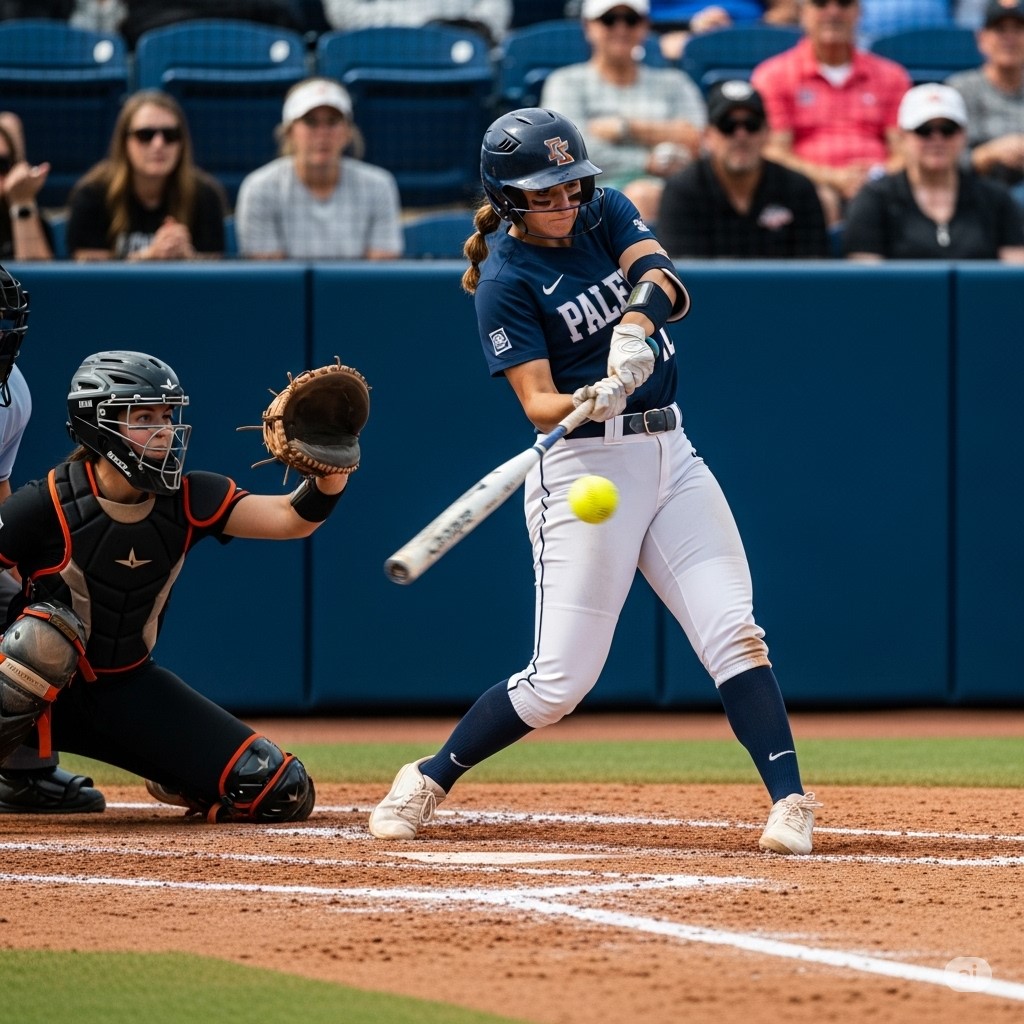
The Ultimate Guide to Modified Pitch Softball: History, Rules, Global Reach, and Social Impact
Modified Pitch Softball is a unique variation of the traditional softball game. While often overshadowed by fastpitch and slowpitch softball, this version of the sport has developed its own loyal following. It features a pitching style that blends the speed of fastpitch with the control of slowpitch. Modified Pitch Softball offers an exciting challenge to players of all skill levels. As we explore the sport’s origins, global popularity, amateur play, professional leagues, rules, and cultural impact, you’ll understand why this game continues to grow.
The Origins and Evolution of Modified Pitch Softball
Softball was invented in 1887 in Chicago, Illinois. A group of men at the Farragut Boat Club improvised the sport indoors using a boxing glove and broomstick. Over time, the game evolved into an outdoor pastime. Initially, there was no distinction between fastpitch, slowpitch, or modified pitch.
Modified Pitch Softball emerged in the early 20th century. Communities and leagues started adjusting pitching styles to balance competition. Fastpitch dominated competitive leagues, but many players found it too demanding. Slowpitch offered accessibility, but some wanted more action. Thus, the modified pitch style was born. It allowed a more moderate pitching speed, emphasizing strategy and fielding.
By the 1950s, the style gained popularity across the United States. Parks and recreation departments adopted modified pitch rules. In particular, Midwestern states like Illinois, Michigan, and Ohio became hotbeds for the sport. The game’s adaptable nature made it perfect for local leagues.
Global Popularity and Geographical Reach
Though deeply rooted in American culture, Modified Pitch Softball has spread internationally. Countries like Canada, Australia, and the Philippines have embraced the sport. These nations have added local flair while respecting the core rules.
In Canada, leagues in Ontario and British Columbia host annual tournaments. Australian recreational leagues use modified pitching for mixed-gender teams. In the Philippines, local schools introduce the sport to students, ensuring future growth.
Modified Pitch Softball is also played in Latin America, particularly in Puerto Rico and the Dominican Republic. These regions have produced skilled players who now compete globally. The International Softball Federation has recognized modified pitch leagues in Asia and Europe.
Japan and the Netherlands have included the sport in regional games. Additionally, international communities in the United Arab Emirates and Singapore play the game within expat leagues.
How Amateur Modified Pitch Softball Thrives
At the amateur level, Modified Pitch Softball thrives in recreational, youth, and school leagues. Community centers often sponsor adult leagues for men, women, and co-ed teams. Games are held on weekdays and weekends. These leagues focus on sportsmanship and physical activity rather than elite competition.
Youth leagues introduce children to the basics. Coaches use modified pitch to bridge the gap between slowpitch and fastpitch. This style gives young pitchers a chance to develop proper mechanics. It also teaches batters how to track and respond to pitches.
Many middle and high schools, particularly in the Midwest, offer modified pitch divisions. These programs prepare students for more advanced softball play. In school leagues, modified pitch rules promote fairness and encourage more offensive action.
College intramural programs also include Modified Pitch Softball. The manageable skill level ensures inclusive participation. Students form teams for semester-long competitions, creating bonds and building fitness habits.
Professional Leagues and Competitive Play
While not as commercialized as baseball or traditional fastpitch softball, Modified Pitch Softball has its own professional scene. Semi-professional leagues operate in various regions of the United States. Teams travel to compete in national tournaments.
One notable event is the ASA/USA Softball National Championship. Though primarily fastpitch and slowpitch-focused, this event includes modified pitch divisions. Teams from across the country gather to compete at the highest level.
Canada has similar structures. Softball Canada organizes tournaments that include modified pitch events. Players in these leagues often have years of amateur experience.
Some players transition into coaching or officiating roles. This cycle ensures the sport’s continued growth. Though major TV deals are rare, social media and streaming platforms have increased visibility.
In Puerto Rico and the Dominican Republic, sponsored tournaments feature top-tier talent. Prize money and media coverage continue to increase, making the sport more viable as a professional path.
Efforts are ongoing to establish a more unified professional league. Advocates aim to create seasonal schedules, improve compensation, and attract sponsors.
Social and Political Significance
Modified Pitch Softball holds more than just athletic value. It serves as a tool for community development and social connection. Neighborhood leagues foster inclusion, bringing people from diverse backgrounds together.
In urban areas, the sport gives youth a positive outlet. Programs led by nonprofit organizations use softball to teach leadership and teamwork. These initiatives have helped reduce violence and improve academic outcomes.
The sport also plays a role in gender equality. Co-ed leagues provide a rare platform where men and women compete together on equal terms. Women gain leadership roles as captains and coaches.
Modified Pitch Softball supports mental wellness too. Participants report reduced stress and improved social engagement. The communal aspect of the sport builds lasting friendships.
On a political level, cities and municipalities support softball leagues through funding and infrastructure. Grants help maintain fields and provide equipment. This investment reflects a recognition of the sport’s societal value.
Some leagues have even participated in social justice movements. Games have been used as fundraising events for causes like cancer research and education reform. The sport becomes a vehicle for activism and civic engagement.
Understanding the Rules of Modified Pitch Softball
Modified Pitch Softball rules combine elements of fastpitch and slowpitch. The defining feature is the pitching motion. Pitchers must use an underhand delivery, but they may not employ a full windmill motion.
Instead, the arm must stay below the hip and extend no higher than the shoulder. The ball must be delivered with a continuous motion, using a wrist snap for speed. The pitch speed typically ranges from 35 to 50 mph.
Here are key rule highlights:
- Field Dimensions: The base paths are usually 60 feet. The pitcher’s mound is 46 feet from home plate.
- Game Length: Most games are seven innings. Some leagues use time limits to ensure game flow.
- Scoring: Standard softball scoring applies. Teams alternate batting and fielding, with three outs per half-inning.
- Batting Order: Teams submit a fixed batting order. Pinch hitters and runners are allowed under specific rules.
- Fielding: Teams consist of nine or ten players. Outfielders must respect boundary lines. Infielders may not block bases without the ball.
- Equipment: Players use aluminum or composite bats, standard gloves, and protective gear. Helmets are required for batters.
- Stealing and Bunting: Rules vary. Some leagues allow base stealing; others restrict it. Bunting is usually permitted.
Umpires strictly enforce illegal pitching motions. Any violation results in a ball being awarded to the batter. Pitchers must maintain control without using deceptive movements.
Each league may modify rules slightly to suit its participants. However, the core principles remain the same.
Modified Pitch Softball in the Digital Age
The rise of digital media has given Modified Pitch Softball a wider audience. Leagues now post game footage, stats, and player profiles online. YouTube and Facebook host hundreds of highlight reels.
Online registration and scheduling platforms make league management easier. Teams use group chats and apps to organize practices. Players analyze game footage to improve performance.
Fantasy leagues and stat-tracking apps are being introduced. These digital tools increase engagement and bring fans closer to the action. Some leagues even offer livestreams with commentary.
Social media has also helped promote inclusivity. Stories of community leagues, female leaders, and youth champions gain traction. This exposure encourages others to join the sport.
Future Outlook and Growth Potential
Modified Pitch Softball continues to expand, driven by accessibility and community support. More schools and colleges are adopting the format. Parents see it as a safe and educational alternative to high-contact sports.
Efforts to include the sport in regional games and youth competitions are ongoing. International collaboration is strengthening, particularly through exchange programs.
Manufacturers are investing in specialized gear for modified pitch players. Better equipment leads to improved safety and performance.
With the help of online content creators, awareness is rising. Podcasts, blogs, and vlogs now discuss game strategies, player spotlights, and rule interpretations.
National and international associations are working to unify rulebooks. This effort ensures consistency across leagues and facilitates cross-border competition.
Community centers and local governments continue to invest in infrastructure. New fields are being constructed, and old ones renovated. These developments ensure the sport’s long-term viability.
Conclusion
Modified Pitch Softball is more than a game; it is a thriving, inclusive, and strategic sport. From its humble beginnings in the United States to its growing international presence, it offers a balance of competition and camaraderie. The sport continues to impact lives socially, culturally, and politically.
Whether played in schoolyards, city parks, or international tournaments, Modified Pitch Softball brings people together. It teaches valuable life skills, supports wellness, and fosters community pride. With ongoing efforts to expand and professionalize the sport, its future looks bright. This exciting variation of softball deserves recognition and participation from players of all ages and backgrounds.