
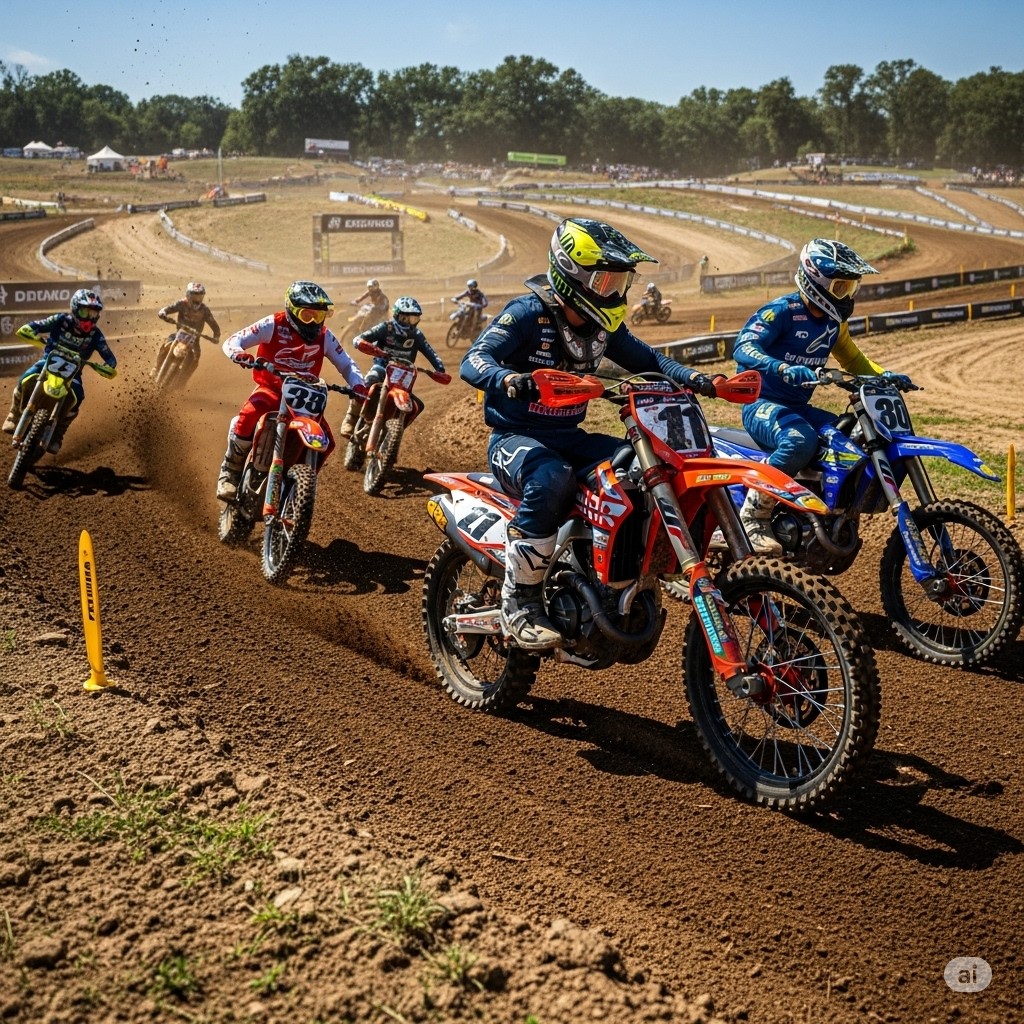
Motocross Racing: A Thrilling Ride Through History, Culture, and Competition
Motocross Racing captures the adrenaline of high-speed action and the passion of off-road competition. The sport demands peak physical fitness, razor-sharp reflexes, and mental toughness. Over the decades, it has evolved from a British pastime into a global phenomenon. This blog post dives deep into the sport’s rich history, international growth, youth development, professional leagues, societal impact, and competitive structure. Motocross Racing stands today as one of the most exhilarating and challenging sports on two wheels.
The Origins of Motocross Racing
The sport began in the early 20th century in the United Kingdom. It originated from motorcycle trials, where riders tested skill and endurance on rough terrain. These early events emphasized control and technique rather than speed.
By the 1920s, these trials transformed into races. The British called this new format “scrambling.” It combined off-road obstacles with speed-based competition. The change drew more spectators and participants. The sport gained momentum throughout the 1930s.
After World War II, motocross grew in popularity across Europe. Riders began customizing their motorcycles to handle the rugged terrain better. Engine modifications, lighter frames, and suspension improvements became common. Manufacturers like BSA, Triumph, and Matchless played pivotal roles in development.
By the 1950s, motocross had become a formal sport with organized competitions. The first Motocross World Championship was held in 1957. It included 500cc motorcycles and was sanctioned by the FIM (Fédération Internationale de Motocyclisme).
Global Popularity and Reach
Motocross Racing spread from Europe to the rest of the world quickly. The sport took root in the United States during the 1960s and 1970s. Promoters introduced European stars to American fans. The spectacle attracted large audiences. Soon, homegrown riders began rising in ranks.
The United States developed a unique motocross culture. American riders like Bob Hannah and Ricky Johnson became household names. Track designs became more technical, and stadium motocross—also known as Supercross—emerged. Supercross brought motocross into arenas, creating thrilling night events.
Today, motocross thrives in countries like Australia, Canada, Japan, and Brazil. Nations across Africa and Asia have growing motocross scenes. Riders from diverse backgrounds compete internationally. The motocross community has expanded beyond language, culture, and borders.
Television and digital platforms have helped the sport flourish. Fans can now stream events from anywhere. Social media amplifies rider profiles and team promotions. Brands invest heavily in marketing and sponsorships. This exposure boosts both the sport and the athletes.
Youth and Amateur Motocross Racing
Amateur motocross serves as the backbone of the sport. It offers a path for young riders to develop skills and progress. Youth racing begins as early as age four. Riders compete in age- and skill-based categories.
In the United States, organizations like the AMA (American Motorcyclist Association) manage amateur events. Loretta Lynn’s Amateur National is the most prestigious event for youth riders. It acts as a proving ground for future professionals.
Europe offers similar systems through federations like the ACU (Auto-Cycle Union) in the UK. Riders progress through regional events to national championships. Talent identification programs scout young athletes for factory teams.
Schools and clubs also support motocross development. In countries like France and Italy, special sports schools train youth in riding technique, fitness, and mechanical skills. These institutions often partner with manufacturers and teams.
In Australia, Junior Motocross thrives under the guidance of Motorcycling Australia. Riders compete in age classes and advance to state and national competitions. Local clubs provide mentorship and safety training.
These amateur structures play a vital role in sustaining the sport. They foster discipline, resilience, and community among young participants.
Professional Motocross Leagues
Professional motocross is a high-stakes, international endeavor. Leagues operate under strict regulations and attract elite talent.
The FIM Motocross World Championship is the most prestigious international league. It features MXGP and MX2 classes. MXGP includes the sport’s top riders on 450cc bikes. MX2 caters to younger competitors on 250cc bikes. The season spans multiple continents and draws massive global audiences.
In the United States, AMA Supercross and Pro Motocross form the core of professional racing. Supercross takes place in stadiums during winter and spring. Riders race on man-made dirt tracks filled with jumps, whoops, and berms. Pro Motocross follows in the summer with outdoor natural terrain tracks.
Japan hosts the All Japan Motocross Championship. The series highlights domestic talent and occasionally includes international riders. The tracks are varied and challenging, often influenced by European designs.
Australia features the ProMX Championship. It includes elite riders competing in MX1 and MX2 divisions. Events span several states and attract growing fan support.
Brazil and Argentina host competitive national leagues. South America has become a fertile ground for emerging motocross stars. Many transition to European circuits after dominating regional events.
Professional leagues continue to innovate. Broadcast technologies, drone footage, and virtual reality enhance viewer experience. Sponsorship deals increase financial support. The global motocross ecosystem continues to mature.
Political and Social Significance
Motocross Racing holds more than entertainment value. It carries political and social significance in many regions.
In rural communities, motocross provides economic opportunities. Events draw tourism, create jobs, and stimulate local business. Host cities gain exposure and infrastructure improvements.
In some countries, motocross empowers youth and prevents delinquency. Programs in South Africa and Colombia use the sport to engage at-risk youth. Riding becomes a constructive outlet. Community centers offer mechanical workshops and mentorship.
Motocross also promotes gender equality. Although male riders dominate, women increasingly participate. Series like WMX (Women’s Motocross World Championship) give female athletes a platform. Pioneers like Stefy Bau and Courtney Duncan have inspired young girls worldwide.
Politically, motocross sometimes faces land-use challenges. Environmental groups raise concerns about track construction. In response, organizers promote sustainable practices. Track builders use erosion control, native vegetation, and noise reduction measures.
Advocacy groups also work to preserve riding areas. They lobby for legal off-road parks and fair regulations. This balance between sport and conservation reflects motocross’s evolving social footprint.
Rules and Structure of Motocross Racing
Motocross races follow clear and standardized rules. These ensure fairness, safety, and excitement.
Riders compete on closed-loop off-road circuits. Tracks include jumps, hills, ruts, berms, and tight corners. Natural and artificial obstacles test skill and endurance.
Each event consists of multiple classes. Categories depend on engine size, rider age, and skill level. Common classes include 85cc, 125cc, 250cc, and 450cc.
Races are called “motos.” Each moto lasts from 15 to 30 minutes plus two laps. The number of motos per event varies by league.
Riders earn points based on their finishing position in each moto. The rider with the most points across all motos wins the event. Season standings depend on cumulative points.
Starts play a critical role. Riders line up behind a starting gate. When the gate drops, they accelerate toward the first corner. Early positioning can determine race outcomes.
Flag signals communicate race conditions. Yellow flags warn of hazards. Red flags stop the race. Black flags disqualify a rider. Checkered flags signal the finish.
Safety gear is mandatory. Riders wear helmets, goggles, gloves, boots, chest protectors, and knee braces. Bikes must meet technical inspections for performance and safety compliance.
Penalties apply for rule violations. These include jumping on yellow flags, cutting the track, or dangerous riding. Penalties range from time deductions to disqualification.
Practice sessions, qualifying rounds, and heat races precede the main events. This format ensures competitive balance and rider readiness.
Conclusion
Motocross Racing blends power, skill, and culture into a high-octane experience. Its journey from British fields to global stadiums reflects the sport’s resilience and appeal. Riders of all ages engage in the sport through structured amateur programs. Professional leagues showcase top-tier talent and attract global audiences. Socially, motocross empowers communities and champions diversity. Politically, it navigates environmental and regulatory landscapes.
The rules of motocross ensure competition remains fair and thrilling. As the sport continues to evolve, it captures new fans and inspires new generations. Motocross Racing will remain a cornerstone of off-road motorsports for years to come.
Whether on dusty trails or under stadium lights, the roar of motocross motorcycles echoes across continents. It unites fans, challenges athletes, and creates unforgettable moments. The legacy of Motocross Racing grows with every twist of the throttle.