
Motocross Step Up: The High-Flying Adrenaline Sport Redefining Gravity
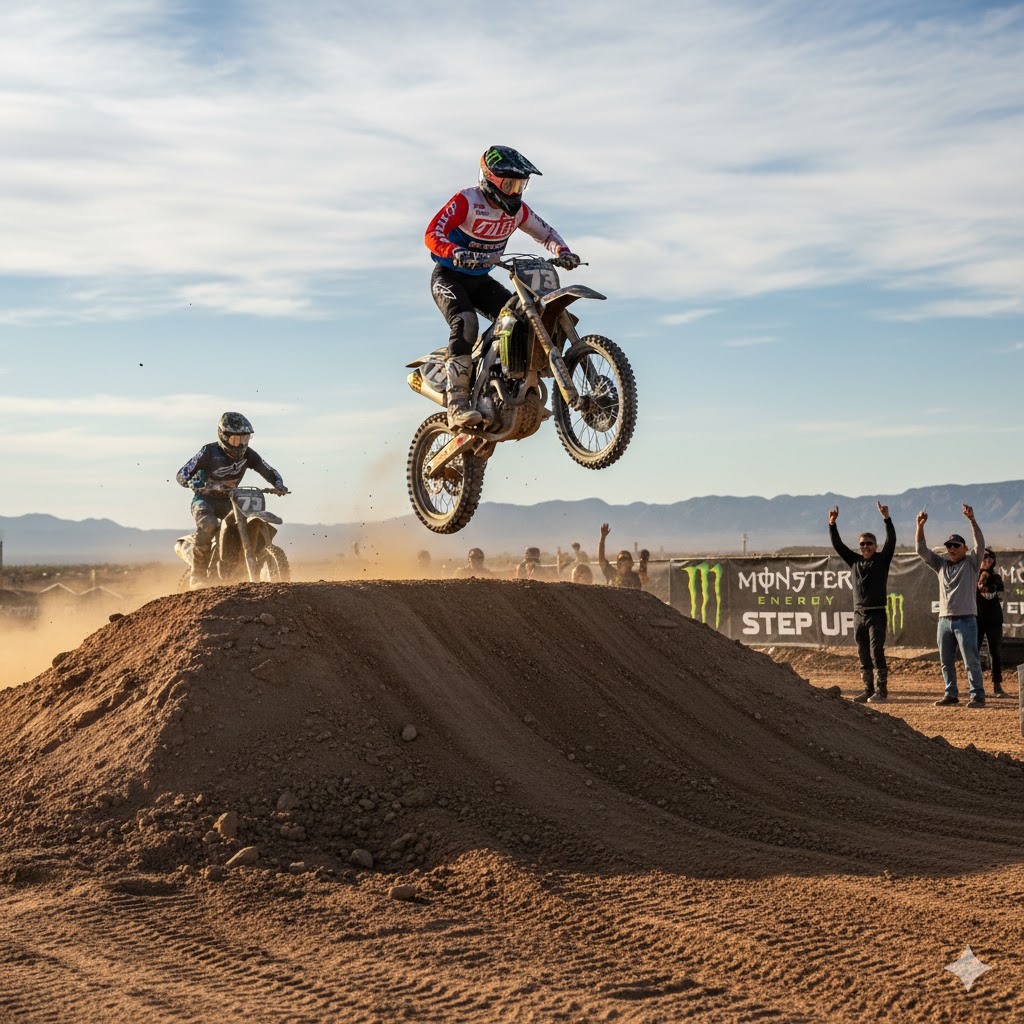
Motocross Step Up is an electrifying branch of freestyle motocross that continues to awe audiences with its death-defying heights and raw athleticism. Riders launch themselves skyward, competing to see who can soar the highest over a near-vertical dirt ramp. The sport has grown from obscure beginnings into a global spectacle, captivating fans on nearly every continent. From local dirt tracks to major arenas packed with thousands, Motocross Step Up is carving its niche in the world of extreme sports.
The Origins and History of Motocross Step Up
The story of Motocross Step Up begins in the heart of freestyle motocross culture. During the 1990s, freestyle motocross (FMX) riders started experimenting with vertical leaps at practice sessions. Their goal? To clear higher and higher bars set between two vertical posts. These informal challenges eventually caught the attention of event organizers.
Motocross Step Up made its official debut in the early 2000s. The X Games introduced it as a competitive event in 2000, giving the sport global visibility. Riders like Matt Buyten and Ronnie Renner became household names, thrilling fans with their astonishing vertical leaps. Unlike standard motocross, which emphasizes speed and endurance, Step Up focuses on vertical clearance and precise control.
As the sport evolved, event setups became more refined. Engineers designed specialized ramps and landing zones. Safety equipment also improved dramatically. While early attempts were dangerous and often crude, modern competitions prioritize rider safety without compromising excitement.
Global Popularity and Reach of Motocross Step Up
The popularity of Motocross Step Up has exploded in the last two decades. It’s now a fixture in major extreme sports events, especially the X Games. The United States remains the sport’s spiritual home, but international interest continues to grow rapidly.
In Europe, countries like France, Spain, and Germany host Motocross Step Up competitions. Riders from these nations often participate in global circuits. Australia also maintains a strong FMX scene, with Step Up attracting both fans and young riders.
Latin American countries such as Brazil and Chile have embraced the sport as well. Events are featured during extreme sports festivals and motocross tours. Asia, particularly Japan and Indonesia, has begun nurturing local talent. Social media has also played a crucial role. Viral videos of record-breaking jumps reach millions, fueling global interest and participation.
Motocross Step Up thrives on international stages. Its visual appeal makes it ideal for televised events. The sport’s simple concept—go as high as you can—translates across cultures and languages. As a result, it continues to attract sponsors, broadcasters, and fans worldwide.
Amateur Motocross Step Up: Youth and Schools
Amateur Motocross Step Up is growing fast, especially among younger riders. While not every country includes the sport in school programs, youth motocross leagues are starting to incorporate Step Up events. These competitions help young riders develop their jumping technique and control.
Local motocross clubs often host beginner-friendly Step Up contests. These events use scaled-down ramps and safety gear to ensure participant safety. In the United States, some states now include youth Step Up categories in regional motocross championships. These initiatives expose younger athletes to the sport in a structured environment.
In Europe, motocross academies have begun adding Step Up drills to their training. Instructors focus on balance, throttle control, and proper ramp approach. While most schools don’t offer official programs, private training centers fill the gap. Australia leads in youth FMX education, often using Step Up challenges as confidence-builders.
Social media also encourages youth participation. Aspiring riders post videos of backyard jumps and local contests. This content inspires others and creates online communities around the sport. Parental support and sponsorship at the amateur level are also increasing, making it easier for kids to pursue the sport seriously.
Professional Leagues and Competitions
Professional Motocross Step Up competitions revolve around a few key circuits. The X Games remain the gold standard. Held annually, the event features the best riders from around the world. The Step Up contest often becomes a highlight of the games.
Red Bull also organizes high-profile Step Up events. These showcases occur in locations ranging from urban arenas to desert landscapes. Riders compete for cash prizes and prestige. Other events like Nitro World Games have also featured the discipline, adding new dimensions to the sport.
While no single global league governs Step Up, various national FMX federations include the discipline in their event calendars. For example, the AMA (American Motorcyclist Association) supports FMX events that include Step Up divisions. In Australia, the FMX Pro Tour incorporates Step Up contests regularly.
Japan has launched domestic Step Up competitions under their motocross federation. These events nurture local talent and prepare riders for international exposure. Similarly, Latin America hosts regional competitions, some of which serve as qualifiers for global events.
These professional leagues are highly competitive. Riders train year-round, often customizing their bikes for optimal lift and control. Sponsorships, endorsements, and media appearances make it possible for top athletes to make a living through the sport.
Political and Social Significance of Motocross Step Up
Motocross Step Up carries more weight than just entertainment. In many regions, it offers a path away from at-risk environments. Riders from low-income backgrounds use the sport to gain recognition and financial support.
Some governments and nonprofit organizations have recognized this potential. In Brazil and the U.S., youth outreach programs use motocross as a tool to engage at-risk youth. Step Up, with its individual-focused format, gives riders a sense of identity and purpose.
Culturally, the sport challenges norms. Traditional motorsports often exclude alternative styles and riders from diverse backgrounds. Step Up’s freestyle nature promotes inclusion and expression. Women are also entering the sport. Though fewer in number, female Step Up riders are gaining respect and recognition.
Social media amplifies these voices. Riders use platforms like Instagram and YouTube to build personal brands. They also share their journeys, struggles, and victories. This transparency creates deeper fan engagement and social impact.
Environmental groups, however, sometimes criticize motocross for its ecological footprint. In response, event organizers are adopting greener practices. Solar-powered setups, biodegradable fluids, and limited entry zones help reduce impact.
Rules and Competition Format
Motocross Step Up competitions follow a straightforward but intense format. The setup includes a near-vertical dirt or metal ramp. Two vertical poles with a horizontal bar stand at the landing area.
Riders attempt to clear the bar without knocking it down. Each successful attempt leads to the bar being raised, usually in small increments. Riders continue until they fail to clear the height after several tries.
Each competitor typically gets three attempts at each height. A failed attempt includes touching the bar or not landing cleanly. Judges assess both clearance and landing stability. The winner is the rider who clears the highest bar.
Bikes used in Step Up are modified for vertical lift. Adjustments include suspension tuning, weight reduction, and gearing changes. Riders often tweak their throttle response and gearing for explosive power.
Rider safety is paramount. Full protective gear is mandatory, including helmets, chest protectors, and reinforced boots. Medical personnel are always present. Some events also feature airbag landings during practice sessions.
Scoring remains objective—either the rider clears the bar or doesn’t. However, some events add style points. Riders may perform a whip or flair during the ascent or descent. Still, clearance remains the primary goal.
Time limits may apply to keep events moving. If two riders clear the same height, a jump-off occurs. The bar is lowered slightly, and the jump continues until one rider clears and the other doesn’t.
Conclusion
Motocross Step Up is far more than a stunt show. It blends precision, courage, and showmanship into a one-of-a-kind experience. What started as a backyard challenge has grown into a global phenomenon. With professional leagues, youth programs, and international recognition, the sport continues to evolve.
Its cultural significance is undeniable. From uplifting marginalized communities to redefining extreme sports norms, Step Up makes an impact. And with its thrilling visuals and simple premise, it’s easy to see why fans can’t get enough.
As more countries embrace the sport and more youth get involved, Motocross Step Up promises a high-flying future. Whether you’re a lifelong fan or a curious newcomer, this sport invites you to look up—and be amazed.




