
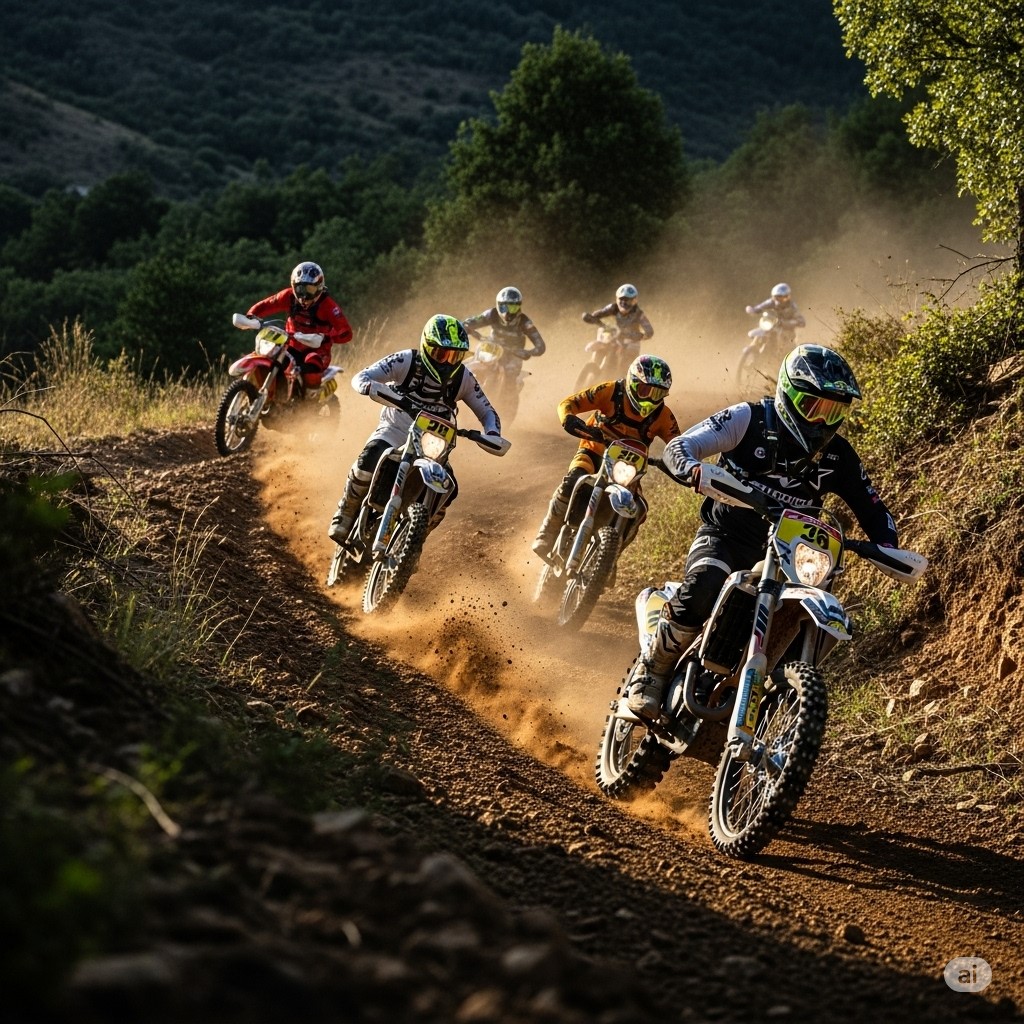
Motorcycle Enduro Racing: A Thrilling Test of Endurance and Skill
Motorcycle Enduro Racing combines speed, stamina, and off-road mastery. Riders compete across varied terrain, often under grueling conditions. Unlike motocross or road racing, Enduro challenges both man and machine over long distances. Riders must manage time, navigation, and mechanical issues while pushing their physical limits. Globally, Motorcycle Enduro Racing has gained a devoted following. It now spans continents, age groups, and skill levels.
The Origins and History of Motorcycle Enduro Racing
Motorcycle Enduro Racing has deep roots. It evolved in the early 20th century from motorcycle reliability trials in Europe. These trials tested both the durability of bikes and the endurance of riders. The United Kingdom and Italy played key roles in the sport’s birth.
The International Six Days Enduro (ISDE) began in 1913. Known as the “Olympics of Motorcycling,” it remains the oldest off-road event sanctioned by the FIM (Fédération Internationale de Motocyclisme). Riders from around the globe gather annually to represent their countries. The format influenced the development of national and regional Enduro events.
In the 1970s and 1980s, motorcycle technology improved rapidly. Bikes became lighter, faster, and more reliable. These innovations made long-distance off-road competition more viable and exciting. Enduro racing expanded from Europe into North America and beyond.
By the 1990s, distinct Enduro racing styles had emerged. In the United States, the AMA National Enduro Championship gained traction. Meanwhile, Europe introduced events like the Enduro World Championship. Each region adapted the sport to local terrain and culture, making it diverse and dynamic.
Global Popularity and Geographic Reach
Motorcycle Enduro Racing enjoys global popularity today. In Europe, the sport thrives in countries like France, Italy, Spain, and Sweden. These nations host numerous professional and amateur races each year. Clubs, sponsors, and government support sustain the scene.
In the United States, the American Motorcyclist Association (AMA) promotes Enduro through organized series. These include the National Enduro Series and the GNCC (Grand National Cross Country). Events are held in forested regions, deserts, and mountainous terrains.
Australia also boasts a strong Enduro racing culture. The Australian Off-Road Championship (AORC) draws top talent. Local clubs play a vital role in developing young riders. Government agencies often collaborate with organizers to maintain trail networks.
South America has embraced the sport too. Countries like Brazil, Chile, and Argentina host international-level events. The Andes and Amazon regions offer perfect backdrops for challenging races. Africa and Asia are newer to the scene but growing steadily. Events in South Africa, Thailand, and India attract increasing attention.
Enduro’s adaptability fuels its expansion. Riders can compete on dirt, mud, rock, and sand. No single environment defines the sport. This versatility makes it appealing to diverse audiences.
Amateur and Youth Participation
Amateur Motorcycle Enduro Racing is the sport’s backbone. Local clubs, communities, and enthusiasts sustain it. Riders often begin as hobbyists, later transitioning into competitive racers. Events are typically held on weekends and involve timed sections.
Youth participation is increasing worldwide. Junior leagues introduce children to off-road riding in safe, controlled environments. Organizations provide coaching, safety training, and age-appropriate bikes. Europe leads in youth development, especially in Italy and France.
Schools and academies also support youth programs. In Sweden and Finland, motocross and Enduro are integrated into physical education. Specialized schools teach mechanical skills alongside riding techniques. This holistic approach builds well-rounded athletes.
In the U.S., youth races are common at major events. GNCC races include mini-bike classes for kids. These experiences foster passion and discipline. Parents, coaches, and local clubs collaborate to nurture young talent.
Online platforms further promote learning. Video tutorials, forums, and simulators help new riders understand race strategies. Young riders now have more resources than ever before.
Professional Leagues and Championships
Professional Motorcycle Enduro Racing is fiercely competitive. The sport features several prominent international leagues.
The FIM EnduroGP World Championship is the pinnacle. It includes multiple rounds across Europe, each testing different skills. Riders must adapt to fast sections, technical climbs, and unpredictable weather. Points accumulate over the season, determining the world champion.
The International Six Days Enduro (ISDE) remains iconic. National teams compete in various classes, from junior to senior. The event emphasizes teamwork, endurance, and reliability.
In the United States, the AMA National Enduro Series and GNCC are top-tier. The GNCC blends Enduro and cross-country styles, attracting diverse talent. Factory-backed teams field elite riders and invest heavily in technology.
The Australian Off-Road Championship (AORC) mirrors European formats. It features timed special tests and liaison sections. Top riders often compete internationally.
The Red Bull Erzbergrodeo in Austria and the Roof of Africa in Lesotho are legendary. These extreme Enduro races push physical and mental boundaries. Fans worldwide follow them online and on TV.
Sponsors, media, and fan engagement have grown. Livestreaming, drone footage, and social media make races more accessible. Riders become brand ambassadors, influencing trends and gear choices.
Political and Social Significance
Motorcycle Enduro Racing carries social and political weight. It fosters community, responsibility, and outdoor engagement.
Local economies benefit from race tourism. Hotels, restaurants, and repair shops see increased business during events. Organizers often collaborate with local governments to ensure environmental protection and safety.
In rural areas, Enduro events promote trail conservation. Riders and clubs maintain trails year-round. This cooperation enhances sustainability and fosters respect for nature.
Socially, the sport promotes inclusivity. Riders come from various backgrounds, united by a love for challenge. Many races include adaptive classes for differently-abled riders. These efforts break down barriers and promote equity.
Politically, land use remains a hot topic. Environmental concerns sometimes clash with recreational interests. However, most organizers work closely with agencies to mitigate impact. GPS tracking, waste management, and noise controls are common solutions.
Educational initiatives teach young riders about safety, ecology, and community values. Responsible riding becomes a lifelong ethic. This aligns the sport with broader societal goals.
Enduro also serves as a platform for charitable causes. Races often fundraise for medical research, veterans, or disaster relief. This adds depth to the sport’s impact.
Rules and Format of Motorcycle Enduro Racing
Motorcycle Enduro Racing has a distinct structure. Races typically span several hours and cover extensive terrain.
Events are divided into timed special tests and non-timed liaison sections. Riders must reach checkpoints within designated windows. Penalties are given for arriving too early or late.
Each special test measures speed and skill. Courses vary—some are fast and flowing, others tight and technical. Riders tackle mud, rocks, hills, and water crossings. Timing is precise, often recorded to the hundredth of a second.
Navigation is crucial. Unlike motocross, riders follow marked routes rather than laps. Getting lost or deviating from the path can end a rider’s race.
Bikes must meet specific regulations. Categories include different engine sizes and rider classes. All bikes undergo technical inspection before the race. Safety gear—helmet, boots, gloves, and armor—is mandatory.
Mechanical repairs are allowed but limited. Riders often fix their own bikes during races. Outside assistance is usually prohibited. This tests mechanical skill and strategic thinking.
In team events like ISDE, national squads compete together. Cumulative time determines the team ranking. Cooperation is as vital as individual performance.
Officials monitor compliance and safety. Marshals, medical teams, and tech inspectors ensure fair play. Infractions lead to penalties or disqualification.
Weather plays a major role. Rain, heat, and cold change course conditions dramatically. Riders must adapt quickly. Strategy becomes just as important as speed.
Conclusion
Motorcycle Enduro Racing continues to evolve. Its mix of endurance, skill, and adventure makes it unique in motorsports. From its early 20th-century roots to today’s global championships, the sport has grown steadily. Enthusiasts around the world embrace its challenges and rewards.
Amateur and youth participation keeps the sport grounded. Professional leagues push its limits. Politically and socially, it contributes positively to communities and cultures. As rules and technology advance, the spirit of Enduro remains the same—tough, inclusive, and exhilarating.
For those who crave adrenaline and grit, Motorcycle Enduro Racing offers the ultimate ride.