
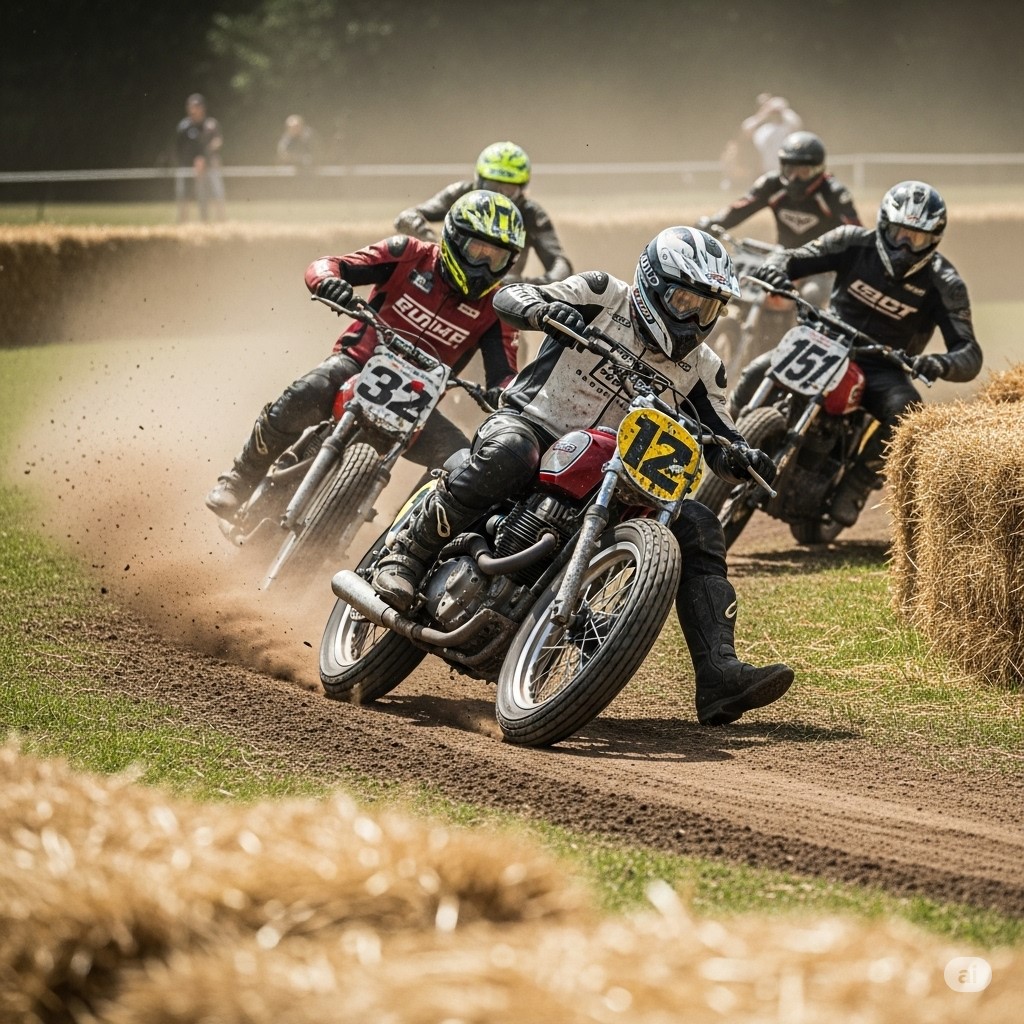
Motorcycle Grass Track Racing: The Thrill of Dirt, Speed, and Skill
Motorcycle Grass Track Racing is one of the rawest and most exciting motorsports in the world. Its charm lies in the blend of power, balance, and grit. Riders tear across oval tracks carved out of grassy fields. Unlike road racing or motocross, this sport relies on natural terrain and old-school racing roots. Although it doesn’t enjoy global mainstream fame, its passionate fanbase continues to grow.
From its humble beginnings to international championships, Motorcycle Grass Track Racing has a fascinating history. Its rules, leagues, and social impact deserve a spotlight. This blog post takes you deep into every corner of the sport. Whether you’re a seasoned fan or a curious newcomer, you’ll find this guide informative and engaging.
The Origin and History of Motorcycle Grass Track Racing
Motorcycle Grass Track Racing began in the early 20th century. Riders in rural England created makeshift tracks on open fields. These early competitions were informal and community-based. No paved roads, no grandstands—just bikes, helmets, and ambition.
In the 1920s, the sport started gaining structure. Organized events appeared across the UK, especially in counties like Kent and Somerset. The first official championship happened in 1928. This marked the beginning of formalized competition.
The 1930s saw rapid growth in Europe, especially in Germany, the Netherlands, and France. Riders from different regions began forming clubs. These clubs organized annual races and festivals, drawing large local crowds.
After World War II, the sport bounced back stronger. New bikes, better engines, and improved gear brought a modern edge. Tracks became more refined, and events became annual traditions.
The 1970s and 1980s saw international exposure. World championships were introduced. Riders from outside Europe, especially Australia and New Zealand, began participating. The community grew tighter, with rivalries, legends, and historical records adding depth to the sport’s legacy.
Today, it remains a grassroots motorsport with deep cultural ties in Europe. Despite technological changes, the essence of Motorcycle Grass Track Racing has stayed the same—man, machine, and raw terrain.
Global Popularity and Where It’s Played
Motorcycle Grass Track Racing thrives in several parts of the world, particularly in rural areas. Its charm lies in the fact that it doesn’t need complex infrastructure. Just a field, a crowd, and the roar of engines.
Europe
Europe is the heart of the sport. The UK leads with dozens of amateur and professional clubs. Germany hosts the most international events. The Netherlands and France also have vibrant racing scenes.
Eastern Europe has joined the mix in recent years. Countries like the Czech Republic and Poland have embraced the sport. Riders from these regions have competed successfully at world events.
Oceania
Australia and New Zealand have their own strong history. With vast open spaces, the sport fits perfectly into rural lifestyles. Many successful riders from this region have competed in European circuits.
United States
In the U.S., the sport exists on a smaller scale. It remains overshadowed by flat track and motocross racing. However, several states in the Midwest and South have active grass track communities.
South America and Asia
Interest is emerging in South America, especially in Argentina and Brazil. Asia remains a developing market for the sport. Countries like India and Indonesia have shown growing interest, but formal leagues are still in their infancy.
Amateur Motorcycle Grass Track Racing: Youth and Schools
Grassroots development plays a critical role in keeping Motorcycle Grass Track Racing alive. In many countries, the path begins early, with kids racing mini bikes on dirt ovals.
Youth Development in the UK
British racing clubs invest heavily in youth programs. Kids as young as six ride 50cc and 125cc bikes. They learn safety, control, and sportsmanship. Parents often play active roles as mechanics, coaches, and sponsors.
Youth events are held on smaller tracks. Races are structured to emphasize learning over winning. This helps build skills and confidence. Over time, promising racers move to higher divisions.
Germany’s Junior Leagues
Germany has one of the best youth development systems. Clubs work with schools and local governments. Training includes physical fitness, mechanical education, and competition strategy. Many German champions began racing before age ten.
Australia’s Backyard Racers
In Australia, many racers start in backyard tracks built by families. Local events often double as social gatherings. While formal youth leagues exist, the emphasis is often on community participation rather than national ranking.
U.S. and Other Countries
In the United States, school-affiliated racing is rare. Most young racers join private clubs or local dirt track leagues. Limited infrastructure means less formal development, but passionate families still support their kids’ dreams.
Professional Leagues and Championships
Motorcycle Grass Track Racing doesn’t have a single governing body. Instead, it thrives through a network of national and international associations.
FIM Track Racing Commission
The Fédération Internationale de Motocyclisme (FIM) oversees major international events. It sanctions the World Long Track Championship, the premier global event for grass track racers. Though it differs slightly from traditional grass track, the skills and rules align closely.
ACU (Auto-Cycle Union) – UK
In the United Kingdom, the ACU governs most racing activity. It sanctions national championships, club races, and youth development. British racers have a strong presence at the world level, thanks to this well-structured system.
DMSB – Germany
Germany’s Deutscher Motor Sport Bund (DMSB) manages the domestic league. It also supports the Grand Prix of Germany and helps organize international rounds. German racers often dominate the global rankings.
French Federation
France runs a tightly knit series of local and national races. Clubs are deeply embedded in the community. Many French racers have gone on to win European and World titles.
Other National Bodies
The Netherlands, Australia, and the Czech Republic all have active federations. These bodies maintain rules, safety standards, and event calendars. While not as commercial as MotoGP, their events still draw thousands of loyal fans.
Rules and Format of Motorcycle Grass Track Racing
While each country has slight variations, the core rules remain consistent. The sport focuses on speed, skill, and control.
Track Layout
Grass tracks are oval-shaped, typically between 400 and 1000 meters long. The surface is natural grass, though some tracks use light topsoil. Tracks are temporary and often built for one-day events.
Race Structure
Races are short and intense. Each heat usually has 4 to 6 riders. Heats last 4 laps on average, but can vary by category.
Points are awarded based on finishing position. A standard format is:
- 1st: 4 points
- 2nd: 3 points
- 3rd: 2 points
- 4th: 1 point
- DNF: 0 points
Top scorers move to semifinals and then finals.
Motorcycle Classes
Bikes are specialized for this sport. Key features include:
- No brakes
- Methanol-fueled engines
- Rear-only suspension
- Wide, grooved rear tires
Engine classes include:
- 250cc (Youth)
- 350cc
- 500cc (Standard)
- Sidecar (with passenger)
Sidecar racing adds a second rider who shifts body weight for balance. These races are fan favorites.
Safety Gear
All riders must wear:
- Full-face helmet
- Kevlar racing suit
- Gloves and boots
- Neck brace and chest protection (optional but recommended)
Race officials inspect gear before each race.
Political and Social Significance
Although not usually tied to politics, Motorcycle Grass Track Racing holds social and cultural weight in many communities.
Working-Class Roots
The sport has strong working-class origins. Many racers are mechanics, farmers, or laborers. Racing offers an outlet for ambition and pride. Events often raise funds for local causes or charities.
Community Building
In small towns, a weekend race is more than sport. It’s a gathering. Vendors, families, and volunteers all contribute. The sport strengthens community ties.
Youth Engagement
For youth, it provides discipline and purpose. Kids who might never join a school sports team find their identity on the track. Parents often see improvements in responsibility and focus.
National Identity
In Germany and the UK, national championships are a matter of pride. Fans wave flags, sing anthems, and celebrate local heroes. Some clubs are over 100 years old, representing cultural legacy as much as sport.
Environmental Debate
There’s ongoing discussion about the environmental impact of grass track racing. Critics point to fuel use and land disruption. Supporters argue that events are infrequent, and clubs take steps to restore tracks after races. Some have begun exploring electric bike categories.
Future of Motorcycle Grass Track Racing
While not mainstream, the sport’s future looks promising. New technologies, digital platforms, and youth interest are fueling growth.
Digital Access
Live streaming and social media have opened the sport to global audiences. Fans can now watch races from across the world in real time. This visibility is attracting new sponsors and talent.
Electric Racing
Manufacturers are exploring electric prototypes. Though not yet mainstream in grass track racing, the potential for quieter, cleaner events is strong. This could attract environmentally conscious fans and communities.
Global Outreach
Organizations are pushing into untapped regions. Asia and South America are targeted as future hotspots. Training camps and demo events are spreading awareness.
Diversity and Inclusion
Efforts are being made to bring more women into the sport. Some leagues now have women-only heats. There’s also a push to include more racers from different socioeconomic backgrounds.
Conclusion
Motorcycle Grass Track Racing is a sport where tradition meets thrill. Its history is rich, its community is passionate, and its action is pure adrenaline. Though often overshadowed by bigger motorsports, it offers an authentic experience like no other.
The global footprint of the sport continues to expand. From school fields to world championships, it remains grounded in community and competition. Riders don’t race for fame—they race for love of the sport.
With clear rules, strong youth development, and professional leagues, it holds a unique place in motorsport culture. If you’ve never watched or tried it, now is the time.
Motorcycle Grass Track Racing is more than just speed on grass. It’s legacy, community, and heart—revved to full throttle.