
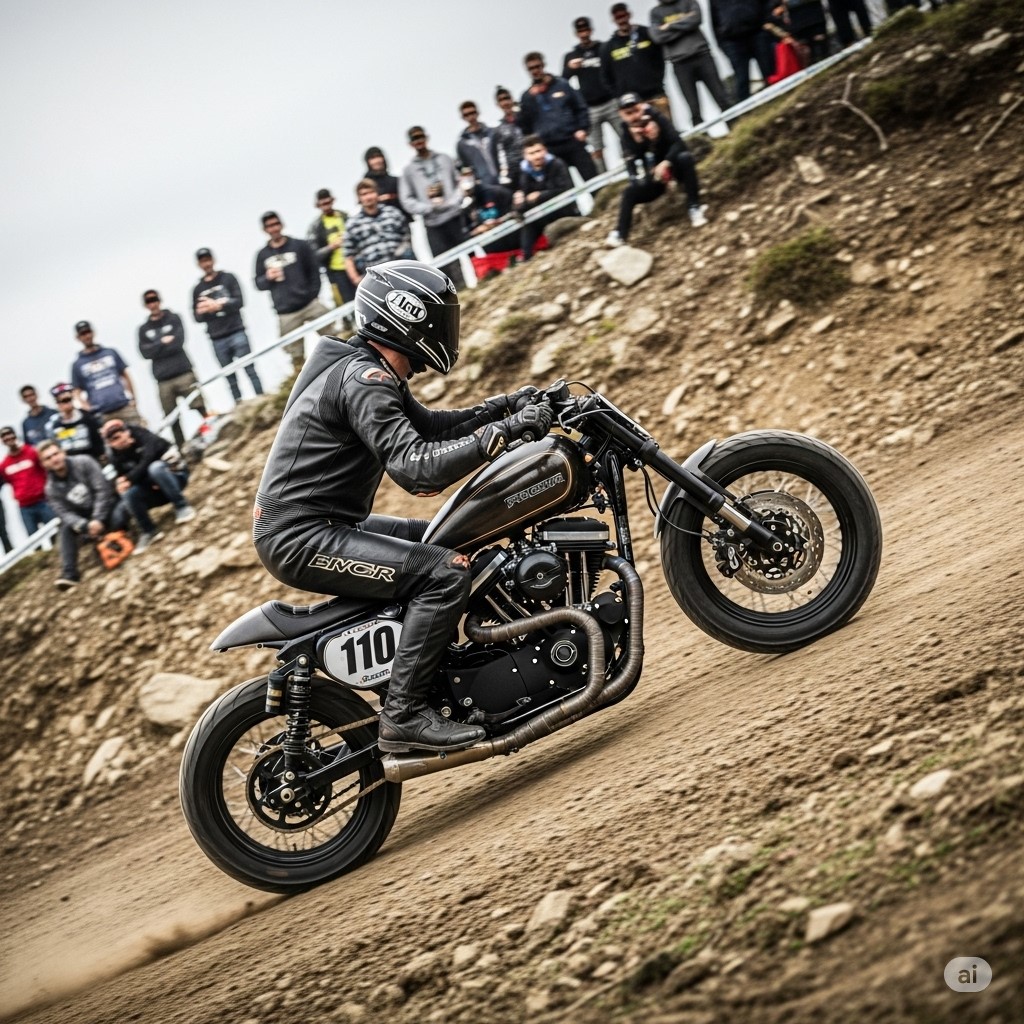
Motorcycle Hill Climbing: The Ultimate Test of Skill and Power
Motorcycle Hill Climbing is one of the most exciting and extreme forms of motorsport in the world. The sport involves riders racing their modified motorcycles up steep hills, often with inclines that challenge both man and machine. Motorcycle Hill Climbing has thrilled fans for over a century. With powerful engines, daring stunts, and dramatic terrain, this sport is pure adrenaline. In recent years, interest has grown globally. Motorcycle Hill Climbing is not just a spectacle; it’s a culture, a challenge, and a lifestyle.
The Origins and History of Motorcycle Hill Climbing
The roots of Motorcycle Hill Climbing go back to the early 1900s in the United States. As motorcycles became more popular, riders began testing their machines on the toughest terrain they could find—hills. This spontaneous act quickly evolved into organized competitions.
The first recorded hill climb event took place in 1903 in California. Riders brought their street bikes, which were often stripped of unnecessary parts to make them lighter. Over time, the motorcycles were modified with extended swingarms and specialized tires to better grip the dirt.
By the 1920s and 1930s, Motorcycle Hill Climbing had become a mainstream motorsport. Events were held throughout the country, often drawing large crowds. Riders like Joe Petrali and “Smoky” Joe Wood became household names. These pioneers inspired generations of riders.
After a brief decline during World War II, the sport made a strong comeback in the 1950s. Advances in motorcycle technology brought more power and better handling. These changes made climbs more dramatic and competitive.
Today, Motorcycle Hill Climbing remains rooted in its history while embracing modern innovations. Events often feature bikes with over 1000cc engines and customized frames. These machines can climb nearly vertical walls of dirt, gravel, or rock.
Global Popularity and Reach
Though the sport began in the United States, it has gained traction worldwide. In Europe, particularly in France, Germany, and Austria, Motorcycle Hill Climbing has developed a passionate following. The terrain in these countries, with its mix of alpine slopes and rolling countryside, offers ideal settings.
In South America, Brazil and Argentina host major hill climb events. These competitions attract both local and international riders. The lush landscapes and enthusiastic fans create a vibrant atmosphere.
Australia has also embraced Motorcycle Hill Climbing. Riders from the outback towns to the coasts compete in events that showcase rugged terrain and fierce competition. The Australian Off Road Championship often includes hill climbing sections.
Asia has seen growing interest in recent years. Countries like Japan and India now have small but growing hill climb scenes. Riders use both traditional motorcycles and locally modified machines to tackle steep hills.
In North America, the sport continues to thrive. The American Hill Climb Association (AHCA) and other regional bodies host numerous events each year. From California to Pennsylvania, riders compete in iconic locations like Devil’s Staircase and Freemansburg.
Social media and streaming platforms have helped expand the sport’s reach. Fans from all over the world can now watch live events and rider highlights. This digital presence has created a new wave of enthusiasts.
Amateur Hill Climbing: Youth and School Programs
Amateur Motorcycle Hill Climbing forms the foundation of the sport. Many professional riders started their careers in youth leagues and community events. Local clubs and grassroots organizations play a key role in nurturing talent.
In the United States, youth programs begin as early as age six. These young riders use scaled-down motorcycles and climb smaller hills. Safety is a top priority. Riders wear full protective gear, and courses are designed with age-appropriate difficulty.
Schools and local governments in rural areas sometimes sponsor hill climbing events. These programs teach discipline, mechanical skills, and physical fitness. Riders learn not just to compete, but to maintain and understand their machines.
In Europe, particularly in France and Germany, youth hill climb programs are tied to motorcycle training schools. These institutions offer weekend programs and summer camps. Riders get hands-on experience with coaching from former professionals.
In Brazil and Argentina, family-run hill climbing clubs offer a gateway into the sport. Generations of riders often compete in the same events. This creates a strong sense of community.
Amateur events often include multiple categories based on age, experience, and bike type. This system ensures fair competition and promotes progression. Riders can move up the ranks as their skills improve.
These grassroots programs are essential for the sport’s sustainability. They provide a pipeline of talent and instill a lifelong love of Motorcycle Hill Climbing.
Professional Leagues and Competitions
Several professional leagues now govern Motorcycle Hill Climbing globally. These organizations host events, set rules, and support rider development.
In the United States, the AMA Pro Hillclimb series is the premier league. It features some of the most talented and fearless riders in the world. Events are held on steep, technical hills with massive jumps and challenging obstacles.
The American Hill Climb Association (AHCA) also organizes national events. Venues like the Devil’s Staircase in Ohio and Freemansburg in Pennsylvania are legendary. These locations have become iconic due to their difficulty and history.
Europe’s top series include the German Hill Climb Championship and the French Moto Hill Climb Series. These competitions often feature both motocross and hill climb hybrid events. The European riders bring a unique style, often incorporating precision and finesse.
In South America, the Campeonato Argentino de Hill Climb is gaining momentum. This league has attracted sponsorships and media coverage, raising the sport’s profile.
Australia hosts the National Hill Climb Championship, which includes both motorcycles and off-road vehicles. This event is known for its scenic yet brutal terrain.
Professional riders often spend months training and modifying their bikes. Custom suspension, turbocharged engines, and lightweight frames are common. Each bike is tailored to the specific demands of different hills.
Prize money, sponsorship deals, and media exposure have turned hill climbing into a viable career. Riders travel internationally, gaining fans and competing for titles.
Political and Social Significance
Motorcycle Hill Climbing is more than a sport; it has cultural and social impacts. In many rural areas, it serves as a major community event. Families, vendors, and fans gather to celebrate and compete.
The sport supports local economies. Events attract thousands of spectators, filling hotels, restaurants, and shops. Small towns often depend on these weekends to boost tourism.
Hill climbing also promotes STEM education. Riders and teams must understand physics, engineering, and mechanics. Schools and clubs use the sport to teach practical science.
Socially, Motorcycle Hill Climbing fosters inclusion and diversity. Both men and women compete, and riders come from various backgrounds. The sport breaks down barriers and brings people together.
Politically, land use has been a key issue. Access to hills often involves negotiations with local governments and environmental agencies. Organizations like the AMA advocate for responsible land use and environmental stewardship.
The sport also raises awareness about trail conservation and off-road rights. Riders often participate in cleanup efforts and donate to land preservation.
Motorcycle Hill Climbing has even influenced legislation. Safety regulations, noise ordinances, and environmental impact assessments have evolved in response to the sport’s growth.
In developing countries, the sport offers a path to economic opportunity. Young riders can gain sponsorships and recognition. This has transformed lives and uplifted communities.
Rules and Regulations of Motorcycle Hill Climbing
While the sport appears chaotic, strict rules govern every event. These rules ensure safety, fairness, and competition integrity.
Courses are divided into sections, each with increasing difficulty. Riders must climb the entire hill within a set time limit. Points are awarded based on distance if the rider fails to reach the top.
Each rider gets one or two attempts, depending on the competition format. The best attempt counts toward their final score.
Classes are based on engine size, bike type, and rider experience. This system allows different skill levels and machines to compete fairly.
Protective gear is mandatory. Riders must wear helmets, boots, gloves, and body armor. Bikes are inspected before events to ensure compliance with safety standards.
Hill conditions are carefully monitored. Officials check for hazards like loose rocks, mud, or debris. Events may be delayed or canceled for weather concerns.
Unsportsmanlike conduct leads to penalties or disqualification. This includes tampering with competitors’ bikes or violating course boundaries.
Officials record each run using cameras and measurement tools. This ensures transparency and allows for video reviews in case of disputes.
Spectator areas are clearly marked for safety. Barriers, signs, and marshals keep fans at a safe distance from the action.
Drug testing and technical inspections are common in professional leagues. These measures uphold the integrity of the sport.
The Future of Motorcycle Hill Climbing
Motorcycle Hill Climbing is evolving. Electric motorcycles are entering the sport, offering quiet, powerful alternatives. These bikes produce instant torque, ideal for steep climbs.
Technology is enhancing the fan experience. Drones, live streams, and onboard cameras bring fans closer to the action. Social media platforms allow instant updates and rider interaction.
Environmental concerns are shaping course design. Organizers focus on minimizing ecological impact while maintaining challenge and excitement.
Training programs are becoming more sophisticated. Virtual reality, telemetry, and biomechanical analysis help riders improve performance.
The sport’s global community continues to grow. International competitions, partnerships, and rider exchanges foster a shared passion. These connections ensure that Motorcycle Hill Climbing remains vibrant and inclusive.
In conclusion, Motorcycle Hill Climbing is a dynamic and demanding sport. Its rich history, global reach, and passionate community make it truly unique. As the sport adapts to modern times, it continues to inspire thrill-seekers and unite fans around the world.