
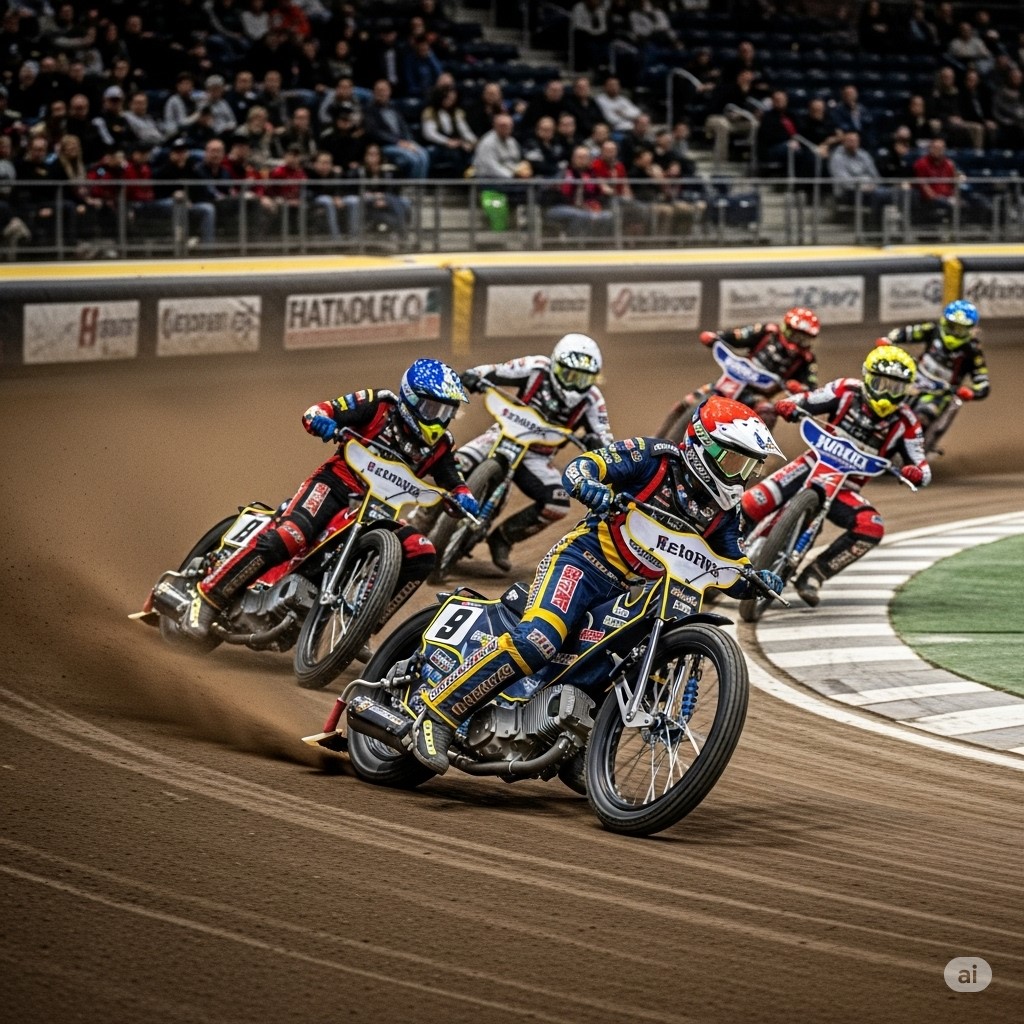
Motorcycle Indoor Short Track Racing: A Thrilling Sport with Rich History and Global Appeal
Motorcycle Indoor Short Track Racing is a high-octane sport that draws fans from all over the world. With its roots deeply embedded in motorsport culture, this exciting discipline has evolved significantly over time. The sport offers a unique blend of skill, speed, and strategy, making it a favorite for both participants and spectators. In this blog post, we will dive into the origins and history of Motorcycle Indoor Short Track Racing, explore its popularity across the globe, discuss how it is played at amateur levels, and review professional leagues associated with the sport. Additionally, we will touch on the political and social significance of the sport and break down the rules governing its practice.
The Origins and History of Motorcycle Indoor Short Track Racing
Motorcycle Indoor Short Track Racing traces its origins back to the early 20th century. The sport was born out of the need for motorcycle riders to practice during the winter months, when outdoor racing venues were often too cold or dangerous to use. Early iterations of the sport took place on indoor tracks, usually set up in arenas, where riders could continue to hone their skills in a controlled environment.
One of the earliest recorded instances of indoor motorcycle racing took place in the 1930s. However, it was during the 1940s and 1950s that the sport began to gain traction. Motorcycle manufacturers and race organizers began to realize the potential of indoor short track racing as a way to showcase not only the durability and agility of motorcycles but also the skill and bravery of the riders.
By the 1970s, Motorcycle Indoor Short Track Racing had found a foothold in the United States, where it became especially popular in urban areas with limited outdoor space. Indoor racing provides a thrilling spectacle, and it continues to grow by the increasing popularity of motorcycle culture and the rise of dirt track racing.
Over the decades, the sport has undergone various technical advancements, with modern motorcycles designed specifically for indoor short track events. The tracks themselves have evolved, too, with larger and more sophisticated setups providing a more exciting experience for both competitors and fans.
Global Popularity of Motorcycle Indoor Short Track Racing
Motorcycle Indoor Short Track Racing enjoys widespread popularity, not just in the United States, but also in many parts of the world. The sport has a unique ability to transcend borders, drawing fans and riders from diverse cultures and regions.
In Europe, particularly in countries like France, Italy, and the United Kingdom, the sport has a rich tradition. Indoor short track racing events take place in major arenas, drawing large crowds and attracting top-tier riders. In Italy, for example, indoor motorcycle racing has been part of the motorsport landscape for decades, with some of the world’s top riders emerging from the country.
In Asia, countries such as Japan and India have embraced Motorcycle Indoor Short Track Racing. Japan is famous for its deep connection to motorcycle culture, and short track racing is no exception. Indian fans have recently taken an interest in the sport, and there has been a surge in the number of amateur racers and organized competitions across the country.
South America also plays a significant role in the sport’s popularity. In countries like Brazil and Argentina, short track racing is growing steadily, with an increasing number of local leagues and national events.
While the sport is more popular in some regions than others, its global presence is undeniable. Whether it’s a major league event in an indoor arena or a grassroots competition in a small town, Motorcycle Indoor Short Track Racing brings together people from all walks of life who share a passion for speed, competition, and adrenaline.
Amateur Motorcycle Indoor Short Track Racing: Youth and Schools
While professional leagues garner much of the attention, amateur Motorcycle Indoor Short Track Racing plays a vital role in the development of the sport. Youth programs and school competitions are key to growing the sport at the grassroots level.
In many countries, local racing clubs and organizations run youth programs that allow young riders to develop their skills. These programs are often the first step for many aspiring racers. The emphasis is on safety, education, and technique, ensuring that the future of the sport remains strong and sustainable.
In the United States, the American Motorcyclist Association (AMA) runs several youth competitions, including indoor short track races, where young riders can compete at local and national levels. These competitions help young racers build the experience and confidence they need to eventually make the jump to professional racing.
In Europe, the popularity of youth indoor short track racing has also surged in recent years. Countries such as Sweden, the Netherlands, and the UK have established strong youth leagues, and it’s not uncommon to see young riders competing in events that feature some of the world’s best professional racers. The focus in these programs is on skill development, physical conditioning, and the cultivation of a competitive spirit.
School-based competitions are another important aspect of amateur short track racing. In countries like the United States and the UK, high school and college teams are actively involved in the sport. These institutions often serve as breeding grounds for future professional riders, offering young athletes the chance to compete at a high level while still pursuing their education.
Professional Leagues in Motorcycle Indoor Short Track Racing
Professional Motorcycle Indoor Short Track Racing is an intense and competitive field. Several major leagues and championships operate globally, offering riders the chance to prove themselves on a national and international stage.
One of the most notable organizations is the AMA (American Motorcyclist Association) in the United States. The AMA oversees a variety of indoor short track events, including both amateur and professional races. Its flagship event is the AMA Indoor Short Track Championship, which attracts top-tier talent from all over the world. This event is a major highlight of the racing calendar, and riders compete for prestigious titles and cash prizes.
In Europe, the FIM (Fédération Internationale de Motocyclisme) oversees the European Indoor Short Track Championship. This competition draws riders from across the continent, providing a platform for the best racers to showcase their talents. The FIM’s involvement in indoor short track racing has helped elevate the sport’s status on the global stage.
The International Indoor Motorcycle Racing League (IIMRL) is another key player in the world of professional indoor short track racing. The IIMRL runs a series of international events, including both individual races and team-based competitions. Riders from countries all over the world compete for points and prizes, making the IIMRL one of the most prestigious leagues in the sport.
Additionally, several regional leagues in countries such as Japan, Brazil, and Italy have helped foster the growth of professional indoor short track racing. These leagues provide opportunities for local talent to break into the international scene, often serving as stepping stones for riders who eventually compete in global championships.
The Political and Social Significance of Motorcycle Indoor Short Track Racing
Motorcycle Indoor Short Track Racing holds a special place in the political and social fabric of many nations. In some countries, the sport is seen as a symbol of national pride, as riders represent their country on the world stage. For example, during international competitions like the FIM European Indoor Championship, riders often compete not just for themselves, but for the honor of their nation.
Socially, the sport fosters a sense of community. Fans of Motorcycle Indoor Short Track Racing often come together, forming tight-knit groups that support their favorite riders. The camaraderie between fans and racers creates a unique atmosphere that transcends the competition itself. In many countries, the sport is also seen as a means of promoting youth development, with racing clubs offering mentoring programs and scholarship opportunities for young riders.
On a broader scale, the sport has sometimes been used as a vehicle for promoting important social causes, including road safety, environmental awareness, and the preservation of local racing venues. Various organizations, including the AMA, have used the platform of Motorcycle Indoor Short Track Racing to raise awareness about motorcycle safety and to advocate for better infrastructure for racers.
Rules of Motorcycle Indoor Short Track Racing
Motorcycle Indoor Short Track Racing has a set of well-defined rules to ensure fair competition and rider safety. Here’s an overview of the key regulations:
- Motorcycles: The motorcycles used in indoor short track racing are lightweight, single-cylinder machines. These bikes are specifically designed for short tracks, featuring knobby tires for better grip on dirt or artificial surfaces.
- Track Size: Indoor short track races typically take place on oval-shaped tracks that range from 150 to 300 meters in length. The track’s surface can vary, but it’s usually dirt or a synthetic material designed to provide maximum traction.
- Race Format: Races usually consist of several laps, with heats determining the starting positions for the final race. The number of laps varies depending on the event, but most races range from 12 to 25 laps.
- Start Procedure: The races begin with a standing start, where riders line up on the starting grid and race off when the green flag is waved.
- Scoring: Riders accumulate points based on their finishing position in each heat. The rider with the most points at the end of the event is declared the winner.
- Safety Equipment: Riders are required to wear full protective gear, including helmets, gloves, boots, and padded suits. A neck brace is also mandatory in some events.
- Penalties: Riders who violate track rules, such as jumping the start or engaging in dangerous riding, may face penalties, including time deductions or disqualification.
Conclusion
Motorcycle Indoor Short Track Racing is a dynamic and thrilling sport that has garnered a global following. Its origins in the early 20th century paved the way for a unique discipline that continues to evolve and attract new fans. The sport’s popularity is widespread, with significant participation at both amateur and professional levels. From youth leagues to international championships, Motorcycle Indoor Short Track Racing offers opportunities for riders of all ages and skill levels. As the sport continues to grow, it will no doubt remain a fixture in the motorsport world for years to come.