
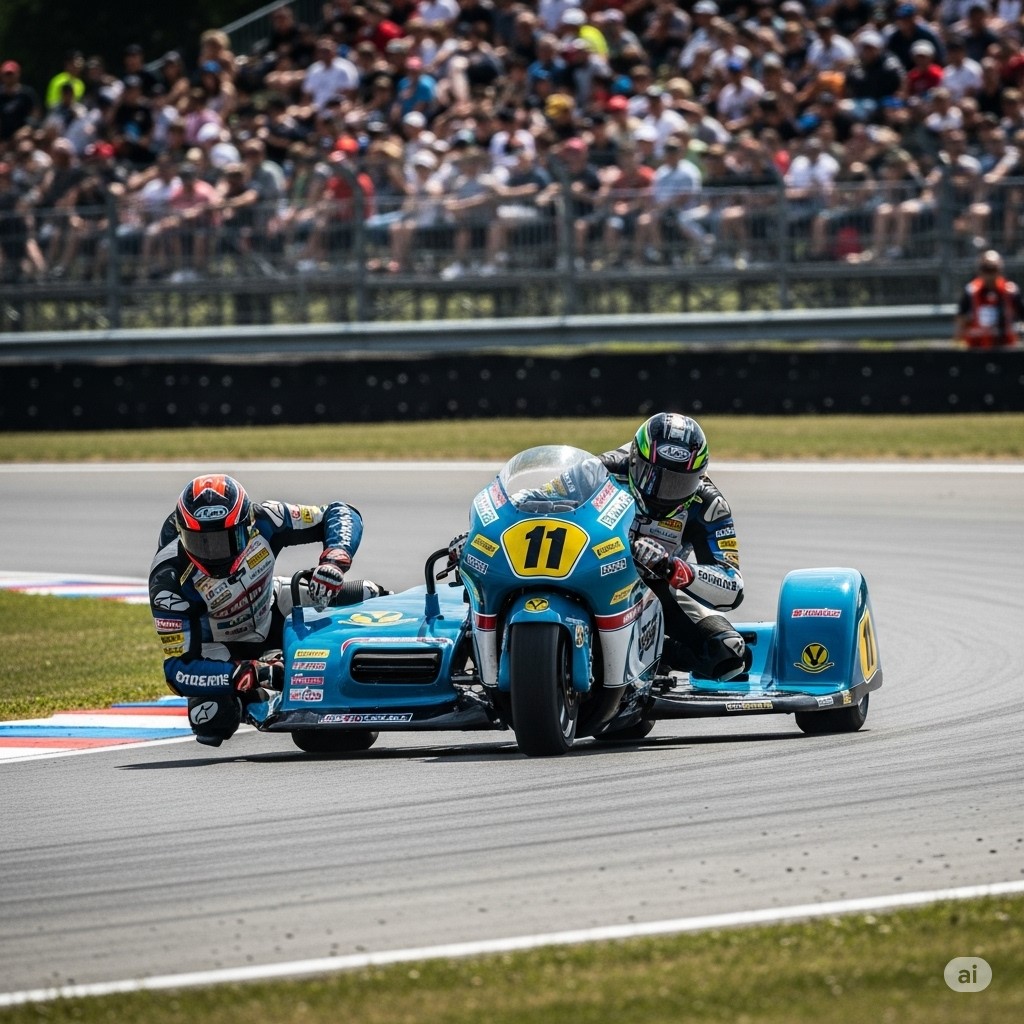
Motorcycle Superside Racing: A Thrilling World of Speed, Precision, and Skill
Motorcycle Superside Racing is an exciting motorsport that has captured the attention of fans around the world. It combines speed, teamwork, and skill in a way that few other sports can match. The sport’s unique appeal lies in the collaboration between the rider and the passenger, both working in sync to achieve victory. Though not as widely known as MotoGP or Formula 1, Motorcycle Superside Racing continues to grow in popularity. This post will explore the sport’s origins, global reach, amateur play, professional leagues, and political and social significance.
The Origins and History of Motorcycle Superside Racing
Motorcycle Superside Racing has roots in sidecar racing, a sport that emerged in the early 20th century. In the 1920s, motorcycle enthusiasts began attaching sidecars to their bikes. This allowed for two-person teams, with one riding the bike and the other serving as the passenger. Early races were informal, often taking place on roads or racetracks with minimal barriers. As the sport grew, it gained organization and became more competitive.
By the 1980s, the sport began to evolve into the version we recognize today. The term “Motorcycle Superside Racing” came to describe races where teams of two competed on specially designed motorcycles with sidecars. The passenger plays a crucial role by shifting their weight, helping balance the vehicle, and ensuring control at high speeds.
The sport gradually gained more fans, with better safety features and improved race conditions. What began as a niche activity became a popular motorsport with international appeal.
The Global Popularity of Motorcycle Superside Racing
Motorcycle Superside Racing has enjoyed a steady rise in popularity, especially in Europe. Countries like Germany, the UK, and the Netherlands are the heart of the sport. In these regions, races attract large crowds, and the competition between teams is fierce. Riders and fans alike have embraced the sport for its unique challenges and team-based nature.
Although the sport’s roots are in Europe, it has started to spread to other parts of the world. Japan, Australia, and even the U.S. have seen a growing interest in sidecar racing. The U.S., in particular, has hosted numerous amateur and professional races. Though it’s still smaller than more mainstream motorsports, interest in sidecar racing is clearly on the rise. Many spectators are drawn to the sport’s unpredictable nature and the close teamwork between riders.
Amateur Motorcycle Superside Racing: How It’s Played Around the World
At the amateur level, Motorcycle Superside Racing is thriving. Youth leagues and local clubs play a vital role in nurturing new talent. In countries like Germany and the UK, kids as young as 12 begin learning the fundamentals of sidecar racing. These programs teach them not only the technical skills but also the importance of teamwork. Riders learn to balance, control, and maneuver a sidecar motorcycle while the passenger synchronizes their movements.
In addition to local clubs, there are specialized schools dedicated to sidecar racing. These schools provide intensive training, allowing aspiring racers to gain experience before entering professional leagues. Many racers start by competing in regional competitions, where they can improve their skills and advance to higher levels.
One key factor in the sport’s growth is the relatively low entry barrier. Sidecar motorcycles cost less than other racing machines, making it easier for amateur riders to get involved. The sport is accessible to a wide range of participants, ensuring a steady influx of new talent.
Professional Motorcycle Superside Racing Leagues Globally
At the professional level, Motorcycle Superside Racing reaches an intense level of competition. Several international leagues are recognized for their high standards and fierce rivalries. The FIM Sidecar World Championship is one of the most prestigious events in the sport. Established in 1949, it remains the premier championship for sidecar racing. Teams from around the world compete in this series, which spans multiple countries, including Germany, the UK, and France.
Another major league is the European Sidecar Championship, which serves as a stepping stone to the World Championship. Many riders in this league aspire to join the FIM series, and it offers a highly competitive environment.
National championships are also held in countries with a strong motorsport culture. In the UK, the British Sidecar Championship attracts top talent, with fierce competition across the season. Riders from different countries often join these events, further increasing the sport’s international presence.
In these professional leagues, the level of competition is extreme. Teams invest heavily in their machines, and only the best riders make it to the top. Each race is a test of skill, precision, and strategy. The cooperation between the rider and the passenger is crucial to their success. This intense collaboration between two people on a single machine makes Motorcycle Superside Racing unique in the world of motorsports.
The Political and Social Significance of Motorcycle Superside Racing
Motorcycle Superside Racing, while not as politically prominent as other sports, holds significance in certain regions. In countries like Germany and France, the sport is a source of national pride. When local teams succeed on the world stage, it becomes a point of national celebration. The sport helps foster a sense of unity and pride among fans and participants.
Socially, sidecar racing has been used to promote awareness for causes such as road safety and environmental issues. Some teams use their platform to advocate for these topics, raising funds and spreading important messages. This helps the sport connect with a broader audience beyond just racing enthusiasts.
Moreover, sidecar racing provides an outlet for international cooperation. With races hosted in different countries, the sport has helped build connections between nations. Fans from diverse backgrounds come together to enjoy the thrill of the races, regardless of their nationality. This cross-cultural exchange is one of the sport’s most positive aspects, fostering unity through a shared passion.
Rules of Motorcycle Superside Racing
Motorcycle Superside Racing has a strict set of rules to ensure safety and fair play. These rules are primarily governed by the International Motorcycling Federation (FIM). Here are the key regulations that shape the sport:
- Race Format: Races consist of several laps around a closed track. The winner is the team that finishes the laps in the shortest time. The number of laps varies depending on the race.
- Teams: Each team consists of two people—one rider and one passenger. The rider controls the motorcycle, while the passenger assists with balance by shifting their weight.
- Machines: The motorcycles for Motorcycle Superside Racing are specially designed. They are lightweight for speed but built to withstand the high forces experienced during the race.
- Safety Gear: Both the rider and the passenger must wear full protective gear, including helmets, gloves, and racing leathers. The bikes are also equipped with safety features, such as protective guards.
- Scoring: Points are awarded based on race position. The overall champion is determined by accumulating the most points throughout the season.
- Penalties: Teams can be penalized for violations such as dangerous riding or failure to meet technical standards. Penalties can include time additions or even disqualification.
Conclusion
Motorcycle Superside Racing is an exhilarating sport that has seen steady growth in popularity. Its unique combination of speed, skill, and teamwork sets it apart from other motorsports. From its origins in the 1920s to its current global reach, the sport continues to thrill fans and inspire new riders. With strong amateur programs and competitive professional leagues, the future of Motorcycle Superside Racing looks bright. Its political and social impact, though often subtle, continues to foster unity and promote important causes. As the sport evolves, its passionate community will ensure that Motorcycle Superside Racing remains a staple in the world of motorsports for years to come.