
Motorcycle Trial Racing: A Deep Dive into the Sport’s History, Popularity, Rules, and Global Reach
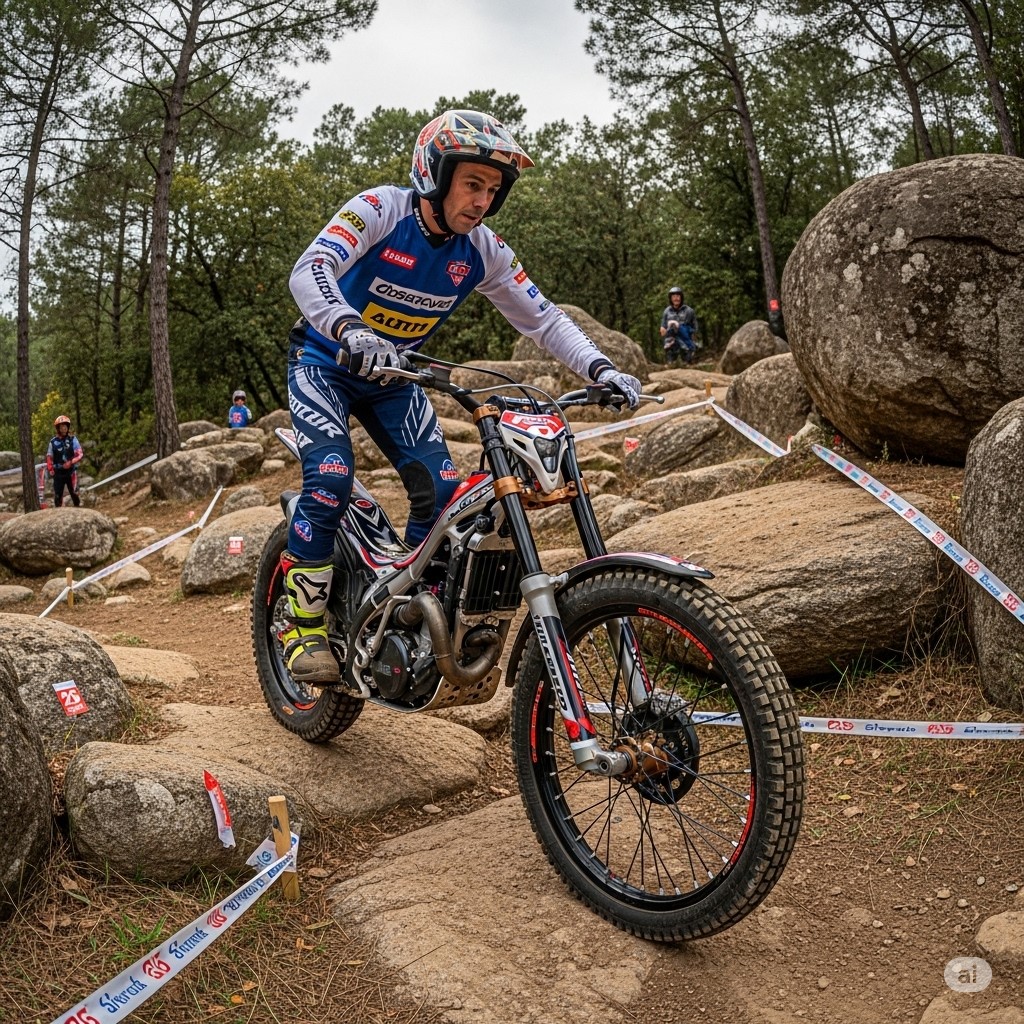
Motorcycle Trial Racing is a unique and thrilling motorsport that demands both physical and mental endurance. Unlike many other motorcycle sports, it isn’t about speed; it’s about precision, control, and technique. Riders navigate through obstacle courses, known as “sections,” that test their skill and ability to balance the bike over various challenging terrains. While it may not enjoy the same widespread popularity as road racing or motocross, Motorcycle Trial Racing has a rich history and continues to captivate enthusiasts worldwide. In this blog post, we will explore the sport’s origins, its global popularity, how it is played at the amateur and youth levels, the professional leagues involved, and the rules that govern this fascinating sport.
Origins and History of Motorcycle Trial Racing
Motorcycle Trial Racing traces its roots back to the early 20th century, originating in the United Kingdom. The sport developed as a form of competitive off-road riding that challenged riders to navigate their motorcycles over difficult terrains without touching the ground. The first recognized motorcycle trials event was held in 1909 in the UK, at a time when motorcycles were still relatively new inventions.
The term “trial” refers to the testing of a rider’s skill, as opposed to traditional races which are based on speed. The primary goal in a trial is to successfully complete an obstacle course without making mistakes or incurring penalties. This concept emerged as a way to showcase both rider and machine capability in a non-competitive manner. In its early years, trials were part of larger motorcycling events, and the courses varied greatly, from dirt tracks to rocky hillsides.
The early 1900s saw the development of the “Scottish Six Days Trial” (SSDT), one of the oldest and most prestigious events in the world. This event, held annually in Scotland, became the benchmark for motorcycle trial racing. The SSDT continues to be an important part of the sport today, attracting some of the best riders globally.
By the 1950s, Motorcycle Trial Racing had grown significantly, and international events began to emerge. The FIM (Fédération Internationale de Motocyclisme) established an official Motorcycle Trials World Championship in 1980, solidifying the sport’s status as a competitive, organized discipline on the global stage.
Popularity of Motorcycle Trial Racing Worldwide
Though Motorcycle Trial Racing may not rival the mainstream appeal of motocross or road racing, it has built a dedicated fanbase and established a presence worldwide. Countries like Spain, France, the UK, Italy, and Japan are home to some of the most passionate fans of the sport. Spain, in particular, has been a dominant force in recent decades. Spanish riders such as Toni Bou and Marc Colomer have consistently triumphed in the FIM Trials World Championship, making Spain a global leader in the sport.
In Europe, the sport has flourished in various regions. The UK, as the birthplace of motorcycle trials, continues to host major events like the British Trials Championship and the SSDT. Similarly, France and Italy have become important centers for Motorcycle Trial Racing. The fan base in these regions is deeply ingrained in the motorcycling culture, and local events often draw large crowds.
Outside of Europe, Motorcycle Trial Racing has gained traction in countries like Japan and the United States. Japan has produced several successful riders, and the sport continues to grow in popularity, particularly among youth. In the United States, while the sport has not reached the same level of recognition as in Europe, it has a niche following, with competitive events such as the AMA National Trials Championship.
Overall, Motorcycle Trial Racing’s popularity may be smaller than some other forms of motorsport, but it remains an enduring and respected discipline with a global presence.
Motorcycle Trial Racing at the Amateur and Youth Levels
Motorcycle Trial Racing is one of the most accessible forms of motorsport, particularly for young riders. Its emphasis on skill and technique rather than speed makes it an ideal starting point for beginners. At the amateur level, riders of all ages compete in events, and many start at a young age. Various youth and school programs nurture the next generation of riders.
In countries like Spain and the UK, local clubs and organizations offer youth programs that teach the fundamentals of Motorcycle Trial Racing. Riders can start as young as four or five years old, progressing through different skill levels as they gain experience. The sport is typically organized into different age and skill categories, ensuring that young riders are given a fair chance to develop.
In addition to local clubs, national governing bodies like the FIM and local associations host championships and competitions that allow younger riders to showcase their abilities. In Spain, the “Campeonato de España de Trial” (Spanish Trials Championship) has a specific category for youth, giving rising stars the chance to compete on the national stage.
Schools dedicated to motorcycle trials also play an essential role in developing young talent. These schools focus on teaching the intricacies of balance, control, and technique in a safe environment. One of the most famous schools in the UK, the “Trial School,” offers professional training for beginners through advanced riders.
As the sport becomes more structured, Motorcycle Trial Racing offers a pathway for young riders to transition from local competitions to national and international events. Many top riders began their careers in school-level competitions, gradually working their way up to the professional ranks.
Professional Leagues and Competitions
Motorcycle Trial Racing features several high-level leagues and competitions, where the best riders compete for world titles and recognition. The most prestigious event in the sport is the FIM Trials World Championship, a series of events held annually in different countries. The championship is divided into two main categories: the “World Championship” and the “Junior World Championship.”
The FIM Trials World Championship consists of multiple rounds held across the globe, from Europe to Japan. The riders accumulate points with their performance in each round, and the rider with the most points at the end of the season is the World Champion. The competition is fierce, with top riders like Toni Bou, Adam Raga, and Jeroni Fajardo competing for the title year after year.
In addition to the FIM Trials World Championship, there are also numerous regional and national championships. These events offer local and regional riders an opportunity to compete at a high level. Countries like Spain, the UK, and Italy all host national trials championships, which serve as both competitive outlets and stepping stones for riders aiming for international success.
The “Scottish Six Days Trial” remains one of the most important and oldest professional events in Motorcycle Trial Racing. Held annually in Scotland, the event features a grueling six-day competition that challenges riders with some of the toughest terrain and conditions in the sport. While the SSDT is a one-off event, it holds a special place in the history and culture of Motorcycle Trial Racing.
The Political and Social Significance of Motorcycle Trial Racing
Motorcycle Trial Racing may not receive the same political attention as other mainstream motorsports, but it has significant local and regional importance. In countries with a rich history in motorcycle sport, like the UK, Spain, and France, the sport contributes to the local economy and tourism industry. Major events attract visitors from around the world, benefiting local businesses and generating media coverage.
Moreover, the sport holds social significance in areas where it has become a community event. Local trials competitions often draw large crowds, fostering a sense of community and camaraderie among riders, fans, and event organizers. In regions with a deep-rooted passion for the sport, it is not uncommon for families to pass down the tradition of motorcycle trials to the next generation.
On a global scale, Motorcycle Trial Racing helps promote environmental awareness and sustainable outdoor recreation. Many competitions take place in natural environments. This requires careful planning and respect for the land. The sport’s emphasis on skill and technique over raw power often makes it a more eco-friendly alternative to other forms of motorsport, as riders rely on finesse rather than speed.
Rules of Motorcycle Trial Racing
Understanding the rules of Motorcycle Trial Racing is essential to appreciating the intricacies of the sport. Unlike traditional races, where the objective is to reach the finish line first, Motorcycle Trial Racing is all about avoiding mistakes. Riders navigate through designated sections, which may include obstacles like rocks, logs, water, and steep inclines.
The primary goal in Motorcycle Trial Racing is to complete each section without putting a foot down or making other mistakes. A rider’s foot touching the ground results in a one-point penalty, while other mistakes, such as losing balance or falling off the bike, may result in additional penalties. The rider with the fewest penalties at the end of the event is the winner.
Sections are typically marked with flags or other indicators, and riders must navigate them in a specific order. In professional events, the difficulty of the sections increases as the competition progresses, testing both the rider’s skill and endurance. Riders must complete a set number of sections in a day, and each section is timed. However, time is generally not the deciding factor; it is the rider’s ability to avoid penalties that ultimately matters.
In major competitions, such as the FIM Trials World Championship, strict rules govern everything from the types of motorcycles that can be used to how many riders can compete in each event. Motorcycle Trial Racing bikes are specifically designed for balance and maneuverability, with features such as low weight and high torque to help riders overcome obstacles.
Conclusion
Motorcycle Trial Racing may not be the most popular motorsport, but it is undoubtedly one of the most skillful and technically demanding. From its humble beginnings in the UK to its current status as a global sport, Motorcycle Trial Racing has developed a rich history and a passionate following. Whether at the amateur, youth, or professional level, the sport continues to thrive across continents, attracting riders and fans alike. With its emphasis on precision and control, Motorcycle Trial Racing remains a testament to the power of skill over speed.