
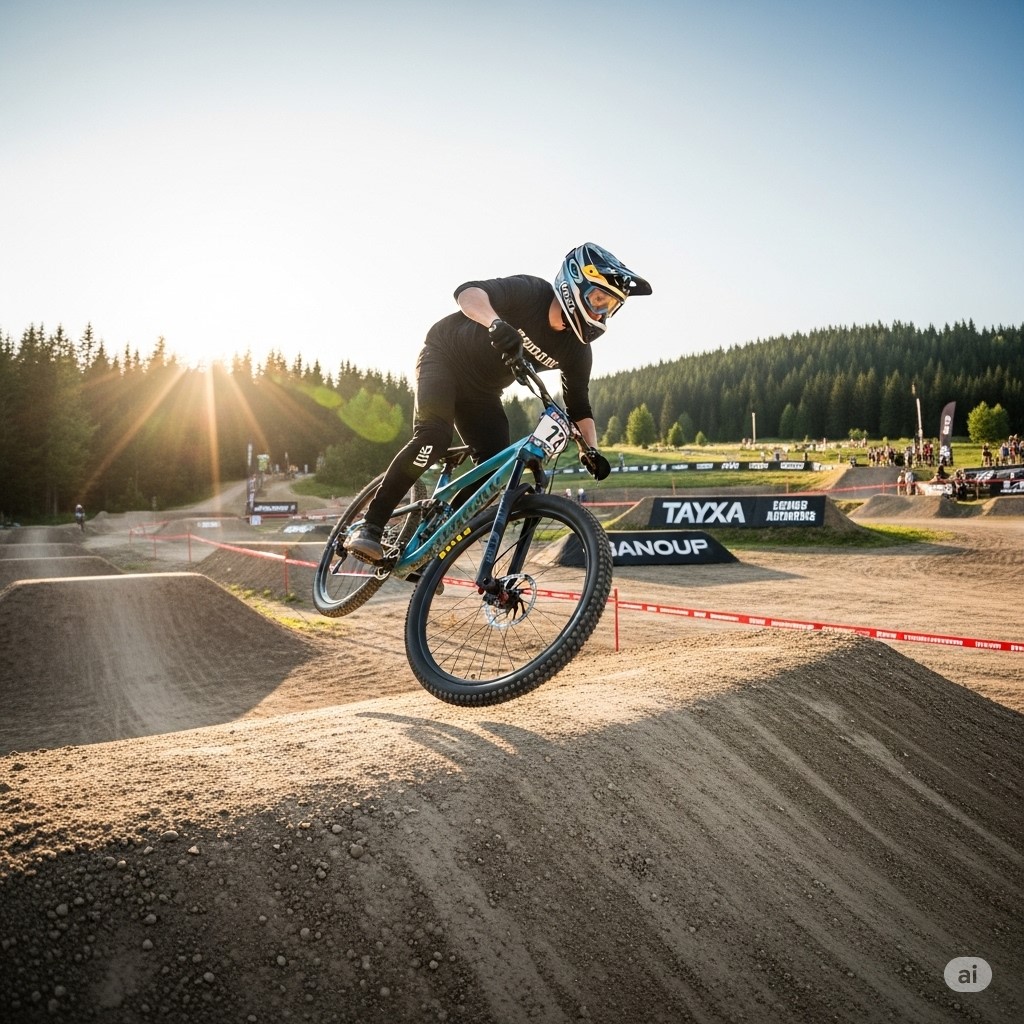
Mountain Bike Slopestyle: A Thrilling Fusion of Athleticism and Art
Mountain Bike Slopestyle is one of the most exhilarating and visually stunning sports on the planet. Combining technical skill, creative expression, and gravity-defying tricks, it captures the imagination of riders and fans alike. With deep roots in the world of mountain biking and the action sports community, Mountain Bike Slopestyle has evolved into a competitive and cultural force. This blog post explores the origin, global popularity, amateur and professional levels, social impact, and detailed rules of this thrilling sport.
The Origin and History of Mountain Bike Slopestyle
Mountain Bike Slopestyle emerged in the early 2000s as a natural evolution of freeride mountain biking. Riders sought to push the limits of what could be done on two wheels. They moved from trails and downhill races to purpose-built courses featuring jumps, drops, and technical features.
The sport took inspiration from BMX dirt jumping and skateboarding. Riders adapted tricks from these sports to the larger, more robust mountain bikes. British Columbia, Canada, is often credited as the birthplace of slopestyle. There, the lush terrain and active biking community nurtured early innovation.
Events like the Red Bull Rampage and Crankworx played a pivotal role in the sport’s development. Crankworx Whistler, in particular, became the unofficial world championship of Mountain Bike Slopestyle. Each year, it drew the best riders from around the globe to compete and showcase their talent.
Over the years, bikes, techniques, and courses became more advanced. Courses began to feature massive wooden features, gap jumps, wall rides, and intricate lines. As the sport matured, it gained structure and began to attract sponsors, media attention, and a dedicated fan base.
Global Popularity of Mountain Bike Slopestyle
Mountain Bike Slopestyle has experienced tremendous global growth over the last two decades. Although it started in North America, it quickly spread to Europe, Australia, and parts of Asia. Riders from countries like Sweden, Germany, New Zealand, and France have become household names in the biking world.
Crankworx World Tour, which includes events in Austria, New Zealand, and Canada, has helped the sport reach international audiences. The tour brings together elite athletes and massive crowds, making each event a celebration of biking culture.
Social media has also played a vital role in spreading the sport. Platforms like YouTube, Instagram, and TikTok allow riders to share clips and build followings. This exposure has drawn new fans and helped riders turn professional.
In Europe, countries such as Poland and the Czech Republic have developed thriving local scenes. National competitions and youth programs are becoming more common. Australia and New Zealand, with their outdoor-focused lifestyles, have embraced slopestyle as well. Even in Japan and South Korea, interest is rising steadily.
Major sponsors like Red Bull, GoPro, and Trek have boosted the sport’s profile. With stunning visuals and high entertainment value, Mountain Bike Slopestyle continues to grow on the global stage.
Amateur and Youth Participation Worldwide
Amateur Mountain Bike Slopestyle is thriving. Bike parks and slopestyle courses are popping up in local communities across the globe. These facilities allow youth and amateurs to learn skills in a safe environment.
In North America and Europe, many schools have introduced mountain biking programs. These programs teach students basic skills, bike maintenance, and trail etiquette. Some even include slopestyle-specific instruction, helping kids learn to ride jumps and features.
Youth competitions are increasingly common. Events like the Little Shredders series in Canada or the FMB World Tour amateur categories give young riders a chance to shine. These events are often community-driven and emphasize fun and growth over pure competition.
Bike camps are another entry point for youth. Programs like the Whistler Summer Gravity Camp offer coaching from professional riders. Kids gain confidence, learn new tricks, and get inspired by their mentors.
Across Asia and South America, slopestyle is gaining momentum. Grassroots organizations are building beginner-friendly courses and hosting local contests. These efforts make the sport more accessible and inclusive.
Support from non-profits and local governments is key. When cities invest in biking infrastructure, they create safe spaces for young people to engage in healthy, active lifestyles. As a result, more kids are getting into the sport every year.
Professional Leagues and Events Worldwide
The professional side of Mountain Bike Slopestyle is vibrant and well-organized. The Freeride Mountain Bike (FMB) World Tour is the premier global series. It categorizes events into Bronze, Silver, Gold, and Diamond levels. Points earned in these events determine world rankings.
Crankworx World Tour is the most prestigious platform. It includes stops in Rotorua, Innsbruck, and Whistler. Riders earn points and recognition by competing in these high-level contests.
Red Bull Rampage, although not strictly slopestyle, holds a special place in the community. It combines freeride and big mountain elements, pushing riders to the edge of what’s possible. Many slopestyle athletes participate in Rampage to showcase their versatility.
Fest Series is another key part of the pro landscape. This series focuses on style and creativity rather than competition. Riders build massive jumps and perform mind-blowing tricks, often in remote and beautiful locations.
Europe has its share of important events as well. The Dirtmasters Festival in Germany and Bike Festival Riva del Garda in Italy attract international talent. These events help foster the European scene and provide opportunities for up-and-coming riders.
Professional teams, often sponsored by bike brands, energy drinks, and outdoor gear companies, support riders. These teams offer salaries, equipment, and travel support. In return, riders produce content, compete, and represent the brand.
Live broadcasts and video coverage bring these events to a global audience. Fans can watch from anywhere, creating a connected and passionate community.
Political and Social Significance of the Sport
Mountain Bike Slopestyle holds more than just entertainment value. It plays a meaningful role in society and politics. Cities that invest in biking infrastructure show a commitment to active, sustainable lifestyles.
Urban bike parks and slopestyle courses can revitalize underused spaces. They provide youth with positive outlets and reduce crime in some neighborhoods. This turns action sports into tools for social change.
Environmental awareness is also a key theme. Many riders and events promote trail stewardship and eco-friendly practices. They advocate for conservation, responsible tourism, and protecting natural areas.
The sport also promotes mental and physical health. Riding requires focus, courage, and resilience. It builds confidence and a sense of accomplishment, especially among young people.
On the global stage, Mountain Bike Slopestyle showcases international unity. Riders from diverse backgrounds come together, transcending language and borders. Events become cultural exchanges, filled with mutual respect and admiration.
Gender equality is gaining attention as well. More female riders are entering the scene, and organizers are beginning to offer women’s categories in major events. Visibility and support for women in the sport continue to grow.
Community involvement is another key element. Local events often rely on volunteers, small businesses, and civic groups. These collaborations strengthen community ties and foster local pride.
Rules and Structure of Mountain Bike Slopestyle
While Mountain Bike Slopestyle emphasizes creativity, it still follows a defined set of rules in competitions. Riders are judged based on style, difficulty, amplitude, execution, and flow.
Each rider typically gets two runs through the course. The best score counts. Judges look for unique trick combinations, clean landings, and use of the entire course.
Points are deducted for crashes, incomplete tricks, or missed features. Consistency and originality often make the difference between winning and losing.
There are no time limits, but riders must maintain a fluid pace. Stopping or rolling through features without attempting a trick can reduce scores.
Riders wear helmets and protective gear. Many events require full-face helmets and back protection for safety.
Course design varies but includes jumps, drops, hips, berms, wall rides, and step-ups. Riders must adapt to the course and make strategic decisions.
Video submission events are also gaining popularity. Riders film runs at local parks and submit them for judging. This format opens doors for athletes who can’t travel to big events.
FMB rules standardize judging across events. This ensures fair competition and allows riders to build consistent rankings.
Conclusion
Mountain Bike Slopestyle stands as a thrilling, inclusive, and ever-evolving sport. From humble roots in Canadian forests to the global spotlight, it has become a beacon of creativity and athleticism. It thrives at every level, from youth programs to professional tours.
With a growing fan base, increasing investment, and expanding participation, the future of Mountain Bike Slopestyle looks brighter than ever. Its cultural, social, and environmental significance adds depth to the spectacle. Whether you’re a rider, a fan, or a newcomer, there’s something magnetic about this incredible sport.
So, next time you see a rider soar off a jump and twist mid-air with effortless style, remember—Mountain Bike Slopestyle is more than a sport. It’s a movement.