The Global Rise and Cultural Impact of Muay Thai
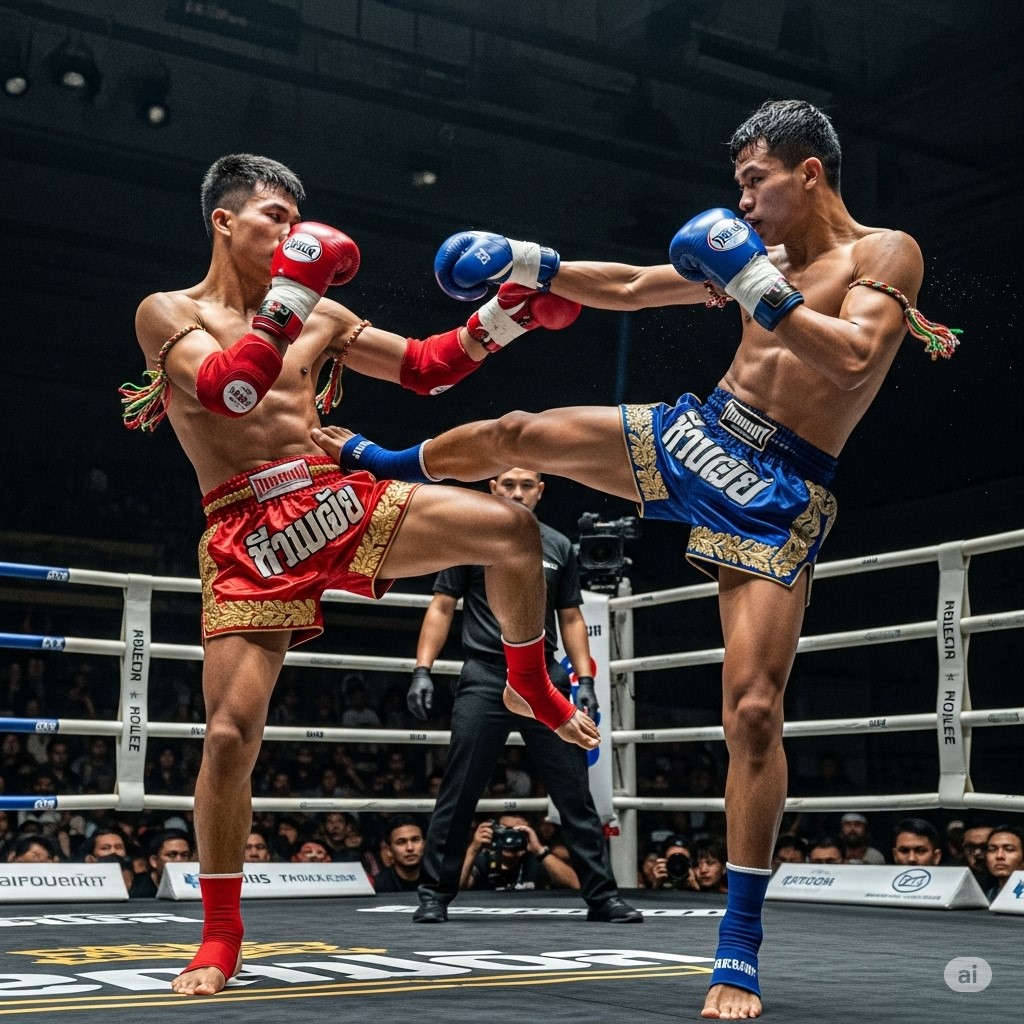
Muay Thai, often called the “Art of Eight Limbs,” is a powerful and deeply respected combat sport. Originating from Thailand, this martial art has captivated the interest of fighters and fans worldwide. Today, it serves not only as a sport but also as a cultural symbol, a tool for fitness, and a path to discipline. As the sport continues to grow, its history, influence, and rules deserve detailed exploration. In this blog post, Muay Thai will be discussed through its origins, global popularity, amateur structure, professional leagues, political and social significance, and the rules that define it.
Origins and History of Muay Thai
It has roots that stretch back several centuries. It developed from older forms of Thai martial arts like Muay Boran. These ancient techniques were used by Thai soldiers for self-defense in close-quarters combat.
During the 13th century, the Sukhothai Kingdom used it as part of military training. It evolved through the Ayutthaya period (1350–1767), where it gained royal patronage. Kings would train in Muay Thai to build strength and bravery.
In the 18th century, the legendary Nai Khanom Tom helped shape the sport’s identity. Captured by Burmese forces, he fought multiple opponents and impressed them with his skill. His story remains an essential part of Muay Thai folklore.
In the early 20th century, Muay Thai underwent modernization. The use of boxing gloves replaced traditional rope bindings (kard chuek). Rings were introduced, and time rounds became standard. These changes brought the sport closer to Western boxing standards.
Over time, it transitioned from battlefield survival to competitive sport. It retained its spiritual and cultural roots while adapting to modern expectations.
The Global Popularity of Muay Thai
It is no longer confined to Thailand. Today, the sport thrives on every continent. Thousands of gyms and training centers offer classes in cities worldwide.
In the United States, it has grown rapidly over the last two decades. It gained exposure through MMA promotions like the UFC. Fighters such as Anderson Silva and Valentina Shevchenko, who trained in Muay Thai, brought attention to the sport.
Europe also boasts a strong Muay Thai presence. Countries like the Netherlands, the United Kingdom, France, and Sweden host major events and training facilities. Dutch fighters have even combined it with kickboxing to create a hybrid style.
Australia, Brazil, and Japan also contribute to the sport’s global presence. Gyms like Tiger Muay Thai in Phuket attract international athletes. These gyms have become pilgrimage sites for fighters seeking top-tier training.
International federations, such as the International Federation of Muaythai Associations (IFMA), play a critical role. They host world championships and regulate standards, making the sport accessible and consistent globally.
Amateur Muay Thai Worldwide
Amateur Muay Thai serves as the foundation of the sport’s growth. It provides youth and newcomers with opportunities to learn and compete in a safe environment.
In Thailand, it begins early. Children often start training before age ten. Many rural areas view it as a path to financial stability. Fights are held at local festivals, and training camps serve as both homes and schools.
Outside Thailand, amateur Muay Thai programs are expanding. In the United States, organizations like the United States Muaythai Federation (USMF) work with schools and community centers. Youth programs teach discipline, fitness, and cultural appreciation.
In Europe, amateur competitions are tightly regulated. Fighters wear protective gear including headgear, elbow pads, and shin guards. Events like the IFMA Youth World Championships highlight the next generation of talent.
Asia sees strong youth development in countries like Japan and Malaysia. These nations include it in school physical education or extracurricular programs. Such exposure fosters interest and respect for the sport.
Social media and streaming platforms also aid amateur growth. Youth fighters now share their journeys online, building followings and encouraging others to join.
Professional Leagues and Promotions
Muay Thai boasts several professional organizations and promotions around the world. Each offers fighters a platform to compete at the highest level.
In Thailand, the most prestigious stadiums are Lumpinee Stadium and Rajadamnern Stadium in Bangkok. Winning titles in these venues represents the pinnacle of Muay Thai achievement. Fights here are often broadcast live across the country.
ONE Championship has elevated Muay Thai to a new level. Based in Singapore, this promotion hosts events across Asia. It showcases elite talent and integrates modern production values. ONE features champions like Rodtang Jitmuangnon and Stamp Fairtex, making them global stars.
In Europe, Enfusion and Glory Kickboxing include Muay Thai rulesets in many of their bouts. These organizations offer significant pay and international exposure. They also provide crossover opportunities with kickboxing and MMA.
Other notable promotions include Lion Fight in the U.S. and Max Muay Thai in Thailand. Both cater to a global audience and maintain traditional Muay Thai aesthetics.
These leagues contribute to professional development by offering contracts, sponsorships, and brand-building opportunities. As the sport continues to globalize, more promotions are expected to emerge.
Political and Social Significance
It holds a unique place in Thai culture. It symbolizes resilience, honor, and national identity. The sport serves not only as entertainment but also as a rite of passage and career path.
In rural Thai communities, it offers social mobility. Young boys from underprivileged families often move to training camps. There, they receive shelter, education, and a chance to rise out of poverty through competition.
The sport plays a key role in diplomacy as well. Muay Thai exhibitions occur during international events, fostering goodwill and showcasing Thai heritage. Governments use the sport as a soft power tool to promote tourism and cultural pride.
Gender dynamics in Muay Thai have evolved as well. Traditionally male-dominated, the sport now sees increasing female participation. Fighters like Stamp Fairtex and Anne Line Hogstad have helped normalize women in the ring.
The sport also promotes unity across social divides. People from different backgrounds train together, forming bonds of mutual respect. This aspect reinforces Muay Thai’s value beyond fighting.
Rules and Techniques of Muay Thai
It distinguishes itself with a wide range of strikes. Known as the “Art of Eight Limbs,” it uses fists, elbows, knees, and shins.
A standard professional match consists of five rounds, each lasting three minutes. There is a two-minute rest between rounds. Fighters must wear gloves, groin protectors, and mouthguards. At weigh-in, they must meet their assigned weight class.
The match begins with a traditional dance called the Wai Kru Ram Muay. This ritual pays respect to trainers, ancestors, and the sport itself.
Scoring is based on effective technique, aggression, and ring control. Judges favor powerful, clean strikes. Clinching is allowed and is often used to deliver knees or control the opponent.
Illegal techniques include headbutts, strikes to the groin, and attacking an opponent while they are down. Fighters may be warned, deducted points, or disqualified.
Amateur bouts follow similar rules but include extra safety measures. Fighters wear headgear, and elbows are often prohibited. These changes protect newer fighters while preserving the sport’s essence.
Referees have the authority to stop fights for safety or rule violations. They also reset fighters when clinches become inactive.
Muay Thai emphasizes balance, timing, and toughness. Fighters train in running, pad work, sparring, and clinching. Conditioning is intense, often involving 4-6 hours of training daily.
Conclusion
Muay Thai stands as a global sport rooted in rich history and cultural pride. Its journey from ancient battlefield technique to international phenomenon is both fascinating and inspiring. Whether in youth leagues or world-class promotions, it continues to grow and evolve. The sport influences lives far beyond the ring, fostering discipline, unity, and opportunity. With clear rules, widespread popularity, and deep social impact, Muay Thai has secured its place among the world’s most respected combat sports.