
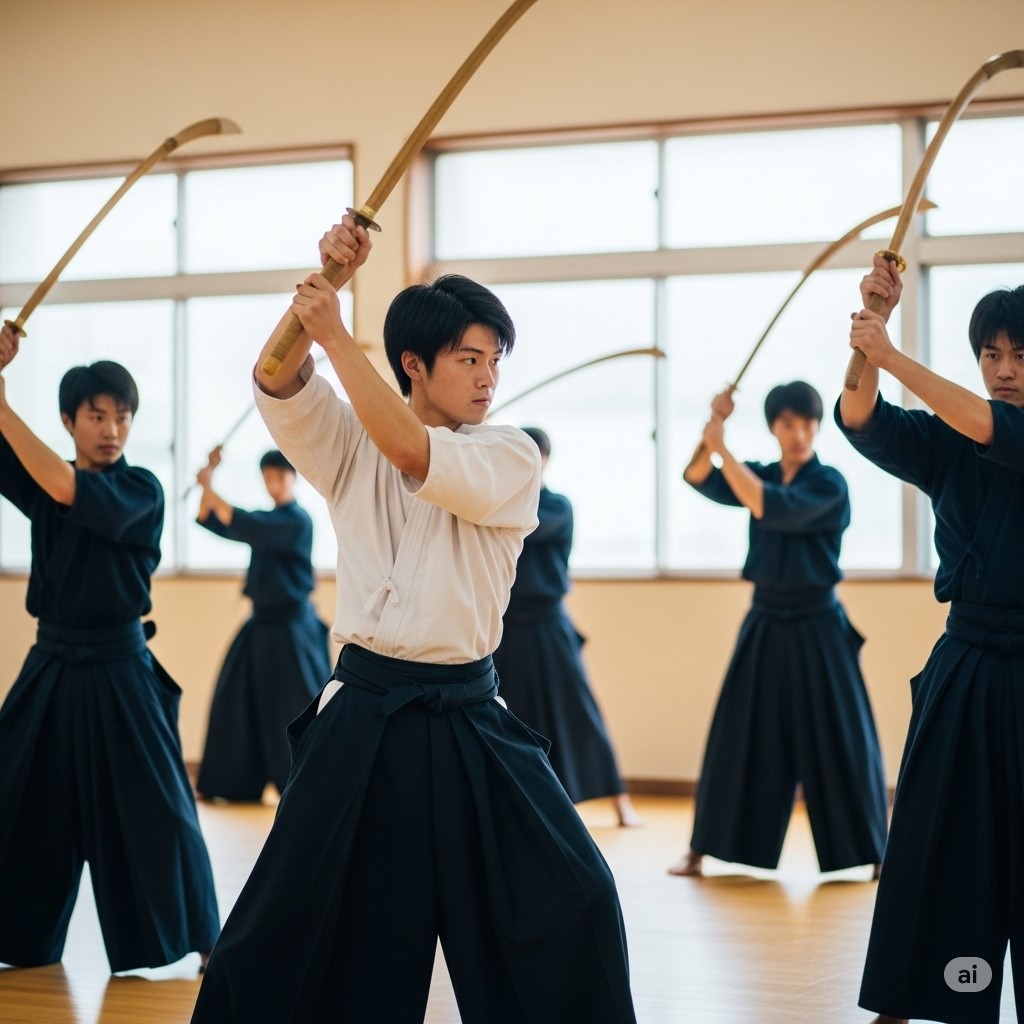
Naginatajutsu: A Deep Dive into the Ancient Martial Art and Its Modern Revival
Naginatajutsu is a traditional Japanese martial art with roots deep in the feudal past. Known for its graceful yet powerful movements, it has gained recognition not only as a historical practice but also as a modern competitive sport. Naginatajutsu involves the use of the naginata, a pole weapon featuring a curved blade at its end. This sport blends precise technique, mental focus, and cultural tradition into a holistic form of training. It offers an immersive experience for practitioners of all ages, genders, and skill levels. Across continents, its presence continues to expand in amateur and professional arenas alike.
Origin and History of Naginatajutsu
The origins of Naginatajutsu date back to Japan’s Heian period (794–1185). During this era, the naginata served as a battlefield weapon. Samurai warriors wielded it on horseback or foot, using its reach to combat swordsmen and cavalry. Later, in the Kamakura period (1185–1333), women of the samurai class adopted the weapon for home defense. Many noblewomen trained in its techniques to protect their households during times of conflict.
Throughout the Muromachi (1336–1573) and Edo periods (1603–1868), Naginatajutsu evolved from a war technique to a method of moral and physical education. Buddhist warrior monks known as sohei also favored the naginata. Their involvement helped develop it into a more structured martial system. As Japan transitioned into peaceful times during the Tokugawa shogunate, martial arts shifted from battlefield necessity to spiritual discipline.
By the 19th century, Naginatajutsu became part of educational curricula in all-girls’ schools. It emphasized etiquette, poise, and discipline. This transformation marked a crucial pivot toward modern Naginatajutsu. With the Meiji Restoration (1868), traditional martial arts experienced decline due to the modernization of the military. However, practitioners kept the tradition alive through dojos and cultural associations.
The 20th century brought revitalization. Organizations such as the All Japan Naginata Federation (AJNF) worked to preserve and adapt the practice. In 1955, modern atarashii naginata was officially recognized. This version emphasized sport-style sparring and codified competition rules, making it suitable for broader public participation.
Global Popularity of Naginatajutsu
Though rooted in Japan, Naginatajutsu has achieved growing global recognition. Interest first spread through cultural exchanges and Japanese diaspora communities. Over time, martial arts enthusiasts began to embrace the discipline for its balance of strength, precision, and history.
Countries like the United States, Brazil, France, and Australia now have active communities. These nations have established national federations affiliated with the International Naginata Federation (INF). Seminars, international championships, and exchange programs help spread awareness and train instructors.
Social media has also played a key role in spreading the sport. YouTube channels and online workshops have introduced its elegance and intensity to global audiences. As a result, many practitioners discover Naginatajutsu without ever visiting Japan.
In Europe, France leads the way in terms of practitioner numbers. The French Naginata Federation actively organizes competitions and promotes the art in schools and clubs. Meanwhile, Brazil has nurtured a passionate base, hosting international events and regional tournaments.
Despite its niche status, the sport continues to grow. Dedicated dojos and federations ensure high-quality instruction and adherence to traditional values. Annual world championships unite competitors from across continents. Each event strengthens bonds within the global martial arts community.
Amateur Naginatajutsu and Youth Participation
Amateur Naginatajutsu provides the foundation for the sport’s continued growth. Training typically begins in community dojos or school clubs. In Japan, it remains a common extracurricular activity, particularly for girls. Students learn not only physical techniques but also core values like discipline, respect, and perseverance.
In other countries, martial arts clubs introduce youth to the sport through beginner-friendly programs. These classes often include warm-ups, basic strikes, footwork, and sparring drills. Safety equipment such as bogu (protective armor) and shinai (bamboo weapons) ensures a secure learning environment.
Youth tournaments play a vital role in keeping the sport vibrant. Events like the Japan National High School Naginata Championship showcase young talent. Similarly, the International Naginata Federation supports youth divisions in global events. These platforms allow students to test their skills and foster international friendships.
Schools and universities in Japan continue to maintain naginata clubs. This institutional support helps create a structured path for long-term practice. As students progress, they can earn dan (ranking) certifications and become instructors themselves.
Parents often appreciate the sport’s blend of physical exercise and character building. The graceful yet powerful movements appeal to both boys and girls. Moreover, children learn valuable cultural and historical knowledge alongside martial techniques.
Volunteer instructors and nonprofit organizations keep the amateur scene strong. Their dedication ensures accessibility regardless of socioeconomic background. Through workshops and outreach programs, these efforts help democratize access to martial arts.
Professional Leagues and Competitions
While Naginatajutsu does not have professional leagues akin to sports like soccer or basketball, it boasts a well-organized competitive structure. The International Naginata Federation oversees global standards and event coordination. Countries with national federations host regional and national championships.
Japan holds the most prestigious events, such as the All Japan Naginata Championships and the Empress’s Cup. These tournaments feature the highest-level practitioners and serve as qualifiers for international competitions. Competitors undergo rigorous training and must pass multiple levels of ranking exams.
In France, the national championship draws significant participation. Top athletes often represent their country in international meets. Brazil also maintains an active competitive circuit, drawing both domestic and visiting practitioners.
The World Naginata Championship, held every four years, is the sport’s biggest stage. It features two main divisions: engi (form competition) and shiai (sparring). Athletes compete individually and in teams, displaying both technical precision and combat effectiveness.
Although financial rewards are modest, top competitors gain prestige and the opportunity to teach abroad. Recognition from federations, medals, and teaching credentials add professional weight to a practitioner’s resume.
Professional-level practice often takes place in elite dojos or under the mentorship of high-ranking sensei. These settings emphasize fine-tuning technique, strategy, and mental fortitude. Instructors may hold ranks as high as 7th or 8th dan, signifying decades of experience and dedication.
Social and Political Significance
Naginatajutsu holds deep cultural significance in Japanese society. Its emphasis on tradition, etiquette, and harmony aligns with broader societal values. It also serves as a symbol of female empowerment. Historically practiced by women of the samurai class, it continues to offer a platform for female athletes in a male-dominated martial arts world.
Politically, the sport functions as a tool of cultural diplomacy. International exchange programs often include martial arts demonstrations. These showcase the beauty and discipline of Japanese culture, building goodwill and mutual understanding.
Schools use it to instill discipline and foster respect among students. In a fast-paced modern world, Naginatajutsu offers a space for introspection, focus, and balance. Its practice encourages mindfulness, resilience, and ethical behavior.
Martial arts festivals frequently feature naginata demonstrations. These events promote intergenerational bonding and community pride. Instructors often volunteer at cultural events, contributing to broader educational missions.
Some governments support Naginatajutsu as part of heritage preservation. Grants and sponsorships fund dojos, tournaments, and international travel. This institutional support further cements its role as both a sport and a cultural ambassador.
Through inclusion, it bridges gaps between genders, age groups, and cultures. As a result, its practice contributes to social cohesion and intercultural dialogue.
Rules and Format of Naginatajutsu
Modern Naginatajutsu follows standardized rules set by the All Japan Naginata Federation and the International Naginata Federation. These rules govern two main competition formats: engi and shiai.
Engi is a choreographed form competition. Pairs of competitors perform prearranged sequences of offensive and defensive techniques. Judges score based on timing, precision, spirit, and coordination. This format emphasizes the aesthetic and technical mastery of movements.
Shiai is a full-contact sparring match. Two athletes face off while wearing protective gear. They aim to score points by striking valid target areas with proper form. These areas include the head, wrists, and torso.
Each match typically lasts three minutes. Competitors win by scoring two clean points before time runs out. In case of a tie, judges determine the winner based on fighting spirit and technique.
Penalties exist for illegal strikes, stepping out of bounds, or unsportsmanlike conduct. Matches require a team of referees to ensure fairness. Athletes bow before and after each bout, reinforcing respect and tradition.
Ranking exams accompany the competitive side of the sport. Practitioners must demonstrate technique, sparring ability, and understanding of etiquette to earn dan levels. These ranks validate a practitioner’s skill and commitment.
Training involves rigorous drills. Practitioners develop strength, speed, and control. Footwork plays a critical role in maintaining distance and delivering accurate strikes. Kata, or forms, are essential for internalizing movements and principles.
Protective gear includes men (helmet), do (chest protector), kote (gloves), and tare (hip guard). Weapons used in sparring are flexible bamboo replicas to minimize injury. Practitioners also use wooden naginata for form practice.
The sport values mental discipline as much as physical prowess. Regular meditation and reflection sessions are common in many dojos. This holistic approach ensures well-rounded development.
Conclusion
Naginatajutsu offers a unique blend of history, athleticism, and cultural richness. From its battlefield origins to its modern sport incarnation, it continues to inspire and challenge practitioners worldwide. It fosters discipline, respect, and global unity. As more people discover its elegance and depth, the community of Naginatajutsu grows stronger each year. Whether practiced for self-improvement, competition, or cultural appreciation, this martial art remains a timeless and powerful tradition.