
The Thrilling World of Nordic Combined Skiing
Nordic Combined Skiing is one of the most challenging and captivating winter sports in the world. This sport blends two highly demanding disciplines: ski jumping and cross-country skiing. Athletes must excel in both to compete successfully. The unique blend of power, precision, and endurance makes Nordic Combined Skiing stand apart. In this blog post, we will explore the origin, global popularity, amateur participation, professional leagues, and social significance of this thrilling sport. We will also examine the rules that govern competition. Nordic Combined Skiing is more than just a sport; it is a test of human limits and resilience.
Origins and Historical Development
The origins of Nordic Combined Skiing trace back to Norway in the 19th century. Military training inspired the early form of the sport. Soldiers combined ski jumping and cross-country skiing as a practical way to navigate snowy terrains. The first known competition took place in 1892 at the Holmenkollen Ski Festival in Oslo. This event laid the foundation for modern Nordic Combined.
Norwegian athletes dominated the early years of the sport. Over time, other countries began to take interest. By the 1924 Winter Olympics in Chamonix, France, Nordic Combined was included as an official event. Since then, the sport has evolved in both format and competitiveness.
Equipment and training methods have also changed dramatically. Athletes now use specialized gear and follow strict training regimens. These advancements have raised performance standards across all levels of competition.
Global Popularity and Participation
Nordic Combined Skiing is popular in countries with cold climates and strong winter sports traditions. Norway, Germany, Austria, and Finland are considered powerhouses. These nations produce world-class athletes and host international events. Japan and the United States also have competitive programs.
In Europe, the sport enjoys a loyal fan base. Thousands attend events such as the FIS Nordic World Ski Championships. Television coverage and online streaming have increased its visibility. The sport has a smaller, yet passionate following in North America and Asia.
Recently, efforts have been made to expand the sport to new regions. The International Ski Federation (FIS) has launched development programs in countries like China and Kazakhstan. These programs aim to build local infrastructure and attract new talent.
Amateur and Youth Participation
Amateur Nordic Combined Skiing has gained popularity among youth and school sports programs. In countries like Norway and Germany, children begin training as early as age six. Clubs offer beginner programs that focus on basic skills and safety.
Schools in winter regions include Nordic skiing as part of physical education. Some even have dedicated winter sports academies. These schools integrate academic learning with athletic training. Young athletes receive coaching from experienced professionals. As they advance, they compete in regional and national events.
In the United States, organizations like USA Nordic promote youth development. They provide grants, equipment, and coaching resources. Their goal is to nurture the next generation of elite athletes. Similarly, Japan and Russia run youth leagues that feed into national teams.
Online platforms also play a role in growing amateur participation. Tutorials, training plans, and virtual competitions are easily accessible. These tools make the sport more inclusive and engaging.
Professional Leagues and Competitions
The top professional league in Nordic Combined Skiing is the FIS Nordic Combined World Cup. This annual series features elite athletes from around the world. Events take place in countries like Germany, Austria, and Norway. Points are awarded based on performance in each event. The athlete with the most points at the end of the season wins the Crystal Globe.
Another key competition is the FIS Nordic World Ski Championships. Held every two years, this event is a highlight of the winter sports calendar. Athletes compete for medals in individual and team events. The Olympics, held every four years, represent the pinnacle of achievement in the sport.
Domestic leagues also support professional development. For example, Germany’s Continental Cup serves as a feeder system for the World Cup. These leagues offer critical experience for rising stars.
In addition, several nations host national championships. These events often serve as qualifiers for international competitions. National governing bodies oversee these championships and manage athlete selection.
Rules and Format of the Sport
Nordic Combined Skiing consists of two main events: ski jumping and cross-country skiing. Athletes must participate in both. The competition usually starts with ski jumping.
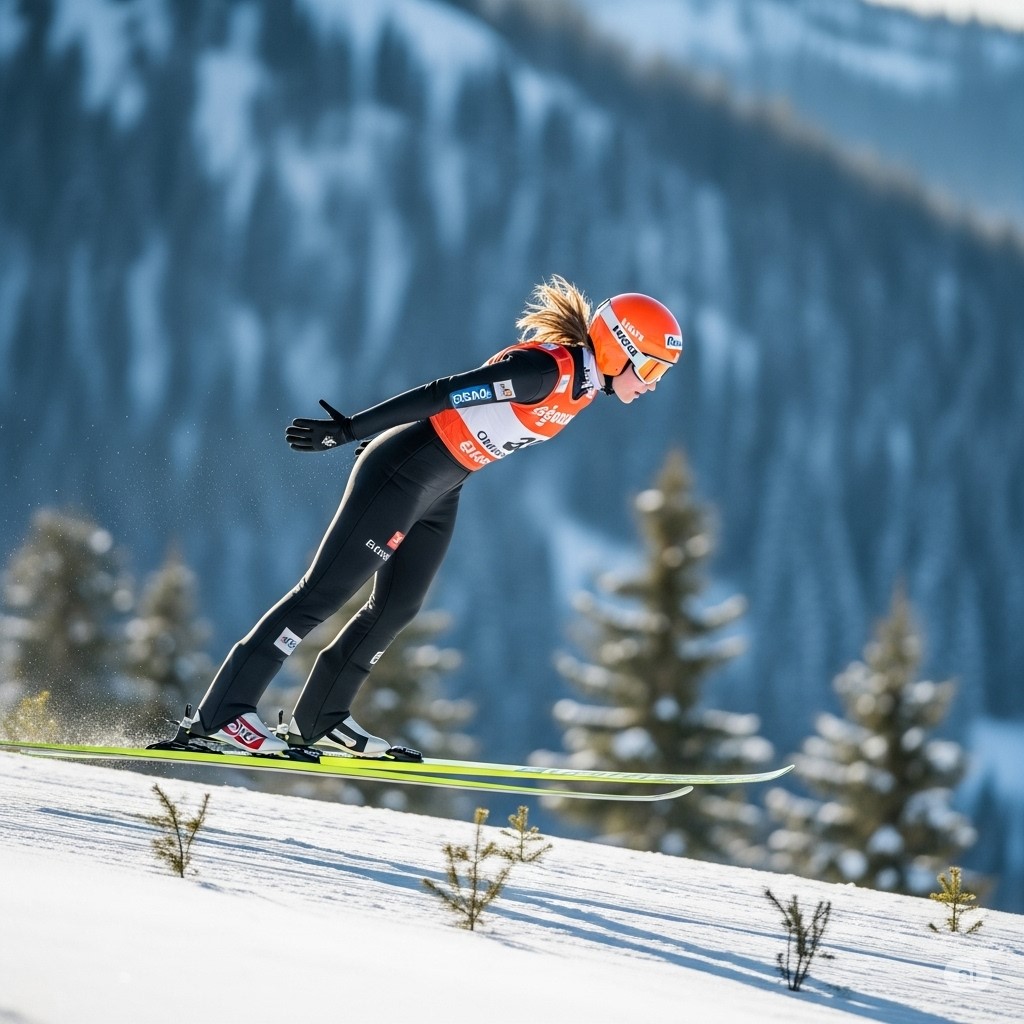
In the ski jumping segment, athletes leap from a large hill. Judges score them based on distance and style. Wind and gate compensation factors are also included in the final score.
The cross-country race follows the Gundersen method. This system converts ski jump scores into start times. The best jumper starts first, followed by others at staggered intervals. The first skier to cross the finish line wins.
Events vary in distance and format. Individual, team, and sprint events are common. Some races include a mass start or multiple jumps.
Athletes must use classic or skate skiing techniques, depending on the rules. Equipment must meet FIS standards. Violations can lead to disqualification.
Weather conditions can impact both segments. Organizers make adjustments to ensure fair play. Safety remains a top priority throughout the competition.
Social and Political Significance
Nordic Combined Skiing holds cultural significance in many countries. In Norway, it is a symbol of national pride. Historical ties to military training give it a sense of heritage.
The sport also promotes values like discipline, perseverance, and teamwork. Communities often rally around local athletes. Their success can inspire young people and unite regions.
Politically, the sport serves as a diplomatic bridge. International competitions foster goodwill and cultural exchange. Countries invest in training facilities and youth programs to boost their global image.
Furthermore, Nordic Combined is part of environmental conversations. Many organizations push for eco-friendly events. These include using renewable energy and preserving natural ski areas.
Gender equity has become an important issue. Historically, Nordic Combined was male-only at the Olympic level. However, women now compete in World Cup and World Championship events. Inclusion efforts are ongoing, and a women’s Olympic event is expected soon.
Conclusion
Nordic Combined Skiing is a sport that blends tradition, athleticism, and modern innovation. Its roots go back over a century, yet it continues to evolve. Countries around the world invest in both amateur and professional levels.
Youth programs ensure the sport’s future. Professional leagues offer athletes a chance to shine on the global stage. Rules are designed to test multiple skills, making it one of the most demanding sports.
Its cultural and political roles add depth beyond competition. Whether in a schoolyard or an Olympic stadium, Nordic Combined Skiing showcases human potential at its finest. The sport deserves recognition and continued support from fans and institutions alike.