
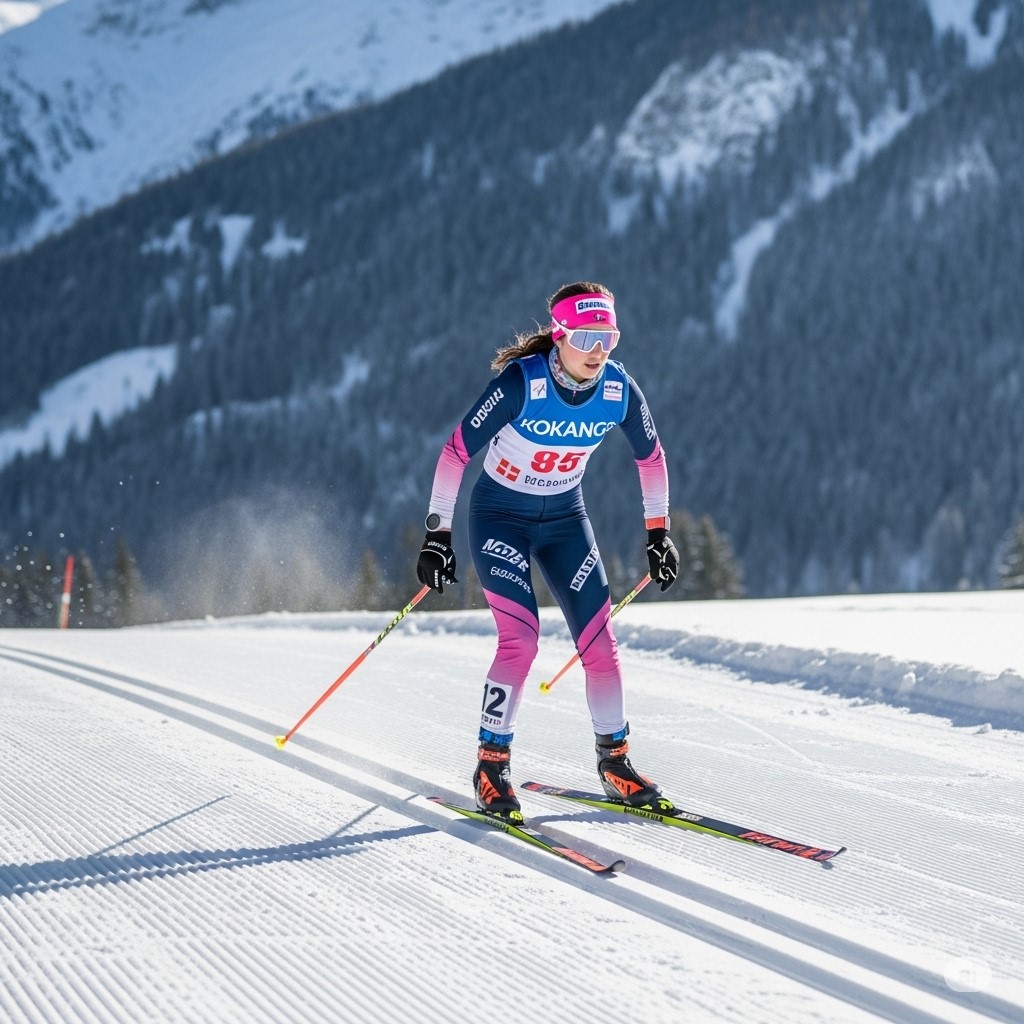
The World of Nordic Skiing: A Deep Dive into Its Past, Present, and Future
Nordic Skiing, a term used to describe cross-country skiing and ski jumping, boasts a rich and complex heritage. Originating in snow-covered regions centuries ago, the sport has evolved from a survival skill into a global competitive phenomenon. Today, Nordic Skiing represents much more than a winter activity. It is a sport that binds communities, celebrates endurance, and fosters international camaraderie. In this blog, we explore the sport in depth: from its historic roots and global presence to amateur scenes and professional leagues. The significance of Nordic Skiing spans beyond competition—it impacts society, politics, and global culture.
Origins and History of Nordic Skiing
The beginnings of Nordic Skiing trace back over 4,000 years. Archaeological findings in Scandinavia reveal cave paintings of hunters on skis. These early skis were essential for traveling across snowy landscapes during harsh winters.
By the Middle Ages, skiing was widely practiced across Scandinavia. Norwegians, in particular, incorporated skiing into military strategy. The Norwegian army used skis during the Battle of Oslo in 1200 AD, demonstrating their tactical advantage.
In the 19th century, the sport began to evolve into organized competition. Sondre Norheim, a Norwegian skier, revolutionized skiing techniques and equipment. His design of curved skis allowed for better control and movement. He is often referred to as the father of modern skiing.
The first known ski race occurred in Norway in 1843. This event laid the foundation for future competitive skiing events. By 1924, Nordic Skiing had secured its place in the inaugural Winter Olympic Games in Chamonix, France.
Over time, the sport branched into various disciplines. Cross-country skiing, ski jumping, and Nordic combined became standard formats. Each format tested different skills—endurance, speed, strength, and flight.
Global Popularity and Geographical Spread
Nordic Skiing enjoys popularity in both cold and mountainous countries. Scandinavia remains the sport’s spiritual home. Norway, Sweden, and Finland consistently produce elite athletes and maintain robust domestic leagues.
Central Europe also contributes significantly. Germany, Austria, and Switzerland host numerous events and boast top-tier training facilities. In Eastern Europe, countries like Russia and Poland have developed competitive Nordic programs.
North America saw the sport gain traction in the early 20th century. Canada and the United States now have growing Nordic Skiing communities. They invest in ski trails, equipment, and youth programs to support the sport.
In Asia, Japan has embraced Nordic Skiing, particularly in Hokkaido. China has recently begun investing in the sport, especially following the Beijing 2022 Winter Olympics.
Southern Hemisphere nations, including Australia and New Zealand, participate in the sport during their winter months. While they lack the long snow seasons of Nordic countries, they compensate with training camps abroad.
Amateur Nordic Skiing Around the World
Amateur Nordic Skiing forms the backbone of the sport. Youth programs, schools, and community clubs ensure the sport remains accessible.
In Scandinavia, most children are introduced to skiing before the age of five. Schools integrate Nordic Skiing into physical education. Community clubs host regular races and training sessions for young athletes.
In North America, the sport is gaining momentum in public schools and universities. States like Minnesota, Vermont, and Alaska run statewide competitions. Many high schools have Nordic teams that compete in regional and national events.
Canada also emphasizes youth engagement. Programs like Jackrabbit Ski League introduce children to the fundamentals of Nordic Skiing. They focus on skill-building, fitness, and fun.
Central European countries offer structured training programs for youth. Austria and Germany run ski schools during the winter season. These schools operate in ski resorts and community centers alike.
In Japan, school-based clubs and university leagues nurture young talent. The country’s consistent participation in international competitions demonstrates the effectiveness of these systems.
Organizations like the International Ski Federation (FIS) provide resources for amateur development globally. They offer grants, coaching support, and infrastructure development to emerging ski nations.
Professional Leagues and Competitions
Professional Nordic Skiing is structured around a variety of global competitions. The FIS oversees most professional events, including the prestigious FIS World Cup.
The World Cup season runs from November to March. Athletes compete in cross-country, ski jumping, and Nordic combined events across multiple countries. The points system crowns overall champions by season’s end.
The Winter Olympics represents the sport’s pinnacle. Held every four years, it gathers the world’s best athletes. Olympic events include distance races, sprint races, relays, and large hill jumps.
The FIS Nordic World Ski Championships occur every two years. This event rotates among host nations and features high-level competition across all disciplines.
In Scandinavia, domestic leagues attract considerable attention. Norway’s Norges Cup and Sweden’s Svenska Cupen serve as talent pipelines for national teams.
Germany’s Continental Cup and Austria’s Alpen Cup offer competitive platforms for rising athletes. These leagues allow skiers to accumulate experience and earn international rankings.
North America hosts the SuperTour and NorAm circuits. These serve as stepping stones to the World Cup. Top performers often qualify for national teams and global events.
Japan runs its own ski jumping and cross-country circuits. With strong government and corporate sponsorships, the country continues to invest in professional Nordic athletes.
Social and Political Significance
Nordic Skiing carries deep cultural value in several regions. In Norway, skiing is more than sport—it is part of national identity. Historical ties to Viking culture and winter survival solidify its importance.
Public funding in Nordic countries supports skiing at all levels. Governments allocate budgets for infrastructure, training, and competition. This approach ensures equal access and national pride.
The sport also contributes to public health. Skiing promotes cardiovascular fitness and mental well-being. Governments encourage participation to reduce healthcare costs and foster community engagement.
On the political stage, hosting international events brings diplomatic benefits. Countries showcase their hospitality, culture, and organization. The 1994 Lillehammer Olympics, for example, bolstered Norway’s global image.
Nordic Skiing also drives tourism in winter regions. Resorts, trails, and events attract visitors, boosting local economies. This economic impact extends to hotels, restaurants, and transportation services.
Socially, the sport bridges generations. Families often ski together, passing traditions down through time. Community races and festivals celebrate shared heritage and outdoor lifestyle.
Environmental awareness is another byproduct. Skiers often become advocates for conservation. They understand the importance of preserving snow-covered landscapes for future generations.
Rules and Structure of Nordic Skiing
Nordic Skiing encompasses multiple disciplines, each with its own rules. The primary disciplines include cross-country skiing, ski jumping, and Nordic combined.
In cross-country skiing, athletes race on groomed trails ranging from 1.5 km to 50 km. Races vary in format: classic, freestyle, individual start, and mass start.
Skiers must stay within marked tracks and follow designated techniques. Classic races require diagonal stride movements. Freestyle allows skating-style propulsion.
Time penalties apply for rule violations. Skis, poles, and wax must meet specific regulations to ensure fairness. Course officials monitor compliance throughout the race.
In ski jumping, athletes descend a ramp and launch into the air. Judges score jumps based on distance and style. Wind and gate compensation factors adjust scores for fairness.
Jumpers must land on a designated hill slope and maintain balance. Falls result in lower scores or disqualification. Equipment standards include ski length and suit design.
Nordic combined merges both disciplines. Athletes first compete in ski jumping. Results determine the start order for a cross-country pursuit race.
The first athlete to cross the finish line wins. This format tests all-around ability and strategic pacing. Combined events highlight the versatility and endurance of elite competitors.
Fair play, sportsmanship, and safety are central to the sport. Athletes receive instruction in rule adherence from early training stages.
Conclusion: The Everlasting Spirit of Nordic Skiing
Nordic Skiing continues to thrive across continents and generations. Its roots in history provide a foundation of pride and tradition. Meanwhile, its modern incarnations push the limits of human endurance and skill.
Youth programs and amateur leagues nurture the next wave of talent. Professional circuits elevate the sport on the world stage. Social and political ties reinforce its relevance in modern society.
From quiet forest trails to Olympic arenas, Nordic Skiing remains a symbol of resilience, community, and passion. Its future looks bright, driven by innovation and global participation. Whether as a lifestyle or a competitive pursuit, Nordic Skiing leaves an indelible mark on all who embrace it.